The Intersection of Technology and Heritage North Korea’s Arirang Smartphone and the Cultural Legacy of a Divided Peninsula
Article Editorial Team
The Democratic People’s Republic of Korea (DPRK) has officially entered the global smartphone discourse with the unveiling of the "Arirang," the nation’s first domestically branded cellular device. Named after the peninsula’s most cherished traditional folk song, the smartphone represents a strategic confluence of modern technology and deep-seated nationalist sentiment. While the device arrives amid a climate of persistent military tension between Pyongyang and Seoul, its branding serves as a poignant reminder of a shared cultural heritage that predates the 1945 division of the Korean Peninsula. The launch highlights the complex relationship between the two Koreas, where technological competition and political posturing often obscure a common history rooted in resistance, identity, and the pursuit of sovereignty.
Technological Aspirations and the Arirang Smartphone
The Arirang smartphone was first introduced to the public following a high-profile visit by North Korean leader Kim Jong-un to the "May 11 Factory." State media reports emphasized the leader’s praise for the "creative ingenuity and patriotic enthusiasm" of the factory workers. According to the Korean Central News Agency (KCNA), the device utilizes a touch-screen interface and features a camera with "high pixels," though specific hardware specifications remain opaque by international standards.
Market analysts and international technology observers have expressed skepticism regarding the indigenous nature of the device’s manufacturing. Evidence suggests the Arirang is likely a rebranded version of a Chinese-made handset, possibly the Uniscope U70, which is then shipped to Pyongyang for final assembly and software installation. Despite these claims, the symbolic value of the phone is paramount for the North Korean regime. By labeling the device "Arirang," the government is attempting to project an image of self-reliance (Juche) and technological parity with the South, home to global electronics giants like Samsung and LG.
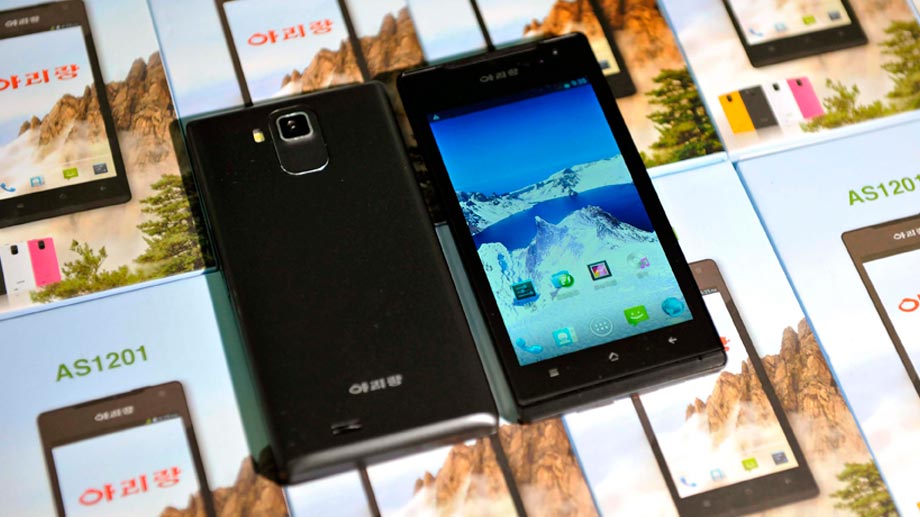
The device operates on a modified version of the Android operating system, tailored to comply with the DPRK’s strict information control policies. It is designed to access the country’s domestic intranet, "Kwangmyong," rather than the global internet, ensuring that while citizens gain access to modern hardware, the state maintains its grip on the flow of data.
The Cultural Significance of the Arirang Folk Song
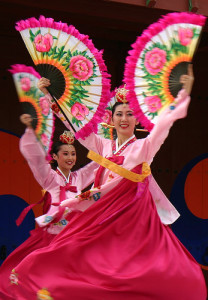
To understand the weight of the name "Arirang" is to understand the soul of the Korean people. The song is not merely a piece of music; it is an unofficial national anthem that resonates across the 38th parallel. In 2012, following concerted efforts by the Republic of Korea (ROK) government, "Arirang" was inscribed on UNESCO’s Representative List of the Intangible Cultural Heritage of Humanity.
Musically, the song is characterized by its simplicity. It typically utilizes a pentatonic scale and a triple meter, making it easily accessible for communal singing. Lyrically, the song is often ambiguous. While it is generally understood to describe a protagonist crossing "Arirang Pass" after being abandoned by a lover, many scholars argue that the lyrics are nonsensical or serve as a vessel for various emotional states. The "Arirang Pass" itself is more of a metaphorical threshold of sorrow and longing than a specific geographical location.
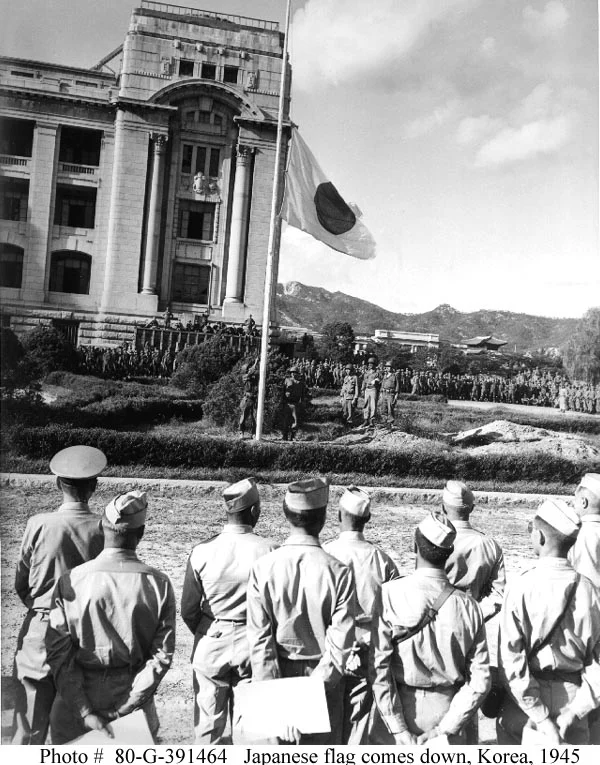
The song’s origins are a subject of historical debate, with estimates of its inception ranging from the Silla Dynasty (57 BCE – 935 CE) to the late Joseon period in the 19th century. However, its ascent to a position of national prominence occurred during the Japanese colonial occupation (1910–1945). During this era, "Arirang" evolved into a song of resistance. It became a sonic repository for the collective "Han"—a uniquely Korean concept of internalized grief, resentment, and hope. By singing "Arirang," Koreans under colonial rule could express their national identity and their yearning for liberation in a way that often bypassed Japanese censorship.

A Chronology of Conflict and Cultural Exchange
The history of the Korean Peninsula in the 20th century is defined by external aggression and internal division, a timeline that informs the current state of both technology and art in the region:
- 1910–1945: The Japanese Empire annexes Korea, leading to decades of forced labor, cultural suppression, and the mobilization of "comfort women." "Arirang" becomes a symbol of the independence movement.
- 1931: Paradoxically, "Arirang" becomes a massive pop hit in mainland Japan. Japanese audiences, drawn to a perceived "melancholy" in Korean culture, embrace the song as an expression of nostalgia for a simpler, pre-industrial past.
- 1945: Following Japan’s surrender in World War II, the peninsula is divided into Soviet and American zones of influence.
- 1950–1953: The Korean War devastates the region, resulting in a permanent division and a heavily fortified Demilitarized Zone (DMZ).
- 1960s–1990s: South Korea undergoes the "Miracle on the Han River," transforming from a war-torn agrarian society into a global technological powerhouse.
- 2012: UNESCO recognizes "Arirang" as a world cultural heritage.
- 2013: North Korea launches the Arirang smartphone, signaling a new era of digital nationalism.
The Paradox of Regional Consumption
The contemporary landscape of East Asian relations is marked by a striking dichotomy: intense political and economic friction existing alongside a deep, often covert, appreciation for shared cultural products. In the South, the "Hallyu" or Korean Wave has seen K-Pop and K-Dramas dominate regional markets, including Japan. Despite diplomatic disputes over the Liancourt Rocks (known as Dokdo in Korea and Takeshima in Japan) and historical grievances regarding the colonial period, Japanese consumers remain some of the most prolific supporters of South Korean entertainment.
A similar phenomenon is observable in the North. Despite the regime’s efforts to block "decadent" foreign influences, South Korean media is smuggled across the Chinese border on USB drives and DVDs. Reports suggest that K-Dramas are immensely popular among the North Korean populace, providing a window into the lifestyle and prosperity of their southern neighbors. Even the North Korean state has attempted to emulate this success, developing its own domestic pop groups, such as the Moranbong Band, which utilizes Western-style instrumentation and performance aesthetics while maintaining strictly ideological lyrics.
Official Responses and Global Skepticism
The international community has viewed the launch of the Arirang smartphone with a mixture of curiosity and caution. Human rights organizations have noted that while the smartphone represents a step forward in hardware accessibility, it also provides the North Korean government with a more sophisticated tool for surveillance. Modern smartphones allow for the tracking of locations and the monitoring of communications, capabilities that are highly valuable to a state that prioritizes internal security.
South Korean officials have generally refrained from formal criticism of the device’s name, recognizing that "Arirang" belongs to the entire Korean people. However, tech analysts in Seoul have pointed out the vast disparity between the Arirang’s capabilities and those of the latest Samsung Galaxy or iPhone models. They argue that the Arirang is less an attempt to compete in the global market and more a domestic propaganda tool designed to convince the North Korean public that their nation remains at the cutting edge of the digital revolution.
Broader Impact and Implications
The naming of a smartphone after a folk song may seem like a minor footnote in the history of the Korean conflict, but it reflects a significant psychological reality. For the North, the Arirang smartphone is an assertion of modern identity. It is an attempt to prove that the DPRK can participate in the 21st-century digital economy without sacrificing its unique cultural character or political system.
For the broader region, the "Arirang" phenomenon illustrates that culture often moves faster and more fluidly than politics. The song "Arirang" survived the fall of dynasties, the brutality of colonization, and the fires of a civil war. It has been sung by laborers, revolutionaries, and now, it serves as the brand for a smartphone in one of the world’s most isolated nations.
The enduring power of "Arirang" suggests that there is a foundational "Koreanness" that remains intact despite decades of divergent political evolution. While the North and South may disagree on governance, economics, and international alliances, they continue to draw from the same well of historical memory. As technology continues to bridge gaps in communication—even within the constraints of the DPRK—the shared aesthetic of the Korean people may eventually play a role in de-escalating tensions. The Arirang smartphone, for all its technical limitations and political baggage, stands as a testament to a culture that refuses to be erased by time, borders, or ideology.
Related News