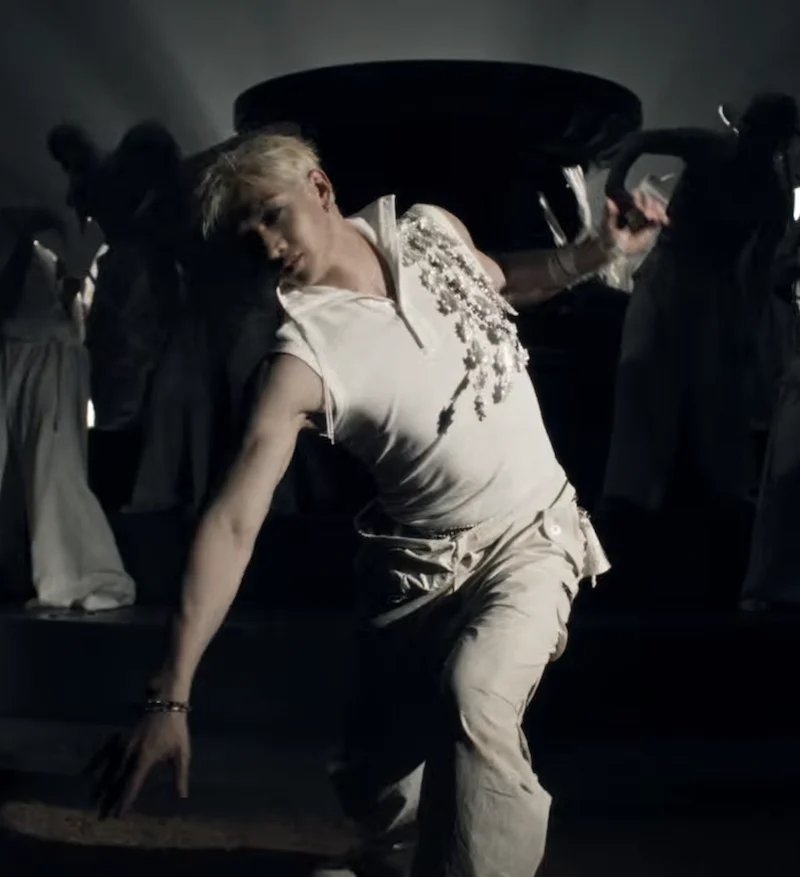
The past month has marked a significant period for artistic experimentation and bold statements within the competitive K-pop landscape. A diverse array of artists, from established groups to promising rookies, unveiled releases characterized by their audacious musical, visual, and conceptual choices. These works, many showcasing deep artist involvement in lyrical and compositional aspects, collectively signal a vibrant push against conventional boundaries, demonstrating a clear commitment to creative autonomy and genre innovation. This exploration delves into the striking debuts and comebacks that have captivated audiences and critics alike, examining their underlying artistic philosophies and broader implications for the industry.
The Evolving Landscape of K-Pop Innovation
The global phenomenon of K-pop has consistently demonstrated its capacity for evolution, absorbing and reinterpreting global music trends while retaining its distinct identity. Recent years have seen a noticeable acceleration in artists’ creative control, with an increasing number of idols participating actively in the songwriting and production processes. This shift, driven by a desire for greater authenticity and a deeper connection with their fanbase, has fostered an environment ripe for experimentation. The releases under review exemplify this trend, showcasing a deliberate move away from formulaic approaches towards more personalized and daring artistic expressions.
This era of heightened creative input has also coincided with K-pop’s further genre diversification. While traditionally rooted in pop, dance, and R&B, the industry has increasingly embraced elements of hip-hop, rock, EDM, and more recently, niche genres like hyperpop and PC music. This willingness to blend and redefine genres not only keeps K-pop at the forefront of global music trends but also provides a fertile ground for artists to forge unique sonic identities.
Subunit Synergy and Genre Exploration: V8’s Hyperpop Revelation
Among the most talked-about releases was the subunit debut of V8, comprising Seventeen members Vernon and The8, with their track "Singasong." This collaboration immediately stood out as one of Seventeen’s most adventurous undertakings since the group began strategically forming duos and subunits. The foundation for V8’s distinct artistic synergy was previously laid in The8’s atmospheric, genre-blending Chinese EP, Stardust, where Vernon’s participation offered a glimpse into their compatible creative visions. Now officially recognized as a subunit, V8 has leveraged this understanding to craft a sound deeply rooted in Vernon’s known affection for hyperpop and The8’s sophisticated taste in EDM, honed through his side endeavors as a DJ.
"Singasong," co-written with acclaimed German electronic producer Mechatok, is a whimsical journey into the realm of PC music. Its instrumental backbone is characterized by looping, glitchy synth patterns that evoke a playful, almost digital aesthetic. The vocal interplay between Vernon’s deep, resonant tone and The8’s airy, ethereal delivery creates a compelling contrast that nonetheless harmonizes perfectly within the track’s intricate mix. This seamless blend suggests a project born from genuine artistic passion, a refreshing departure from releases that might feel less organically conceived. The track’s commitment to a specific, albeit niche, aesthetic feels authentic, resonating with a growing segment of the K-pop audience that values artistic integrity and unique sonic signatures.

Lyrically, "Singasong" maintains its playful demeanor, referencing iconic video game characters such as Pikachu and Megatron in its chorus, further cementing its digital-age, lighthearted identity. The accompanying music video is a visual feast that extends this theme, depicting V8 oscillating between playing games and existing within a game world. The cinematography masterfully employs strategic zooms and match cuts, alongside vibrant bursts of hot pink, to create a frenetic yet cohesive visual narrative. Elements ranging from "Dance Dance Revolution" sequences and elaborate actual dance breaks to a whimsical pillow fight, a demolition derby, and the symbolic smashing of Hangul lettering like a piñata, all contribute to an off-kilter energy. The result is a music video that is intensely dynamic and playfully chaotic without ever becoming overwhelming, embodying the rip-roaring energy and artistic freedom that V8 seemingly embraced with this project. This release not only solidifies V8’s unique artistic space but also encourages established groups to utilize subunits as platforms for genre exploration and individual member expression.
Consistent Vision and Theatrical Narratives: ONF’s "Open the Door"
In contrast to groups exploring new sonic territories, ONF has consistently championed a distinctive, theatrical style throughout their career, largely impervious to fleeting industry trends. Their latest offering, "Open the Door," marks a pivotal moment as their first release under a new label, while also signaling a reunion with their long-time main producer, Hwang Hyun. This track immediately resonates with the introspective subject matter and dramatic storytelling that characterized previous ONF releases, such as 2024’s "Bye My Monster," solidifying their reputation for conceptual depth.
"Open the Door" and its accompanying music video craft a potent metaphor of confinement and liberation. The narrative centers on an enclosed room where, as Minkyun articulates in the opening verse, the distinction between day and night has blurred. Each member is depicted trapped within a personal space, afflicted by a unique "nightmarish" feature—be it pervasive surveillance cameras, menacing overgrown branches, or a looming, giant shadowy figure. The lyrics reveal that this physical entrapment symbolizes a deeper, internal struggle: "the familiar space inside my heart," confirming the room as a representation of personal demons and psychological states.
The song meticulously dramatizes the arduous decision to break free from this internal prison. The chorus captures this profound contemplation: "What will become of me once I open that door? / Whether it is the next world or a deep abyss, I do not know." Structurally, the composition masterfully builds courage, reflecting the emotional journey of confronting the unknown. This dramatic escalation is achieved not only through a compelling bridge but also an evocative classical post-bridge interlude delivered in Latin, featuring the poignant line, "Lux in cordibus fortius lucet" (light shines more strongly in the heart). The final chorus erupts with fast-paced percussion, a soaring wailing guitar, and layered harmonies, culminating in a triumphant sense of overcoming.
Visually, the music video concludes with an overhead shot of a circular room filled with numerous doors, one of which opens to reveal a radiant light. Crucially, the MV refrains from fully exposing what lies beyond the door, emphasizing that the true victory resides in the courageous act of taking steps towards change. "Open the Door" serves as a powerful testament to ONF’s unique strength: delivering profound emotional storytelling through intricately structured songs, rich vocal arrangements, and compelling dramatic visuals. Their consistent artistic vision, even amidst label transitions, underscores the enduring appeal of authenticity in a rapidly changing industry.
Bold Debuts and Strategic Marketing: Heart of Woman’s "Skit.exe"
The debut of Heart of Woman (H.O.W) at the end of May with the retro-sounding "Lost in Proof" largely flew under the radar for many, though leader Jihyun might have been familiar to viewers of R U Next. However, H.O.W swiftly distinguished themselves not only through their appealing pop-R&B sound but also by making an almost unprecedented move in the K-pop industry: debuting with a full-length album comprising eleven tracks. This stands in stark contrast to the common practice of launching with single albums or mini-albums, immediately signaling a profound commitment to their artistry. Following their main title track, the group strategically rolled out three music videos for B-sides, including one for a mere 90-second interlude titled "Skit.exe."

The surprise release of the MV for "Skit.exe" after "Lost in Proof" prompted questions regarding its purpose. Why invest in a full music video for a track that consists only of an intro, a single verse, a pre-chorus, and a chorus? The answer lies in its strategic utility as a vocal showcase and a clever marketing tactic. "Skit.exe" deftly highlights the members’ vocal prowess, from Ayne’s soulful opening runs to the group’s tightly layered harmonies, particularly evident in the confident declaration, "I’ll make it sound so good." Despite its brevity, the song also incorporates intriguing production choices, such as a deliberate slowing tempo and scratching effects leading into the chorus, adding a layer of sonic sophistication. As a standalone release, "Skit.exe" masterfully creates a sense of anticipation, leaving the audience yearning for more and subtly prompting them to explore the full album—a savvy move in an industry often focused on immediate gratification.
The accompanying music video cleverly acknowledges this marketing strategy by depicting the members on a mission to disseminate the enigmatic message "H.O.W?" across a city. This is achieved through both conventional means, like plastering stickers on walls, and fantastical elements, such as the letters materializing in pink clouds against the sky. Heart of Woman’s debut thus openly expresses their ambition and demonstrates a willingness to make attention-grabbing choices without compromising their musical integrity. Their strategic and musically rich approach positions them as one of the most promising debuts of the year, challenging established debut norms and advocating for a more comprehensive artistic introduction.
Global Ambition and Cultural Pride: Stray Kids’ "Run It"
Stray Kids, a group synonymous with ambition and self-produced anthems, delivered "Run It" as a pre-release single for their forthcoming album and world tour. More than just a promotional tool, the track stands powerfully on its own, showcasing a refreshing deviation from their typical single structure while remaining undeniably anthemic. Unlike many of their title tracks that often launch with explosive rap verses, "Run It" opens with low brass and relatively restrained verses, gradually building momentum towards a rousing rap outro, highlighted by the dynamic exchange between Changbin and Han. This nuanced structural approach demonstrates the group’s evolving musicality and willingness to experiment with their established sound.
Composed by their in-house production unit 3Racha, "Run It" narrates Stray Kids’ arduous journey, emphasizing their unwavering perseverance through struggles to achieve immense global success. While themes of adversity and ambition are familiar territory for the group, "Run It" imbues these concepts with heightened intensity through its compelling music video. The visual narrative employs symbolic elements to reflect both their challenges and aspirations. Dancers clad in contrasting black and white suggest the duality of light and dark inherent in their path. Poignant scenes include I.N painting the floor with hands covered in black ink, symbolizing struggle and creation, and Felix engaging in a powerful taekwondo battle with himself, an evocative representation of inner conflict.
Crucially, these images are infused with distinctly Korean cultural references, drawing parallels to traditional calligraphy, martial arts, and national symbols. Early scenes depict Bang Chan and Seungmin crawling powerfully like tigers, a revered national symbol of Korea, suggesting strength and guardianship. These cultural integrations imply that Stray Kids not only possess deep pride in their heritage but also assert themselves as a source of national pride on the global stage. In the powerful outro, Han declares, "Our story will remain history," a bold statement that frames Stray Kids’ remarkable ascent to global stardom as an integral part of Korea’s contemporary legacy. The sheer grandeur and confident execution of "Run It" make this ambitious claim feel not just attainable, but already in motion, further cementing Stray Kids’ status as global cultural ambassadors.
Pushing Boundaries and Societal Commentary: Meovv’s "Ddi Do Ri"
The month’s most significant artistic gamble came from the debut of Meovv with their track "Ddi Do Ri." On paper, the song appears to tread familiar ground for producer Teddy: a confident "flex song" underpinned by a classical sample (Johann Sebastian Bach’s "Toccata and Fugue in D Minor") over a driving bassline. However, "Ddi Do Ri" introduces several unique, albeit divisive, elements. The title itself, an onomatopoeic phrase signifying an unexpected or awkward occurrence, immediately sets a peculiar tone. Furthermore, the use of Bach’s iconic pipe organ chords evokes associations with 1930s horror cinema, particularly Dracula, which now carry a distinct campy quality. Consequently, some critics have labeled "Ddi Do Ri" as overly "meme-like," leading to Meovv reportedly removing the phrase from some live performances. The integration of the classical Bach sample with modern trap beats also sparked debate regarding its musical cohesion.

Despite the mixed reception for the song itself, the accompanying music video is unequivocally one of the most creatively ambitious and beautifully unsettling releases of the year, rich with layers of interpretation. Filmed at 60 frames per second, the video achieves a hyper-realistic aesthetic that borders on the uncanny, a deliberate choice by director Rima Yoon who aimed to create an "AI-like texture" without relying on actual artificial intelligence. Yoon subtly plays with questions of authenticity, opening the video with an AI prompt for a "gothic-medieval interior set," and later interspersing scenes with loaves of bread bearing the question, "Is this real?"
Beyond a commentary on artificial intelligence, "Ddi Do Ri" powerfully functions as a statement on women’s beauty standards, particularly within the idol industry. The music video is strategically divided into four chapters, with the second, "Perfected to Be Loved," being particularly poignant. In this section, the Meovv members are shown engaging in stair climber exercises, with screen messages like "Repeat Until Perfection" starkly illustrating the immense pressures they face. The first drop to the chorus reveals the members in makeup and lighting that gives their skin a remarkably shiny, almost plastic-like appearance. This visual metaphor critiques how some women resort to cosmetic enhancements in their pursuit of an idealized perfection. However, the subsequent chapter, "Doubt Takes Shape," exposes the harsh reality that these efforts to conform to societal beauty standards often lead to increased scrutiny and criticism.
The fourth section, "Branded a Witch," ventures into darker territory, suggesting the historical and ongoing consequences for women who defy societal norms, portraying a metaphorical witch hunt. The explosive, percussive outro, featuring red-clad dancers moving frantically like crackling flames, alludes to the historical burning of women at the stake. Yet, Meovv ultimately evades this grim fate, instead dancing defiantly in front of the fire, concluding the music video on a powerful note of female empowerment. With "Ddi Do Ri" and its array of risky artistic choices, Meovv unequivocally demonstrates their willingness to challenge expectations and engage with complex social themes from the very outset of their career, even if they cannot entirely escape the inherent criticisms that such bold moves sometimes invite.
The Future of K-Pop’s Artistic Frontier
The collection of releases from the past month underscores a compelling narrative within the K-pop industry: a fervent pursuit of artistic authenticity and innovation. From V8’s genre-bending hyperpop experiment to ONF’s consistent, theatrical storytelling, Heart of Woman’s unconventional debut strategy, Stray Kids’ culturally resonant anthems, and Meovv’s thought-provoking social commentary, each act has contributed to pushing the boundaries of what K-pop can be, both musically and conceptually.
These artists’ deep involvement in the creative process, from lyrics to composition, not only enriches their output but also fosters a deeper connection with a global audience that increasingly values genuine artistic expression. This period of bold choices signals a vibrant and evolving future for the genre, one where creative risks are increasingly rewarded, and authenticity and innovation continue to drive its global appeal. As K-pop matures, its artists are not merely following trends but actively shaping them, solidifying the industry’s reputation as a dynamic and artistically daring force in the global music scene.