
The global ascent of South Korean popular music, commonly known as K-pop, has transformed from a regional cultural export into a multi-billion-dollar global industry. Central to this phenomenon is the unique and intensive nature of its fandom. Unlike traditional music consumption, K-pop engagement often follows a structured psychological and behavioral trajectory. Industry analysts and sociologists have identified a recurring pattern in how individuals transition from casual observers to dedicated participants within these digital and physical communities. This evolution is characterized by specific milestones, ranging from initial cultural friction to the eventual integration of the subculture into one’s long-term identity.
The Catalyst of Cultural Discovery: The Introductory Stage
The entry point into the K-pop ecosystem is frequently marked by a phenomenon known as "sensory overload." For many uninitiated listeners, particularly those in Western markets or regions where domestic pop music adheres to more conservative production standards, the first encounter with a K-pop music video can be jarring. This stage is defined by an exposure to high-octane visuals, intricate choreography, and a blend of musical genres—often within a single track.
Historically, tracks like Girls’ Generation’s "I Got a Boy" served as a primary example of this introductory friction. Upon its 2013 release, the song was noted for its abrupt tempo changes and experimental structure, which initially polarized new listeners. Sociological observations suggest that the "neon box sets" and gender-fluid aesthetic choices of many male idols create an "otherworldly" impression that can initially repel or confuse the viewer. During this phase, many potential fans dismiss the genre as "gimmicky" or "manufactured," a common criticism cited by music critics in the early 2010s. However, this initial resistance often serves as the precursor to a deeper curiosity.
The Investigative Phase: The Role of Digital Algorithms
The transition from confusion to investigation is largely facilitated by the sophisticated algorithms of digital platforms such as YouTube, TikTok, and Spotify. In what is termed the "Investigative Stage," the individual begins to revisit the content that initially caused confusion. This phase is characterized by a "search for fairness," where the listener attempts to understand the appeal that has garnered millions of views and a dedicated global following.
Data from social media monitoring firms indicates that once a user engages with a single K-pop video, the likelihood of being served related content increases exponentially. This "rabbit hole" effect leads the investigator to discover the diversity within the genre. They may find that while one group utilizes a "bubblegum pop" aesthetic, another—such as B.A.P or early BTS—employs a "hip-hop" or "rebellion" concept. This realization that K-pop is not a monolith is a critical turning point. The investigative fan begins to differentiate between members, learning names and roles, which sets the stage for emotional investment.

The Deep Dive: Parasocial Relationships and the Obsessive Stage
The "Obsessive Stage" represents the most intense period of fan engagement. It is here that the concept of the "bias"—a fan’s favorite member—and the "bias wrecker"—a member who threatens that favoritism—emerges. This period is marked by the development of parasocial relationships, a psychological state where a fan feels a deep, one-sided emotional connection with an idol.
During this stage, fan behavior shifts from passive consumption to active participation. This includes:
- Time Allocation: Fans may spend several hours a day monitoring social media updates on platforms like X (formerly Twitter), Weverse, or Instagram.
- Information Saturation: The acquisition of "useless" knowledge, such as an idol’s blood type, favorite foods, or childhood anecdotes.
- Evangelism: Attempting to "convert" friends and family by subjecting them to music video marathons.
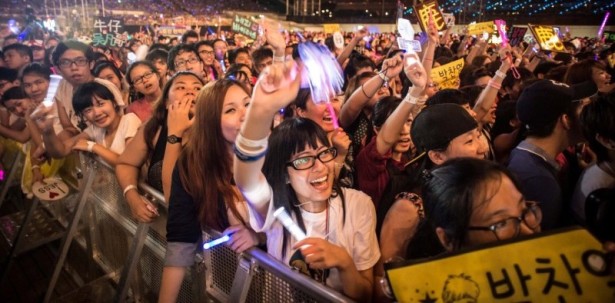
This stage is economically vital for the K-pop industry. According to reports from the "Big Four" entertainment agencies (HYBE, SM, JYP, and YG Entertainment), "power fans" in this stage are responsible for the majority of album sales, concert tickets, and merchandise revenue. The emotional intensity of this stage is often what drives the competitive nature of fandoms, leading to "fan wars" where devotees defend their chosen groups against perceived slights or competition.

Cognitive Dissonance and the Denial Stage
As the obsession deepens, many fans enter a "Denial Stage," where they refuse to acknowledge the impact of their hobby on their professional or personal lives. This phase is characterized by a prioritization of digital fandom activities over real-world responsibilities. For instance, a fan might stay up until 4:00 AM to watch a livestream from Seoul despite having a work or school commitment a few hours later.
Psychologically, this is a form of escapism. The rhythmic consistency of K-pop content—regular "comebacks," daily social media posts, and variety show appearances—provides a sense of stability and community that may be lacking in the fan’s offline life. When confronted by peers or family about the "addiction," the fan often retreats further into the community, finding solace in the shared experiences of other fans who are also listening to "Ring Ding Dong" for the hundredth time.
Crisis of Engagement: Acknowledgement and Rehabilitation
Eventually, the sustainability of the obsessive stage is challenged by the realities of life. The "Acknowledgement Stage" occurs when the fan can no longer ignore the negative consequences of their hyper-fixation, such as academic decline, sleep deprivation, or social isolation. This realization often coincides with "fandom fatigue," a state of exhaustion caused by the constant need to stream music, vote in awards ceremonies, and keep up with the relentless pace of the industry.

This leads to the "Rehabilitation Stage," or what is commonly known in the community as a "semi-hiatus." Fans may delete social media apps, stop following news updates, and attempt to return to their previous musical interests. This period is essential for mental health, allowing the individual to recalibrate their relationship with the media they consume. It is a transition from being "consumed by" the fandom to "consuming" the music.
The Cycle of Recurrence: Relapse and the Power of the "Comeback"
The K-pop industry is uniquely designed to prevent permanent exits. The "Relapse Stage" is often triggered by a "comeback"—the release of new music and a new visual concept by a favorite group. The psychological "guilt" of having missed a major milestone, such as a "Daesang" (Grand Prize) win or a successful world tour, often pulls the fan back into the fold.
Industry experts note that the "comeback" system is a masterclass in re-engagement marketing. By changing the aesthetic and musical direction with every release, agencies ensure that the content remains fresh, making it difficult for dormant fans to stay away. The "relapsed" fan often returns with even greater intensity, attempting to "make up for lost time" by increasing their engagement levels.

Long-Term Integration: The Balanced Stage vs. The Renouncement
The final phase of the fandom lifecycle typically results in one of two outcomes: a "Balanced Stage" or "The Renouncement."
The Balanced Stage
The majority of long-term fans eventually reach a state of equilibrium. They acknowledge that K-pop is a significant part of their lives but no longer allow it to dictate their schedule or mental well-being. They can enjoy a new music video or attend a concert without the "all-or-nothing" mentality of the obsessive stage. This "middle path" allows for a sustainable, multi-year engagement with the genre, turning K-pop from a temporary obsession into a lifelong hobby.
The Renouncement
Conversely, some fans undergo a complete "Renouncement." This can be caused by several factors:

- Natural Attrition: The individual simply outgrows the interests of their youth.
- Disillusionment: Scandals involving idols or mismanagement by agencies can shatter the parasocial bond, leading to a loss of interest.
- Group Dissolution: When a favorite group disbands or members leave, the primary motivation for following the industry may vanish.
Broader Implications for the Music Industry
The stages of K-pop fandom provide a blueprint for the future of global music engagement. Western artists have increasingly adopted K-pop-style fan engagement strategies, such as collectible physical albums, intensive social media interaction, and the fostering of distinct fandom identities (e.g., Swifties, Beyhive).
From a journalistic and economic perspective, the K-pop fandom lifecycle demonstrates the power of "community-as-a-service." The industry does not just sell music; it sells a sense of belonging and a structured path of emotional evolution. While the intensity of these stages can lead to burnout, the overall impact has been the creation of one of the most resilient and loyal consumer bases in modern history. As long as the industry continues to innovate, the cycle of discovery, obsession, and eventual balance will continue to define the lives of millions of fans worldwide.