The Modest Now x Muslimi Show Makes History as the First Modest Fashion Event at New York Fashion Week
Article Editorial Team
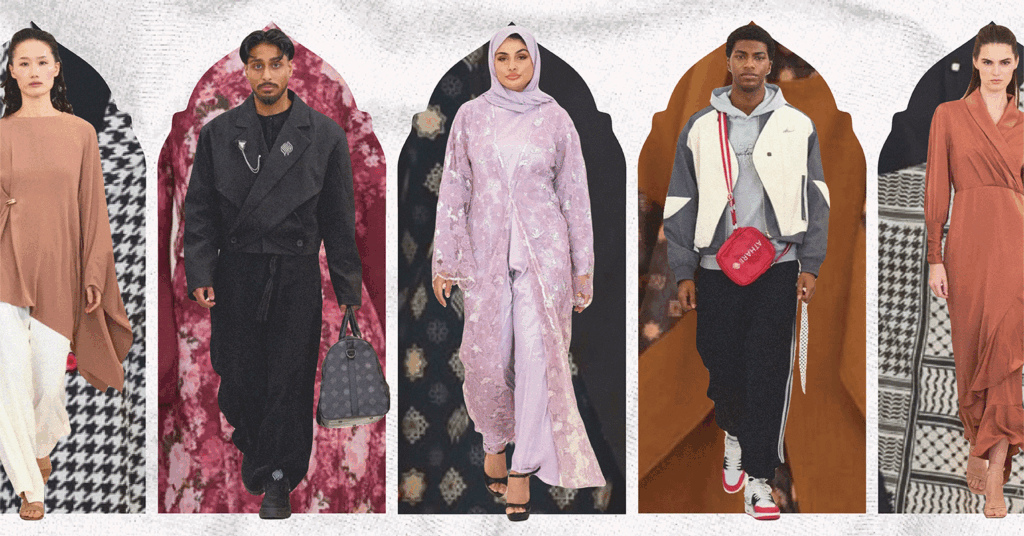
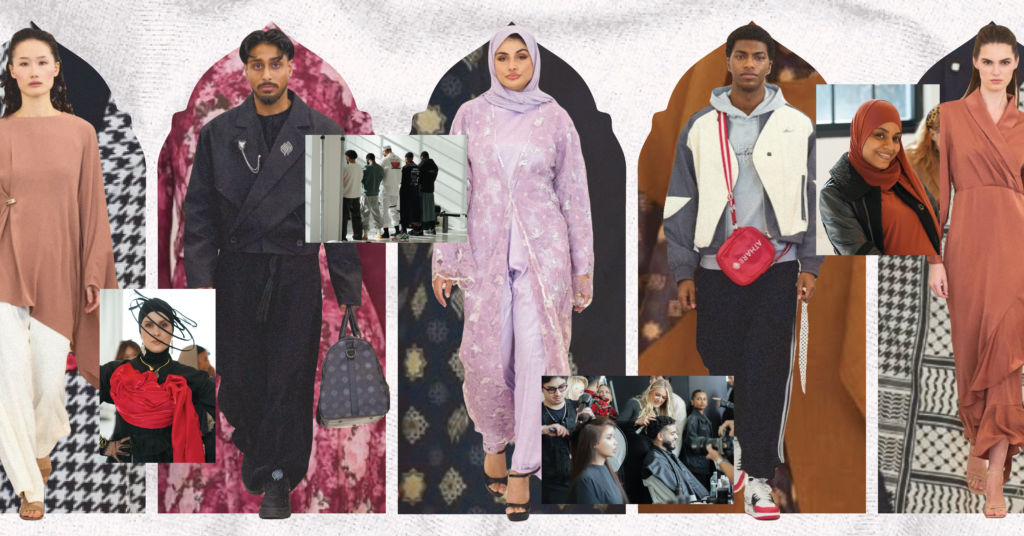
Beneath the vibrant, yet often intense, atmosphere of New York Fashion Week (NYFW), a unique tapestry of cultural and religious expression unfolded on February 14th. For the first time in its illustrious history, NYFW played host to a dedicated modest fashion show, a groundbreaking event co-presented by Modest Now and Muslimi. This pivotal moment, sponsored by Muslimi, a foundation committed to supporting and empowering Muslim communities across the United States, aimed to elevate Muslim designers and provide them with a crucial platform to showcase their artistry. In a fashion industry that has historically grappled with inclusivity, this event sought to forge a future where faith and fashion not only coexist but flourish, one meticulously crafted garment at a time. The air backstage was a testament to this inclusive spirit, with kufis, hijabs, and abayas seamlessly blending with more conventional attire, and greetings of "salaam, how have you been?" mingling with familiar "hey girl hey."
A Pioneering Runway: Making a Modest Statement
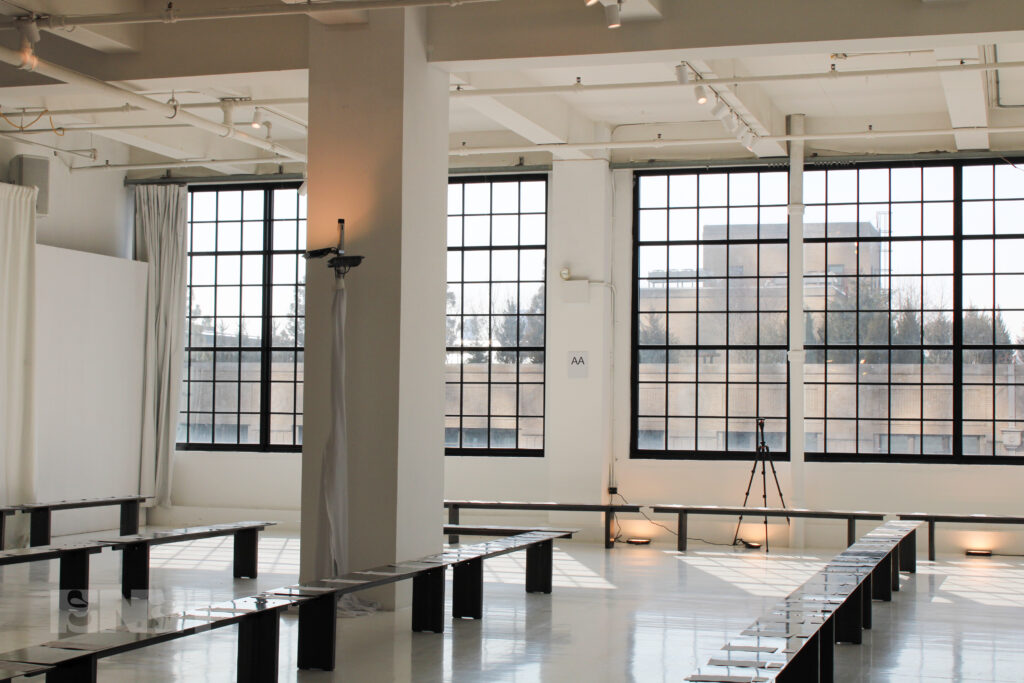
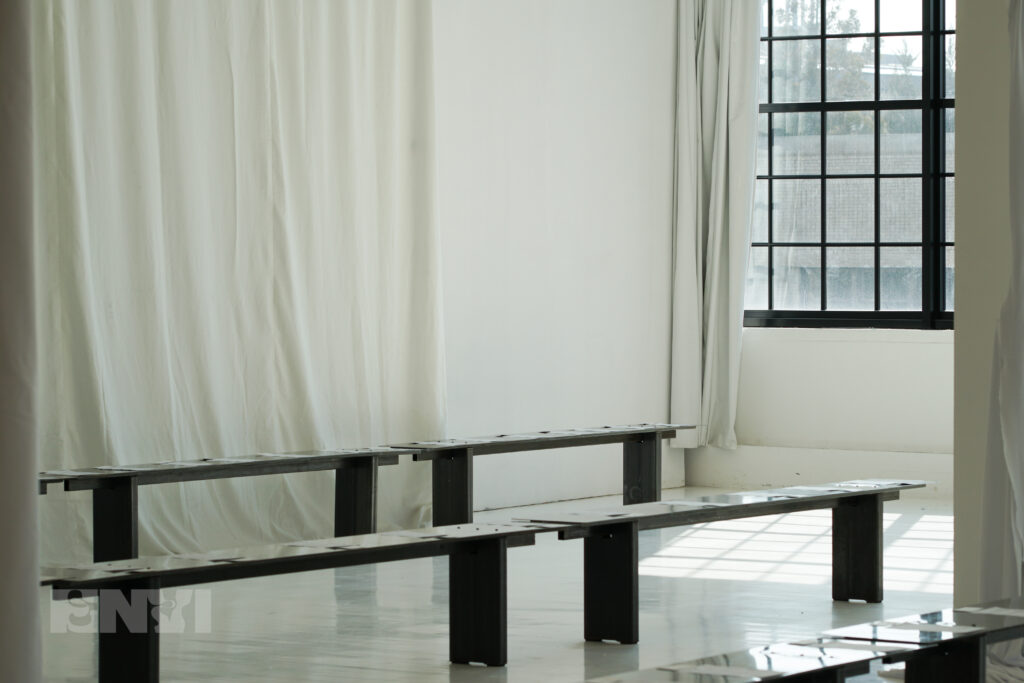
The Modest Now x Muslimi show was conceived with the explicit intention of making a powerful statement, a goal evident from the meticulously curated runway presentation. Held in a luminous studio space framed by floor-to-ceiling glass windows, the venue was bathed in an ethereal glow, amplified by strategic lighting that cast a focused spotlight on the models as they graced the runway. This setting underscored the show’s commitment to highlighting the beauty and artistry of modest fashion.
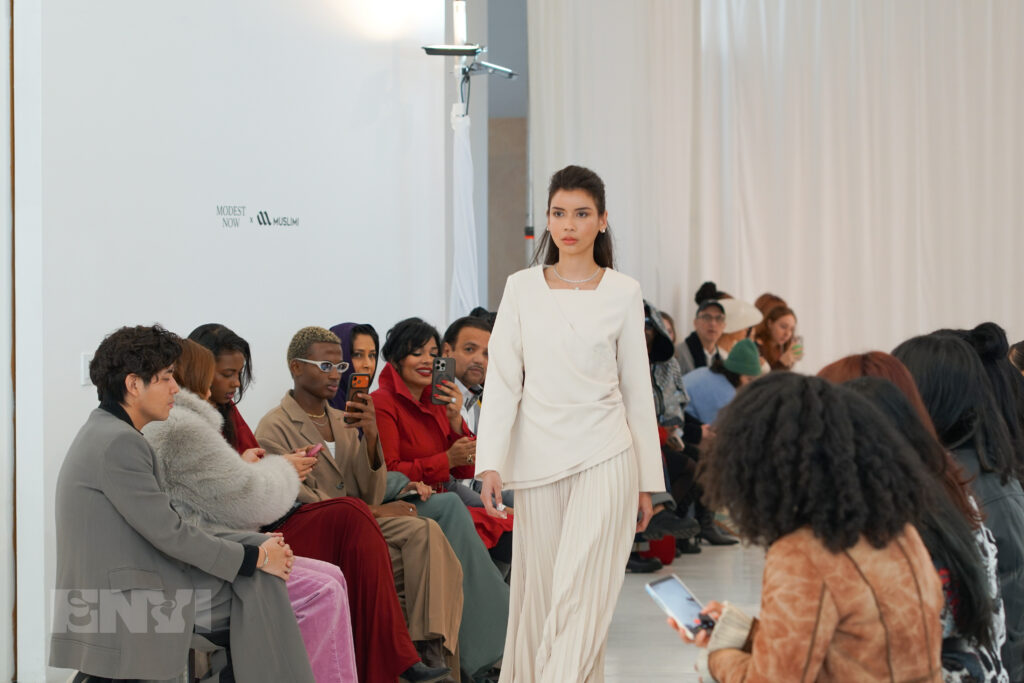
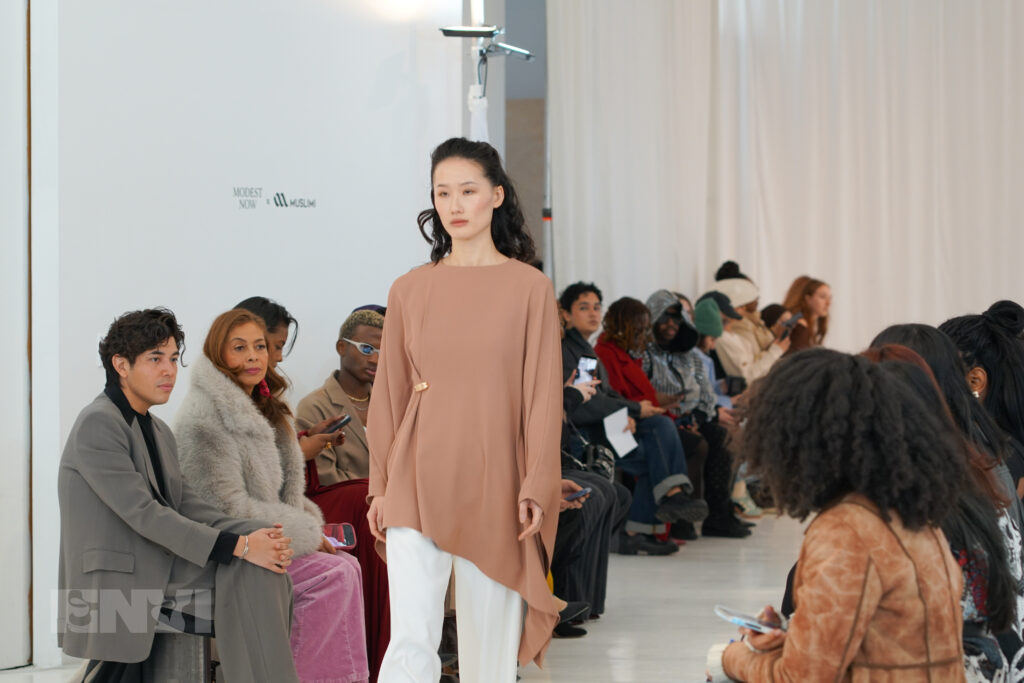
The runway featured two distinct yet complementary collections. First, the Eid Edit from Amariah, a women’s fashion brand helmed by designer Maryam Amaria, presented designs inspired by the founder’s recent travels through the Middle East. Amariah’s collection was characterized by light, flowing fabrics, artfully draped to create silhouettes that moved with grace and elegance. The simplicity and understated luxury of these pieces served to draw attention to the wearer, exuding a quiet confidence without ostentation. Dina Barber, co-founder of Modest Now, aptly described the collection’s aesthetic as "Romantic. Pretty. Soft. Effortless." This collection offered a vision of modern elegance rooted in tradition, appealing to a discerning clientele seeking sophisticated yet modest options.
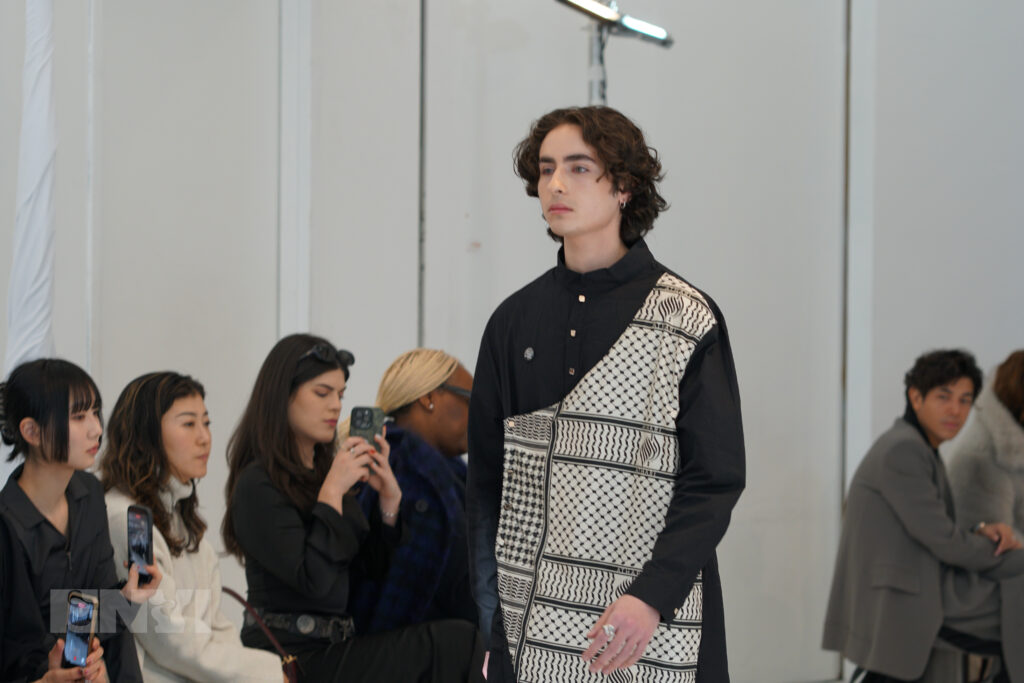
Complementing Amariah’s ethereal designs was the Fall Winter 2026 Collection from Athari Wear, a streetwear brand helmed by designer Islam Mohamed El-Hosainy. Athari Wear’s collection introduced a bold, street-style aesthetic infused with a profound political and ethical message. Pieces in this collection paid homage to Palestine, the iconic keffiyeh, and celebrated influential Muslim-American figures such as Malcolm X. The garments were sharp, contemporary, and exuded a powerful sense of passion and effortless cool, demonstrating that modest fashion can be both impactful and trendsetting.
El-Hosainy’s design philosophy extended beyond aesthetics to encompass a deep commitment to ethical sourcing and production. He emphasized, "I tried to the best of my ability to use the best premium materials and fabrics out there – unique, special materials like suede, Spandex – and everything else. The most important thing for me is that I make sure that’s ethical, that it comes from an ethical source and also has ethical production for it, because, you know, these go hand-in-hand." This dedication to conscious consumerism resonated strongly, aligning with a growing global demand for transparency and ethical practices within the fashion industry.
The significance of the runway extended beyond the designers and their creations. For many of the models, the experience offered a profound opportunity to express their personal values within a system that can sometimes be perceived as restrictive. Several models took to social media to share their feelings about participating in an event that allowed them to authentically represent themselves and their beliefs, highlighting the personal empowerment derived from such inclusive platforms.
The show culminated with the founders of Modest Now, Dina Barber and Fatima Younus, walking hand-in-hand to acknowledge the enthusiastic applause. Athari Wear’s founder, Islam Mohamed El-Hoseiny, also took a celebratory lap around the runway, receiving a standing ovation, further underscoring the impact of his collection and message.
Walking the Talk: Fashion as a Vehicle for Advocacy
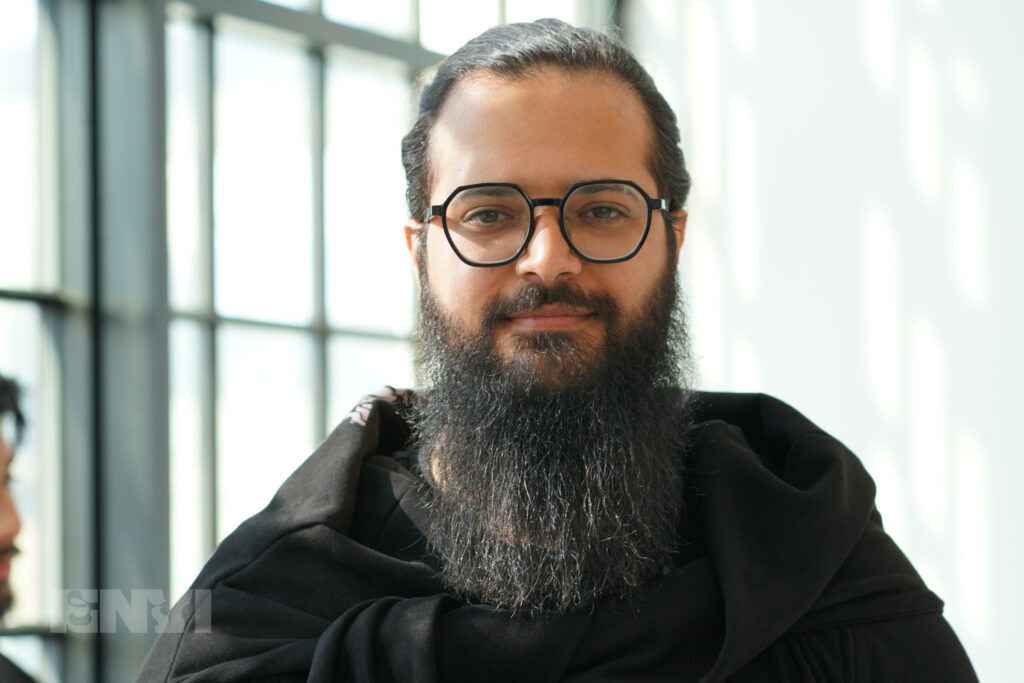
The Modest Now x Muslimi show was not merely a display of clothing; it was a powerful platform for designers to articulate their identities and advocate for causes close to their hearts. EnVi had the opportunity to engage with Islam Mohamed El-Hosainy, the visionary behind Athari Wear, to delve deeper into the inspiration and ethos driving his Fall Winter 2026 collection.
El-Hosainy shared a deeply personal narrative that fueled his creative process: "Basically, my inspiration came throughout my career. I was working in the fashion industry and, long story short, they fired me for standing up for my beliefs. So I wanted to create a collection that reflects my identity, my values, and the people that I look up to like Malcolm X, Muhammad Ali, and all the other Muslims and even those who are not Muslim who align with our values. I want to create something that collects all these ideas together, as well as raises awareness for our brothers and sisters in Palestine and Sudan." This powerful genesis underscores the transformative potential of fashion as a medium for personal expression and social commentary.
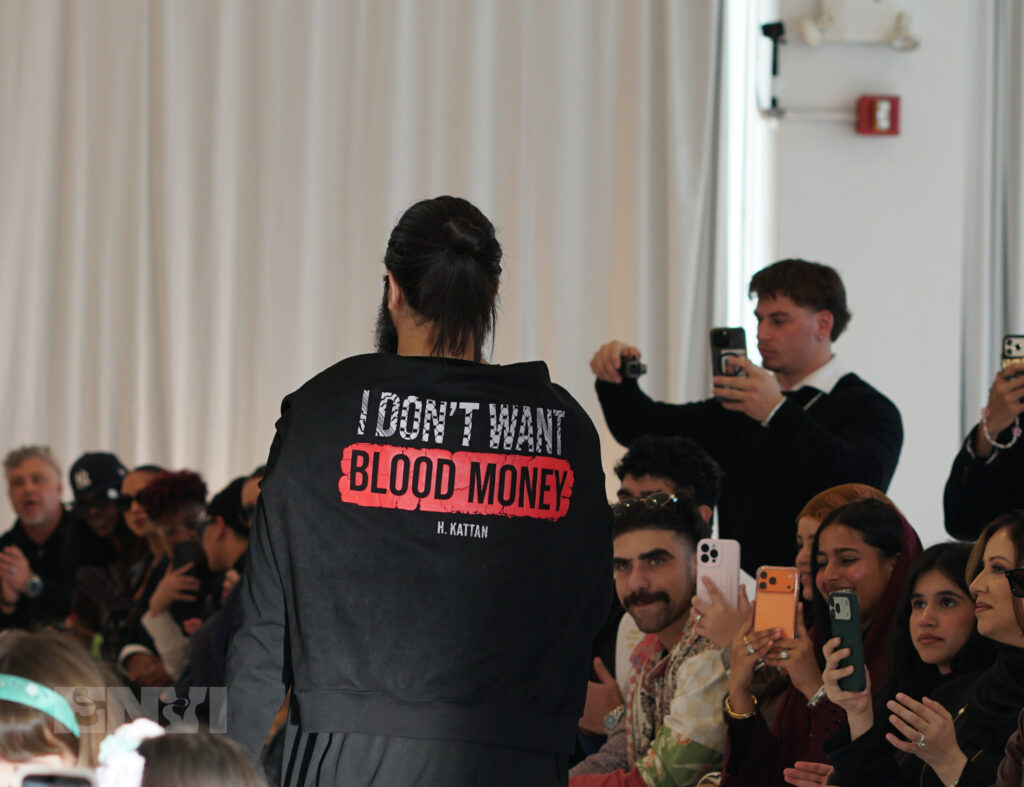
El-Hosainy’s commitment to his convictions was palpably evident throughout the event, particularly during his final runway walk. Adorning the back of his jacket in bold, block lettering were the words, "I don’t want blood money." This stark declaration served as a potent visual statement, directly addressing ethical concerns and the sourcing of materials within the fashion industry, particularly in the context of ongoing global conflicts.
"I believe that fashion’s political and has to be a fashion statement," El-Hosainy asserted. "To me, fashion is something that you express yourself through, something that raises awareness to everything that’s going on." This philosophy positions fashion not just as a consumer product but as an active agent of change, capable of sparking dialogue and driving awareness.
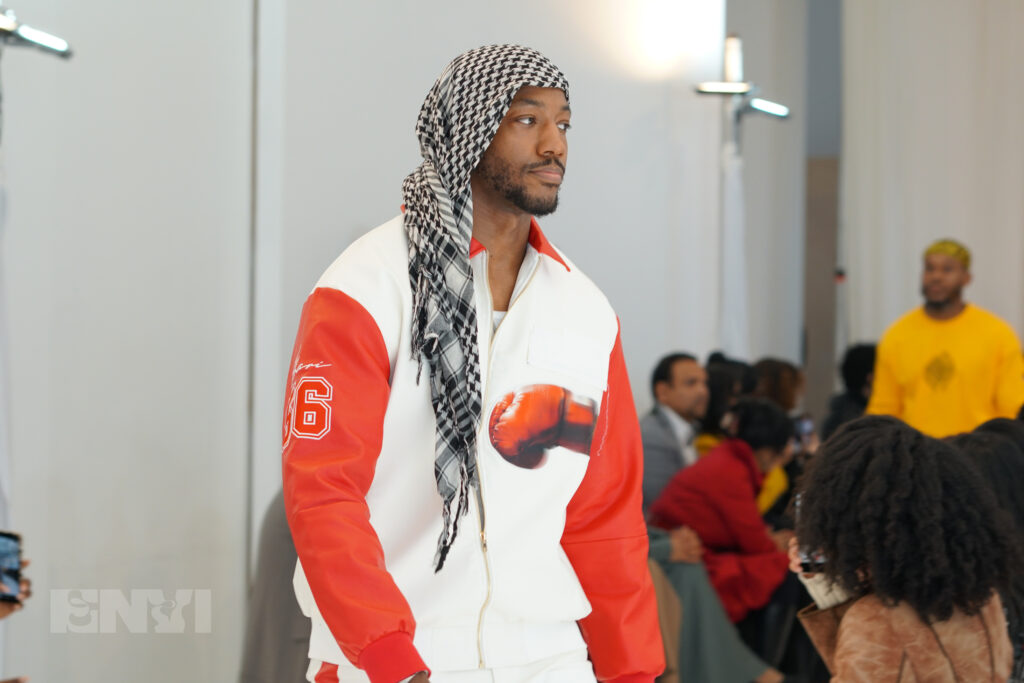
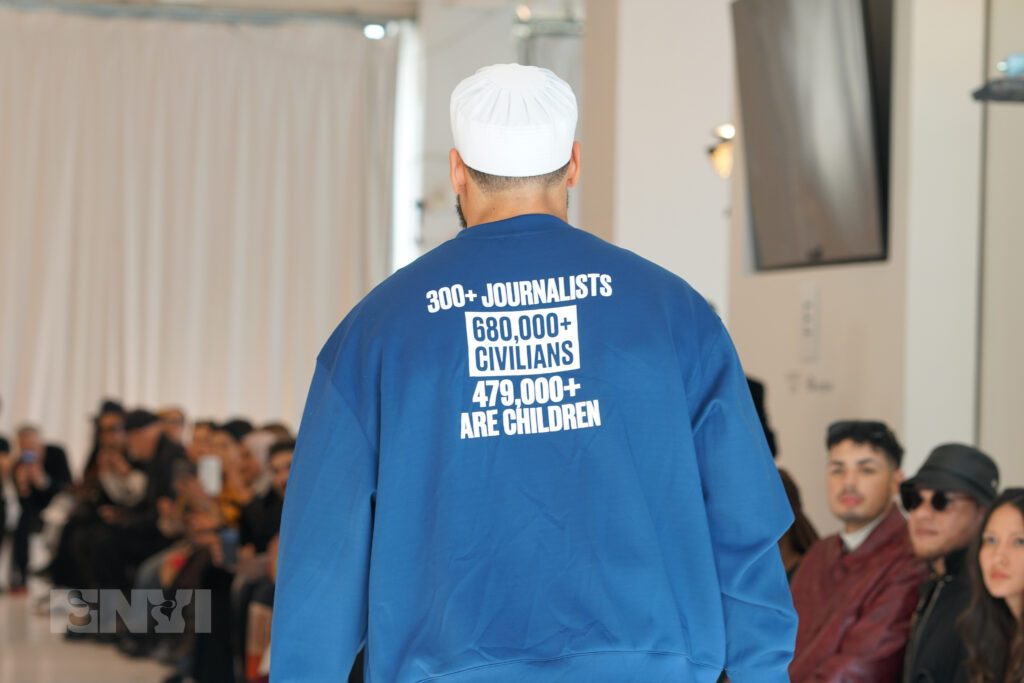
When asked about the pieces that held the most personal significance, El-Hosainy highlighted the Fall Winter 2026 Palestine Collection, the Keffiyeh Collection, and the pieces that embody the identities of influential Muslim figures like Malcolm X and Muhammad Ali. He specifically noted the "melon fit, the press fit" within the Palestine Collection, explaining that it "raises awareness to the death toll in Palestine and Gaza." These statements reveal a profound intention to weave socio-political narratives into the fabric of his designs, transforming clothing into wearable stories that advocate for human rights and global solidarity.
Charting the Course: The Vision Behind Modest Now
The genesis of the Modest Now x Muslimi show was driven by a clear vision articulated by Dina Barber, one of its co-founders. When asked about the timing and significance of this event, Barber emphasized the pressing need for representation within the fashion landscape. "Because I feel like we need a representative, right? As Muslims," she stated. "Like they say, we are not the stronger ones here [in the U.S.]. So I feel we need to be seen because there is so much creativity that the industry has not seen before. The goal is to make modest mainstream and then have a category in the industry, just like swimwear or cocktail dresses, because right now, we don’t have that. We need to start somewhere."
This sentiment reflects a broader societal shift towards demanding greater visibility and inclusion for diverse communities. The fashion industry, with its significant cultural influence, is a key arena for this transformation. Barber’s aspiration to establish a dedicated category for modest fashion within the broader industry framework signals a strategic approach to normalizing and integrating modest wear into mainstream fashion discourse and commerce.
The careful selection of designers for this inaugural show was paramount. Barber explained the deliberate choice to feature only two designers, Amariah and Athari Wear, for their first NYFW presentation. "This is an industry show. This is not like a sideshow or anything – we [were] really careful to choose, you know, since this was the first time and a first impression is everything. So that’s why we only have two designers, because we wanted to show modest fashion." This strategic decision ensured that the debut would make a strong, cohesive statement about the potential and diversity within modest fashion.
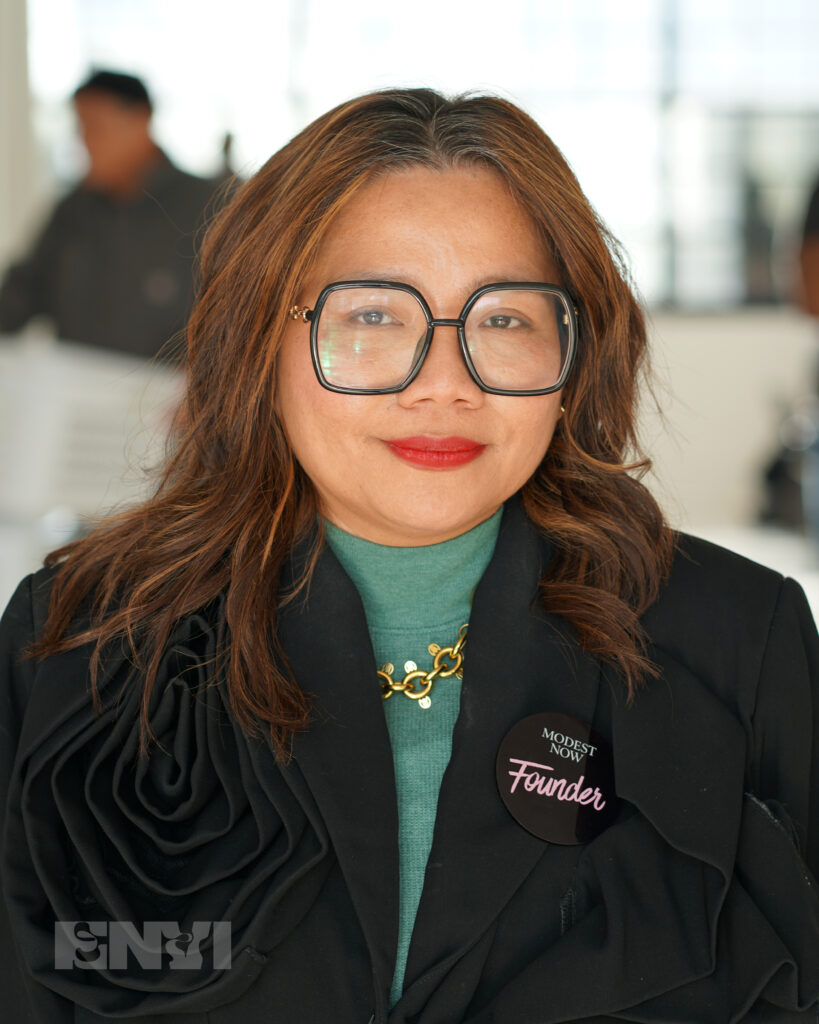
Barber further elaborated on the distinct styles represented: "Amariah is romantic, you know, like girly with nice stitching, which is important. And then the other one we have is Athari Wear, which is streetwear." This juxtaposition showcased the breadth of modest fashion, demonstrating that it encompasses a wide spectrum of styles, from elegant and feminine to edgy and urban. The selection criteria were rigorous, focusing on quality and alignment with the movement’s ethos: "We looked for good quality, not randomly, you know? That’s how we chose, that’s how we created it. We want everyone to join us on this platform, doing this movement together."
The success of the Modest Now x Muslimi show was a testament to collaborative effort and community support. Barber expressed profound gratitude for the backing received from Muslimi, the Riviere Agency for production and PR, and her co-founder, Fatima Younus. Notably, she highlighted the unexpected yet invaluable support from non-Muslim allies, stating, "We are really, really grateful for the community because the community has supported us. It’s really crazy that we have a lot of support from non-Muslims, because they took care of us and it’s really beautiful." This cross-cultural collaboration underscores the universal appeal of inclusivity and the power of shared values.
Modest Now’s commitment extends beyond a single event; the organization aims to establish modest fashion as an enduring industry standard. Barber stressed the importance of longevity in their designer selection process, ensuring that chosen brands possess the capacity for sustained growth. "Amariah and Athari Wear are not going to do it like once and done. We make sure that [the businesses] are going to do it again, that they’re not going to close down after this, you know? They both already have a base, they already have a business. That’s what’s important. It’s going to move the economy, you know?" This forward-thinking approach aims to foster economic empowerment and create lasting opportunities within the modest fashion sector.
The Aftermath: A Moment of Reflection and Continuity
As the runway lights dimmed and the final notes of music faded, the Modest Now x Muslimi show transitioned into a space for connection and reflection. Models, members of the press, and guests mingled, fostering a sense of community and shared purpose. The event successfully achieved its primary objective: attracting an audience keen on advancing modest fashion into the mainstream.
The impact of the show resonated deeply with attendees. Stella Saleh, who attended to support professional bodybuilder Ahmed Saleh, a participant in the show, shared her enthusiasm: "I’m here because I’m so excited to see this. I definitely think it [modest fashion] should be more available here in America. Even myself here as a hijabi, I have such a hard time finding modest clothing. Being at this event really is a very great opportunity to show that modest fashion is also fashionable." Her words echo the sentiments of many who navigate the challenges of finding stylish and accessible modest apparel in Western markets.
In a poignant and powerful display of faith seamlessly integrated with fashion, a group of models, still adorned in their runway attire, realized it was time for Asr, one of the five daily prayers in Islam. They quietly retreated to a corner of the venue, removed their shoes, and began to pray. This unscripted moment, set against the backdrop of the day’s events, served as a profound visual metaphor for the core message of the show: the harmonious coexistence of faith and fashion. It was a quiet, heartfelt punctuation mark on a day that celebrated individuality, cultural expression, and the freedom to embrace one’s identity without compromise.
The Modest Now x Muslimi show at New York Fashion Week was more than just a fashion event; it was a declaration of intent, a bold step towards a more inclusive and representative fashion industry. It demonstrated that modest fashion is not a niche market but a vibrant, dynamic, and essential part of the global fashion conversation, poised to inspire and influence for seasons to come. The organizers’ commitment to building a sustainable movement suggests that this historic debut is merely the beginning of a significant shift in how modest fashion is perceived and integrated into the wider fashion ecosystem.
Related News