
The South Korean music industry, known globally as K-pop, has long been characterized by its highly organized and dedicated fanbases. However, a darker subset of this culture has persisted since the industry’s inception: the "sasaeng" fan. Derived from the Korean words "sa" (private) and "saeng" (life), the term refers to obsessive fans who invade the personal lives of idols through activities that often border on or cross into criminal behavior. Unlike regular fans who support artists through music consumption and sanctioned events, sasaengs engage in 24/7 surveillance, stalking, and harassment. This phenomenon is not a new byproduct of the digital age but an entrenched issue that has evolved alongside the industry’s global expansion, creating a complex challenge for management agencies and law enforcement alike.
The Evolution of Sasaeng Culture: From TVXQ to EXO
The history of sasaeng behavior is deeply intertwined with the rise of major idol groups. While extreme fandom was noted during the era of first-generation groups like H.O.T. and Shinhwa in the late 1990s, it reached a critical peak with the second-generation group TVXQ. Debuting under SM Entertainment in 2003, TVXQ became the epicenter of what is often cited as the most aggressive sasaeng activity in the industry’s history. Members reported fans breaking into their private dormitories to take photos of them while they slept, theft of personal items—including undergarments—for sale online, and the installation of GPS trackers on their transport vehicles.
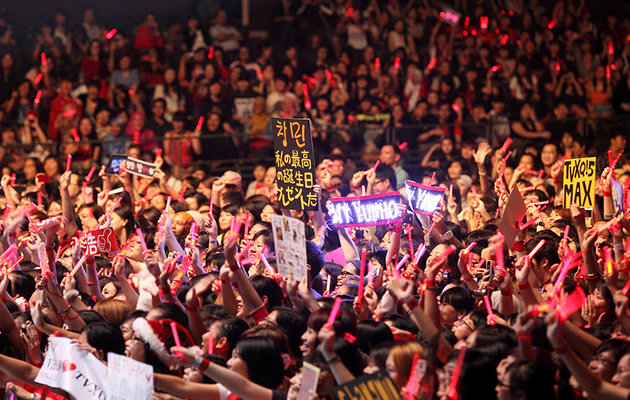
In the current landscape, the mantle of this intense and often dangerous scrutiny has shifted toward rookie and rising groups, most notably EXO. Since their debut, EXO has been the subject of numerous headlines regarding unruly fan behavior. Incidents have ranged from the invasive to the physically hazardous. Notably, reports surfaced of fans recording member Tao while he was singing in the shower by hiding microphones in hotel bathrooms. Furthermore, the group has faced "elephant stampedes" at international airports, where members have been shoved to the ground or physically restrained by fans attempting to link arms with them.
In a recent interview with Sports Seoul, the members of EXO expressed the profound psychological burden of this constant intrusion. They described the "sasaeng business" as a weight that hinders their ability to function both as artists and as private citizens, calling for a shift in fan culture toward mutual respect and boundaries.
Structural Factors: The Influence of Large Management Agencies
Analysis of sasaeng trends suggests a direct correlation between the size of a management agency and the intensity of obsessive fandom. Companies like SM Entertainment, which possess a "pristine record" of producing high-profile, commercially successful groups, often experience the highest concentration of sasaeng activity. The anticipation surrounding a new group from a "Big Three" agency (SM, YG, JYP) creates a high-pressure environment where fans vie for proximity and "exclusive" information to establish status within the fandom hierarchy.

Industry experts note that the prestige of these companies acts as a double-edged sword. While it guarantees a group’s immediate visibility and success, it also attracts individuals who view the idols as commodities rather than humans. The high-budget marketing and "god-like" personas crafted by major labels can inadvertently fuel the delusion that the idol belongs exclusively to the fan, leading to the justification of stalking as an act of "devotion."
The Role of Marketing and Conceptual Backstories
The way a group is marketed also plays a significant role in the development of extreme fandom. Groups like EXO were introduced with elaborate, supernatural backstories—in EXO’s case, a narrative involving alien origins and individual superpowers. While these "lores" are effective for branding and building a dedicated community, they can also blur the lines between fiction and reality for younger, more impressionable fans.
Furthermore, the industry’s reliance on "fan service" and "shipping"—the practice of pairing members together in romantic or platonic fantasies—can exacerbate obsessive tendencies. When idols are encouraged to perform intimacy for the cameras, it can foster parasocial relationships that some fans take to extreme lengths. Analysts suggest that groups with more "mellow" concepts or those who debut with less pre-release hype, such as SHINee’s surprise debut in 2008, may experience a more gradual and manageable growth in their fanbases, potentially mitigating the initial surge of sasaeng behavior.

Setting Boundaries: The Shinhwa and TVXQ Precedents
One of the most effective, albeit controversial, methods for dealing with sasaengs involves the artists themselves setting firm boundaries. A landmark moment in K-pop history occurred during the early years of the group Shinhwa. Member Kim Dong-wan famously told fans during a promotional event, "Shinhwa isn’t responsible for your lives." At the time, this was considered a risky public relations move that resulted in an immediate loss of some fans. However, it is now viewed as a necessary act of self-preservation that helped cultivate a more mature and long-lasting fanbase.
Similarly, Shim Changmin of TVXQ has been vocal about his disdain for invasive behavior, famously advising fans to "please find a boyfriend" and focus on their own lives rather than spending their time following him. These instances highlight a shift in how idols view their relationship with the public; the era of the "pushover" idol who smiles through harassment is slowly being replaced by a more assertive stance on personal safety and mental health.
The Legal Landscape and Technological Challenges
The digital age has significantly empowered sasaengs, making it easier to track idols and share private information. The "sasaeng economy" involves the sale of flight details, phone numbers, and home addresses on social media platforms. In response, many industry observers advocate for a "lawyer up" approach. Historically, agencies were hesitant to take legal action against fans for fear of damaging the group’s image. However, the severity of recent incidents has led to a shift toward criminal prosecution.

In South Korea, the legal framework regarding stalking has undergone significant changes. For years, stalking was treated as a minor misdemeanor punishable only by small fines. It was not until the passage of the "Anti-Stalking Act" in 2021 that the government established more rigorous penalties, including potential prison sentences. This legal evolution is seen as a crucial step in protecting idols, though enforcement remains a challenge when dealing with anonymous digital actors.
Strategies for Minimizing Fandom Altercations
Based on the history of the industry, several strategies have emerged to help minimize the risk of sasaeng-related incidents:
- Targeting Diverse Demographics: Groups that cater to a broader age range, including older "noona" (older sister) or "hyung" (older brother) fans, often benefit from a more mature audience that values the artist’s privacy.
- Immediate Confrontation of Harassment: Idols who refrain from rewarding invasive behavior with smiles or conversation are less likely to be targeted by fans seeking "interaction" through harassment.
- Public Exposure of Sasaengs: Some artists have begun using their own platforms to document the people following them, effectively turning the camera back on the stalkers. This tactic uses the sasaeng’s own desire for anonymity against them.
- Digital Privacy Management: Agencies are increasingly investing in cybersecurity to prevent the hacking of idols’ personal devices and to monitor the illegal sale of private information online.
Broader Implications for the K-pop Industry
The persistence of sasaeng culture poses a systemic threat to the K-pop industry’s sustainability. Beyond the immediate physical danger to the artists, the psychological toll can lead to burnout, anxiety, and early retirement. The "Wolf" and "Growl" era of EXO, while commercially successful, is often remembered by the members as a period of intense fear and lack of freedom.

Furthermore, the unruly behavior of fans at international transit hubs like Incheon International Airport damages the reputation of the fandom and the industry at large. When "elephant stampedes" occur, they endanger not only the idols but also the general public, leading to increased security costs and potential legal liabilities for the management agencies.
Conclusion
K-pop is a genre built on the synergy between artists and fans, intended to be a source of joy and entertainment. The rise of sasaeng culture, however, represents a corruption of this relationship. While the industry continues to reach new heights of global influence, the safety of its performers remains a paramount concern. The transition from viewing idols as accessible "products" to recognizing them as individuals with a right to privacy is essential. Through a combination of stricter legal measures, assertive boundary-setting by artists, and a shift in agency marketing strategies, the industry may eventually move toward a model of fandom that celebrates talent without sacrificing the basic human rights of the performers. As the conversation around mental health and privacy in the entertainment world grows, the era of the sasaeng may finally face its long-overdue decline.