The Persistent Shadow of K-pop Analyzing the Sasaeng Phenomenon and the Industry’s Battle Against Extreme Stalking Culture
Article Editorial Team

The South Korean entertainment industry, particularly the K-pop sector, has long been characterized by a unique and intense relationship between artists and their fanbases. While this devotion has propelled the genre to global prominence, it has also fostered a toxic subculture known as sasaeng fans. Derived from the Korean words "sa" (private) and "saeng" (life), the term refers to obsessive individuals who engage in stalking and other behaviors that constitute a severe invasion of an idol’s privacy. Far from being traditional enthusiasts, sasaengs are viewed by both the public and the industry as a detrimental element of the entertainment business—a form of "unfortunate baggage" that accompanies the rise of high-profile idol groups.
Defining the Sasaeng Phenomenon and Its Tactics
The distinction between a dedicated fan and a sasaeng lies in the violation of personal boundaries. While standard fans support artists through album purchases, concert attendance, and digital engagement, sasaengs operate in a 24/7 cycle of surveillance. Their activities frequently cross into criminal territory. Common tactics include the hiring of "sasaeng taxis"—specialized livery services that charge exorbitant fees to follow an idol’s van throughout the day—and the procurement of private contact information.
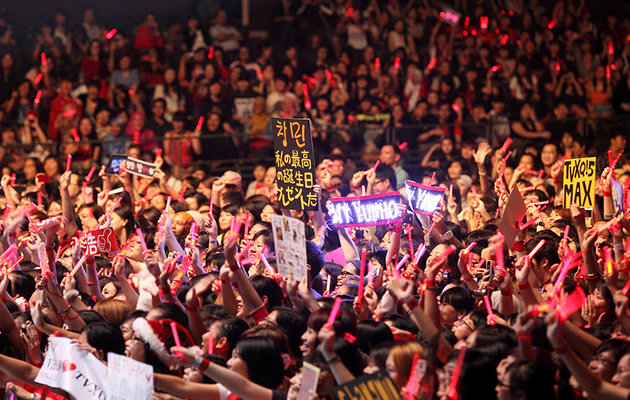
Historically, sasaengs have been known to hack into personal mobile devices to monitor call logs and private messages. In more extreme cases, these individuals have been reported to purchase stolen personal items, such as undergarments, or break into the residential dormitories of artists. The psychological toll on the performers is significant; reports have surfaced of sasaengs entering homes to photograph idols while they sleep or installing hidden cameras in private spaces. While many groups have faced these challenges, the veteran group TVXQ is often cited as having endured some of the most aggressive sasaeng behavior in the history of the industry, setting a grim precedent for subsequent generations of idols.
The Rise of EXO and the Escalation of Fan Misconduct
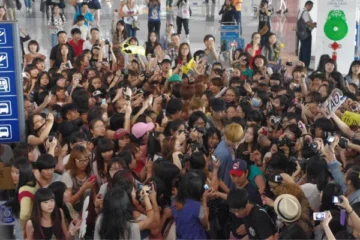
The emergence of the group EXO, under SM Entertainment, marked a significant escalation in sasaeng activity during the early 2010s. As the group’s popularity surged, so did the frequency of dangerous incidents. Reports documented unruly mobs at international airports, described by witnesses as "stampedes," which resulted in members being shoved, falling, or having their personal space physically violated by fans attempting to link arms with them.
One of the most egregious breaches of privacy involved the recording of the member Tao while he was singing in a hotel shower, an audio clip that was later circulated online. Following a series of incidents at Disneyland and various public venues, EXO addressed the issue in a candid interview with Sports Seoul. The members expressed profound distress, stating that the constant intrusion was not only burdensome but had become a significant hindrance to their personal lives and professional operations. They issued a formal plea for fans to respect their privacy, highlighting the growing disconnect between the group’s success and their individual safety.

Structural and Strategic Factors Contributing to Extreme Fandom
The intensity of sasaeng culture can often be traced back to the structural environment of the K-pop industry. Analysis of the phenomenon suggests several factors that contribute to the likelihood of a group attracting obsessive followers.
1. The Influence of Major Management Agencies
Idols debuting under "Big Three" companies—SM Entertainment, YG Entertainment, and JYP Entertainment—enter the industry with a pre-existing level of anticipation. The prestige of these labels acts as a magnet for high-intensity fans. Much like a major film studio announcing a high-stakes franchise, the debut of an SM Entertainment group brings with it a massive, established infrastructure of followers, some of whom possess the resources and inclination to pursue idols obsessively.
2. Target Demographics and Maturity Levels
The primary consumer base for K-pop has traditionally been teenagers and young adults. Industry analysts note that groups targeting an older demographic, often referred to as "noonas" (older sisters) or "ahjummas" (older women), tend to experience fewer sasaeng-related incidents. This is attributed to the perceived maturity and life experience of older fans, who are more likely to respect the professional boundaries of the artist-fan relationship.

3. The Role of Narrative and "Fan Service"
The marketing of K-pop groups often involves elaborate "backstories" or concepts, such as EXO’s initial "supernatural" lore. While these narratives drive engagement, they can inadvertently fuel delusions among vulnerable fans. Furthermore, the practice of "shipping"—the promotion of perceived romantic or platonic pairings between members—can lead to an unhealthy level of investment in the private lives of the idols. When fans become convinced of a specific reality regarding an idol’s personal relationships, they may go to extreme lengths to "verify" their theories.
Strategies for Mitigation: Historical and Contemporary Responses
The industry has experimented with various methods to curb sasaeng behavior, ranging from public shaming to legal intervention.
Boundary Setting and Public Confrontation
One of the most famous instances of an idol setting firm boundaries occurred during the early years of the first-generation group Shinhwa. Member Kim Dong-wan famously told fans, "Shinhwa isn’t responsible for your lives." While the statement was initially viewed as controversial PR, it is now praised as a necessary move to establish that an artist’s primary duty is professional performance, not personal companionship. Establishing this distance early in a career can filter out fans who seek an unhealthy level of intimacy.

Legal Recourse and Police Involvement
For years, the standard response to sasaengs was a "smile and endure" policy, driven by the fear that taking legal action would alienate the broader fanbase. However, as the severity of stalking increased, agencies began to "lawyer up." The threat of criminal prosecution for breaking and entering, harassment, and digital theft has become a more common tool. In recent years, South Korean legislation has also evolved; the 2021 Stalking Punishment Act significantly increased the penalties for the types of behaviors sasaengs frequently exhibit, providing a stronger legal framework for protection.
Digital Security and Information Control
In an era of hyper-connectivity, maintaining a small digital footprint is essential. Sasaengs often rely on leaked flight schedules and hotel information, frequently sold by corrupt employees within the travel or telecommunications industries. Agencies have countered this by tightening internal security, using private terminals when possible, and taking swift action against those found selling private data online.
Analysis of the Broader Implications
The sasaeng phenomenon represents a critical challenge for the K-pop industry as it continues to expand globally. The physical and psychological safety of artists is a paramount concern, as prolonged exposure to stalking can lead to anxiety, depression, and early retirement. Furthermore, the chaos caused by sasaengs at public venues like airports creates significant logistical hurdles and safety risks for the general public, potentially damaging the reputation of the South Korean entertainment export.

From a sociological perspective, the sasaeng culture is a byproduct of the "idol" system, which markets performers as accessible, idealized companions. When the line between a professional product and a private individual is blurred by marketing strategies, certain segments of the audience may struggle to maintain a healthy perspective.
The industry’s shift toward a more protective stance—prioritizing artist well-being over "fan service" at any cost—is a necessary evolution. The transition from the "endurance" model of the 2000s to the "legal protection" model of the 2020s reflects a growing recognition that sasaeng behavior is not a sign of "passionate fandom," but a form of systemic harassment that requires a firm, institutionalized response.
Conclusion
K-pop remains one of the most vibrant and engaging genres in the global music landscape, driven by the genuine passion of millions of fans worldwide. However, the shadow of the sasaeng persists as a reminder of the dangers of unchecked obsession. As groups like EXO and TVXQ have demonstrated, the cost of fame should not include the forfeiture of basic human rights to privacy and safety. By implementing stricter security protocols, pursuing legal action, and fostering a culture of mutual respect, the industry can hope to minimize the impact of sasaengs, ensuring that the focus remains on the music and talent that define the genre. The ongoing dialogue within the "Seoulmate" community and the broader fandom is a vital part of this process, as collective social pressure from "normal" fans remains one of the most effective tools in isolating and discouraging sasaeng behavior.
Related News