
The global ascent of South Korean popular music, commonly known as K-pop, has transitioned from a niche subculture to a multi-billion-dollar juggernaut that dominates international charts and social media discourse. While much of the industry’s success is attributed to the meticulous training of idols and high-production music videos, the core engine of this phenomenon is the unique and often intense psychological journey of the individual fan. This trajectory, characterized by specific stages of engagement, reflects a complex interplay between digital marketing, parasocial relationships, and community identity. Industry analysts and sociologists have observed a recurring pattern in how consumers enter, navigate, and sometimes exit the K-pop ecosystem.
The Initial Encounter and Cultural Dissonance
The first stage of the K-pop fan experience is frequently defined by a mixture of curiosity and skepticism. For those outside the immediate sphere of East Asian media influence, the first exposure to a group like BTS, Girls’ Generation, or B.A.P can be a sensory overload. This "Introductory Stage" is often characterized by cultural dissonance. Newcomers are met with "neon box" aesthetics, highly synchronized choreography, and gender-fluid fashion choices that may challenge Western-centric norms of masculinity and performance.
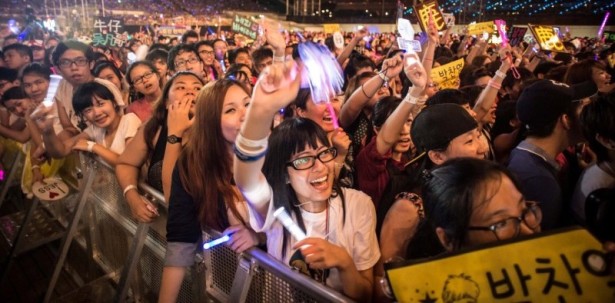
Data from social media trends indicates that many fans’ first impressions are not always positive. The perceived "gimmicky" nature of early 2010s K-pop, such as the maximalist production of SHINee’s "Ring Ding Dong" or the experimental structure of Girls’ Generation’s "I Got a Boy," often serves as a barrier to entry. However, this friction is precisely what makes the eventual "Investigative Stage" more potent. When a consumer moves past their initial confusion to seek out more content, the "rabbit hole" effect begins, driven largely by YouTube and TikTok algorithms that capitalize on the high engagement rates of K-pop content.
The Digital Rabbit Hole and Algorithmic Recruitment
As a casual observer transitions into the investigative phase, the role of digital infrastructure becomes paramount. Unlike Western artists who may release an album and disappear from the public eye, K-pop idols maintain a constant presence through variety shows, "behind-the-scenes" vlogs, and livestreaming platforms like Weverse or the now-defunct V-Live.
During this stage, the potential fan begins to differentiate between members of a group—a process that is systematically encouraged by agencies through "member-specific" teaser trailers and individual social media accounts. This is the point where the consumer is no longer just listening to music; they are beginning to invest in personalities. The psychological shift from appreciating a song to "stanning" a group is often facilitated by the sheer volume of accessible content, making it nearly impossible for a curious viewer to avoid becoming deeper involved once the initial search is performed.

Deep Immersion and the Economics of Fandom
The "Obsessive Stage" marks the peak of a fan’s engagement and is the primary driver of the industry’s massive revenue. According to reports from the International Federation of the Phonographic Industry (IFPI), K-pop fans are among the most likely to purchase physical media, despite the dominance of streaming. This is due to the "photocard" system and multi-version album releases, which turn music consumption into a collectible hobby.
In this stage, the fan’s life often begins to revolve around the "comeback" cycle—the period when a group releases new music and promotes it on music shows. The emotional investment reaches its zenith as fans participate in organized "streaming parties" and voting campaigns to ensure their favorite group wins awards. This period is also defined by the creation of a "bias list"—a hierarchy of favorite members—which further solidifies the parasocial bond. The fan no longer views the idol as a distant celebrity but as a figure whose success is directly tied to the fan’s own efforts.
The Psychological Toll and the Denial Phase
The intensity of the obsessive stage inevitably leads to a period of "Denial" and subsequent burnout. The 24/7 nature of K-pop news—spanning time zones from Seoul to Los Angeles—can lead to significant sleep deprivation and social isolation. Fans in this stage may prioritize digital interactions over real-world obligations, a phenomenon that has drawn the attention of mental health professionals.

Research into fandom behavior suggests that the "Denial Stage" is a defense mechanism. When friends or family point out the disproportionate amount of time and money spent on idols, the fan often retreats further into the community. The communal aspect of fandom provides a "buffer" where such behavior is normalized and even celebrated. However, the internal realization of this imbalance eventually leads to the "Acknowledgement Stage," where the individual must confront the physical and emotional exhaustion of maintaining such high levels of devotion.
The Cycle of Rehabilitation and Relapse
The "Rehabilitation Stage" involves a conscious effort to distance oneself from the fandom. This often includes a "social media detox," where the fan unfollows update accounts and stops participating in community discussions. For many, this is a necessary step to reclaim a sense of personal autonomy. They may return to the music they enjoyed before their K-pop discovery and attempt to re-engage with their local social circles.
However, the K-pop industry is specifically designed to prevent permanent attrition. The "Relapse Stage" is a common occurrence, often triggered by a "comeback" of a favorite group or a major news event, such as a world tour announcement or a significant award win. The feeling of "missing out" (FOMO) is a powerful motivator. A fan who has spent months in rehabilitation may find their resolve crumbling upon seeing a single "selca" (selfie) or a teaser for a new music video. This cycle of leaving and returning highlights the addictive nature of the high-stimulation, high-reward environment that K-pop agencies have perfected.

Long-term Outcomes: Balance vs. Renouncement
Ultimately, most fans reach one of two final states. The "Balanced Stage" represents a maturation of the consumer. These individuals continue to enjoy the music and follow their favorite groups but have established healthy boundaries. They no longer feel the need to participate in every voting campaign or purchase every album version. This demographic is increasingly valuable to the industry as it represents a stable, long-term revenue stream that is less prone to the volatility of "teenager-era" obsession.
Conversely, some fans reach the "Renouncement Stage." This is often a natural progression as life priorities shift—such as entering the workforce or starting a family. In other cases, renouncement is the result of a "fandom trauma," such as a beloved member leaving a group, a scandal, or toxic behavior within the fan community. For these individuals, the "K-pop chapter" of their lives closes completely, though the memories of their time in the fandom often remain a significant part of their identity.
Strategic Implications for the Global Music Industry
The lifecycle of a K-pop fan provides a blueprint for modern brand loyalty. Western labels have begun to adopt many of these strategies, including the use of "drops," limited-edition merchandise, and direct-to-fan communication apps. However, the K-pop model remains unique in its ability to foster a sense of collective responsibility among fans.

Industry analysts suggest that the sustainability of the Hallyu wave depends on its ability to transition more fans into the "Balanced Stage" while continuing to recruit new observers into the "Introductory Stage." As the market reaches saturation in Southeast Asia and the West, the focus is shifting toward "localization"—creating groups within specific countries (such as JYP’s VCHA or HYBE’s KATSEYE) that use the K-pop training model but cater to local tastes.
Conclusion: The Human Element of the Hallyu Wave
While the stages of fandom can be analyzed through a clinical or economic lens, it is important to recognize the genuine joy and community these experiences provide. For many, the journey through the various stages of K-pop devotion is a form of self-discovery. It offers a way to connect with others across borders, learn about a different culture, and find inspiration in the hard work and dedication of the idols themselves.
As long as the K-pop industry continues to innovate and produce high-quality content, the cycle of fandom will persist. Whether a fan ends up in a state of balance or chooses to walk away, the impact of their engagement remains a testament to the power of music to bridge cultural divides and create profound, albeit complex, emotional experiences in the digital age. The evolution from a confused observer to a diehard devotee is more than just a trend; it is a modern rite of passage for millions in the globalized world.