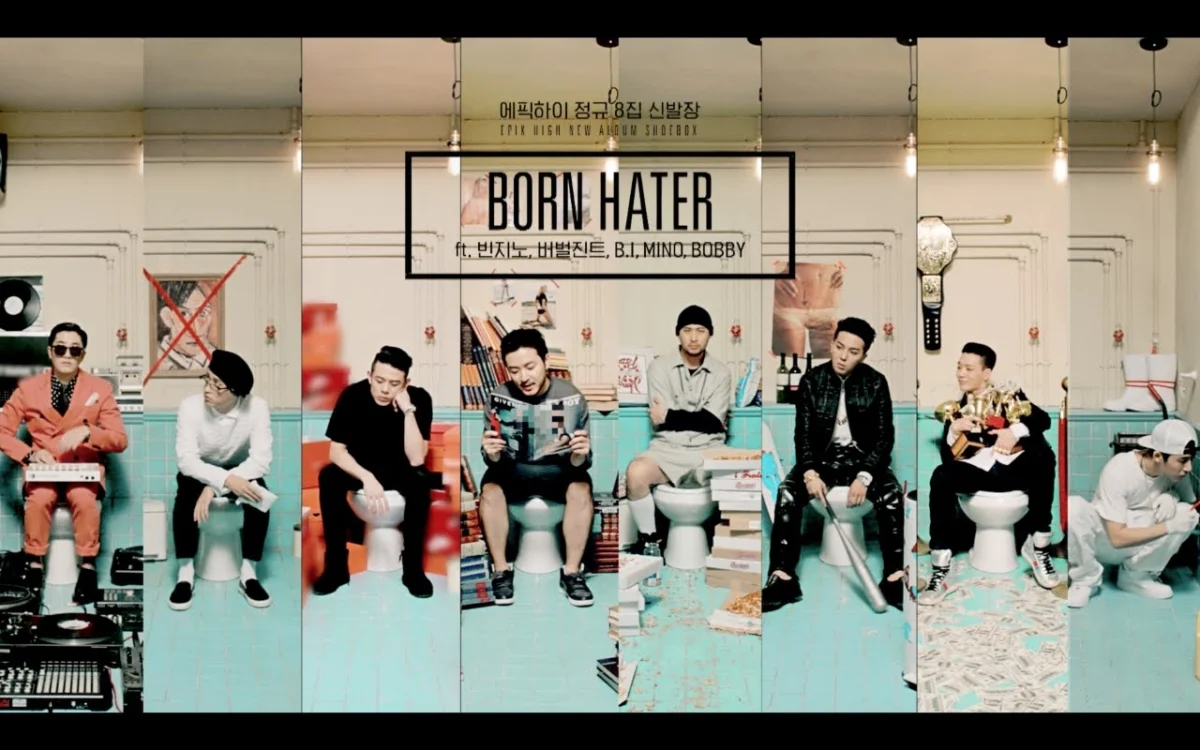
The global expansion of the South Korean music industry, commonly known as K-pop, has transformed from a regional cultural product into a multi-billion-dollar international phenomenon. However, this meteoric rise has been accompanied by a complex and often volatile digital landscape characterized by intense fan devotion and, conversely, a pervasive culture of online harassment. As the boundary between professional critique and personal vitriol becomes increasingly blurred, industry experts and community leaders are calling for a fundamental shift in how audiences engage with artists and each other. The distinction between constructive criticism—intended to foster improvement—and "hating"—aimed at causing emotional or reputational harm—has become a central point of discourse in maintaining the sustainability of the Hallyu wave.
The Evolution of Fandom and the Emergence of Cyber-Harassment
The history of K-pop fandom is rooted in a high level of engagement and loyalty, a dynamic that dates back to the "first generation" of idols in the late 1990s. During this era, rivalries between groups such as H.O.T. and Sechs Kies were largely confined to physical spaces and local fan clubs. However, the transition to the digital age and the subsequent "third and fourth generations" of K-pop have moved these interactions to global social media platforms like X (formerly Twitter), Instagram, and TikTok.
This digital migration has democratized fan voices but has also provided a veil of anonymity that facilitates aggressive behavior. The term "hater" in the K-pop context refers to individuals who disseminate malicious, often unsubstantiated, insults directed at idols or their supporters. Unlike professional critics who analyze musicality, choreography, or performance technique, "haters" often target personal attributes, including appearance, personality, or private lives. This behavior is increasingly recognized not just as a nuisance, but as a form of cyber-violence that can have devastating real-world consequences for the artists involved.

Distinguishing Constructive Criticism from Malicious Intent
To maintain a healthy entertainment ecosystem, it is essential to distinguish between legitimate feedback and targeted harassment. Constructive criticism is a vital component of any art form; it provides artists and agencies with insights into audience expectations and areas for growth. In contrast, "hating" is inherently destructive, offering no path for improvement and serving only to belittle the subject.
Staying Objective and Impersonal
One of the primary markers of constructive discourse is the ability to remain focused on the work rather than the individual. When debating an idol’s performance—such as their acting in a television drama or their vocal stability during a live stage—journalistic and professional standards dictate that the commentary should remain tethered to the specific skill in question. Malicious commenters frequently pivot from the topic at hand to launch ad hominem attacks, mocking an idol’s physical features or perceived personality flaws. Such diversions are considered logical fallacies that invalidate the critic’s argument and transition the interaction into the realm of harassment.
The Value of Helpful Feedback
Constructive criticism is defined by its utility. If a fan or observer takes issue with a specific creative choice, such as a music video concept or a lyrical theme, the most effective feedback is that which suggests a viable alternative or identifies the specific root of the dissatisfaction. Agencies such as SM Entertainment, HYBE, and JYP Entertainment have, at times, adjusted their strategies based on coherent fan feedback regarding styling or promotional schedules. Malicious comments, however, offer no such value, relying instead on "crucifying" the idol for perceived mistakes without offering a framework for correction.
Maintaining Proportionality and Perspective
The K-pop industry is known for its rigorous standards, often placing idols under a microscope. This environment frequently leads to minor incidents being exaggerated into major scandals. Professional analysis requires a sense of perspective, acknowledging that performers are human beings prone to error. The trend of "cancel culture" within fandoms often results in dramatic escalations where a single misstep is used to characterize an artist as a fundamentally "awful" person. Maintaining perspective involves recognizing the difference between a genuine lapse in judgment and a systemic issue, thereby avoiding the "petty and spiteful" tone that characterizes online toxicity.

The Legal and Human Cost of Cyberbullying
The most severe manifestation of online hate is the issuance of death threats and extreme malicious rumors. Within the South Korean legal framework, these actions are increasingly being met with criminal prosecution. The human cost of this toxicity was brought into sharp focus by the tragic passings of prominent idols such as Sulli and Goo Hara in 2019, both of whom had been targets of relentless online harassment.
Legislative Responses and the "Sulli Law"
Following these tragedies, there was a significant push in the South Korean National Assembly to pass the "Sulli Law," aimed at curbing malicious comments through mandatory real-name registration on internet portals and stricter penalties for cyberbullying. While the full scope of the law faced challenges regarding freedom of speech, the movement led to major Korean portals like Naver and Daum disabling the comment sections on entertainment news articles to protect artists from targeted abuse.
Agency Crackdowns and "Zero Tolerance" Policies
In recent years, talent agencies have shifted from a passive stance to an aggressive legal defense of their artists.
- HYBE (BIGHIT MUSIC): The agency representing BTS and TXT regularly issues updates on legal proceedings against perpetrators of malicious posts, including those on platforms like DC Inside and YouTube. They employ "zero tolerance" policies, refusing to settle or show leniency to defendants.
- Starship Entertainment: In a landmark case in 2023 and 2024, Starship successfully pursued the operator of the "Sojang" YouTube channel, a notorious "cyber wrecker" that spread false rumors about IVE’s Jang Wonyoung. The court ordered the YouTuber to pay significant damages, signaling a new era of accountability for online creators.
The Role of Fandom Management and Digital Literacy
While agencies and lawmakers provide the structural defense against "haters," the community itself plays a crucial role in self-regulation. The concept of "being the bigger person" is often cited as a strategy for mitigating the spread of toxicity. Engaging with "haters" often amplifies their reach through platform algorithms, a phenomenon known as "rage-baiting."

Experts suggest that the most effective way for fans to combat negativity is through "de-platforming" and reporting. By refusing to retaliate with further insults, fans can prevent conversations from spiraling into "fan wars," which often consume vast amounts of time and emotional energy without benefiting the idols they support.
Data and Implications for the Future
According to data from the Korea Communications Commission (KCC), reports of cyber-defamation and insult have seen a steady increase over the last decade, coinciding with the global rise of K-pop. This trend suggests that as the audience grows, the potential for friction increases. However, the industry’s response—combining legal action, mental health support for idols, and increased digital literacy—is setting a precedent for other global entertainment sectors.
The broader implications of this shift are two-fold. First, there is a growing recognition of the "duty of care" that agencies owe their artists, leading to more robust mental health resources and private lives’ protection. Second, the K-pop community is increasingly being viewed as a litmus test for global internet culture. The ability of this massive, diverse group of people to move toward a model of constructive engagement rather than destructive "hating" will likely influence digital communication standards far beyond the music industry.
In conclusion, while the allure of K-pop lies in its vibrant performances and the close connection between idols and fans, the sustainability of this bond depends on a foundation of mutual respect. By adhering to professional standards of criticism—staying on topic, offering helpful insights, and maintaining human perspective—the community can ensure that the industry remains a source of entertainment and inspiration rather than a breeding ground for hostility. The transition from a "hater" culture to a "critic" culture is not merely a matter of etiquette; it is a necessary evolution for the protection of the artists and the health of the global fandom.