
The South Korean music industry, globally recognized as K-pop, has long been characterized by its highly organized fan culture and the symbiotic relationship between idols and their supporters. However, a darker subculture known as "sasaeng" fandom has emerged as a persistent and dangerous shadow to the industry’s international success. Derived from the Korean words "sa" (private) and "saeng" (life), sasaengs are individuals who obsessively follow K-pop celebrities, often engaging in behaviors that border on or cross into criminal activity. These individuals are not regarded as traditional fans by the public or the artist communities; instead, they are viewed as stalkers whose actions jeopardize the safety, mental health, and privacy of the performers they claim to admire.
The issue has recently returned to the forefront of national discourse following a series of alarming incidents involving the rookie group Exo. In a comprehensive interview with Sports Seoul, members of Exo expressed profound distress regarding the intrusive nature of their "sasaeng" followers. The group reported incidents ranging from the recording of member Tao singing in the shower to physical altercations at airports, where members were shoved, tripped, or forcibly grabbed by mobs. These events have sparked a broader conversation regarding the responsibilities of management agencies, the efficacy of South Korean stalking laws, and the psychological drivers behind such extreme obsession.
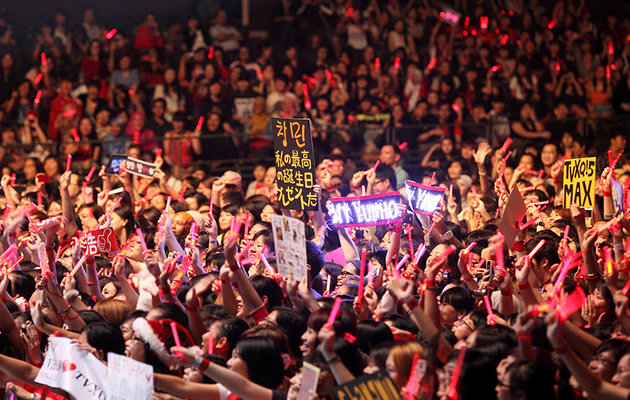
The Mechanics of Sasaeng Culture
To understand the gravity of the sasaeng phenomenon, one must look at the sophisticated methods these individuals employ to track their targets. Sasaeng behavior is not limited to waiting outside recording studios; it involves a 24/7 surveillance operation. Many sasaengs hire specialized "sasaeng taxis"—drivers who charge exorbitant hourly rates to chase idol vans at high speeds through the streets of Seoul. These high-speed pursuits have frequently resulted in traffic accidents, endangering not only the idols and the fans but also the general public.
Beyond physical stalking, the digital invasion of privacy is a cornerstone of the sasaeng toolkit. Private phone numbers, social security numbers, and flight details are bought and sold on illicit black markets. Sasaengs have been known to hack into personal messaging accounts to monitor who an idol is contacting, install GPS trackers on agency vehicles, and even break into dormitories. In some of the most extreme cases recorded in the industry’s history—most notably involving the group TVXQ—sasaengs reportedly duplicated the members’ house keys, entered their living quarters while they were sleeping, and stole personal items such as underwear for sale or collection.
Case Study: Exo and the Pressures of Rapid Ascent
Exo’s rise to prominence under SM Entertainment serves as a modern case study for how rapid fame can attract a volatile fan base. As a group managed by one of the "Big Three" agencies, Exo inherited a massive, pre-existing infrastructure of anticipation. However, this high visibility came with a significant cost. The group’s recent experiences highlight a shift toward increasingly bold and public displays of intrusion.

At international airports, the "elephant stampede" effect has become a recurring nightmare for the group. In these scenarios, hundreds of fans bypass security barriers to surround the members, leading to physical injuries and property damage. The psychological toll was evident in the group’s Sports Seoul interview, where they pleaded for fans to respect the boundary between their professional and private lives. The incident involving the recording of Tao in a private bathroom highlights a total disregard for basic human dignity, reducing the idol to a commodity available for consumption at all hours.
A Chronology of Extremism: From Shinhwa to TVXQ
The sasaeng issue is not a new development but rather an evolution of behaviors seen since the inception of the modern idol system in the late 1990s.
-
The First Generation (Late 1990s – Early 2000s): During the era of groups like H.O.T. and Shinhwa, fan obsession was largely localized. However, even then, the boundaries were being tested. Kim Dongwan of Shinhwa became a pioneer in addressing this behavior directly. During a promotional event, he famously told a crowd of overzealous followers, "Shinhwa isn’t responsible for your lives." This statement was a radical departure from the industry standard of maintaining a "perfect" and "grateful" persona at all times. While the group lost some fans initially, the move is now cited as a necessary step in establishing healthy boundaries.

-
The Second Generation (Mid 2000s – 2010s): TVXQ is often cited as the group that suffered the most at the hands of sasaengs. Their fan base was so intense that members reported feeling like they were living in a "human prison." Incidents included fans crashing into the members’ cars to "see them up close" and the infamous 2006 incident where member Yunho was poisoned after drinking a beverage given to him by a hater-disguised-as-a-fan, which contained superglue.
-
The Third Generation (2012 – Present): With the advent of social media, the speed at which private information travels has increased exponentially. Groups like Exo face a globalized version of the sasaeng problem, where information regarding their location is broadcasted in real-time to millions of users, making it nearly impossible to find a moment of true privacy.
Structural Factors Contributing to Fandom Volatility
Several factors within the K-pop ecosystem contribute to the proliferation of sasaeng behavior. Analysts point to the "trainee system" and the marketing of idols as "accessible ideals" as primary drivers.

1. The "Big Three" Influence: Groups debuting under major labels like SM, YG, or JYP Entertainment are often marketed with massive budgets and elaborate backstories (such as Exo’s "superpower" concept). This creates a sense of "mythology" around the artists, which can blur the lines of reality for younger, more impressionable fans.
2. Target Demographics: K-pop has historically targeted a teenage demographic. While most young fans enjoy the music and performances healthily, a small percentage may lack the emotional maturity to distinguish between a parasocial relationship (a one-sided bond with a celebrity) and a real-life connection. This is why some industry experts suggest that groups targeting older audiences often experience fewer sasaeng-related incidents.
3. The Marketing of Intimacy: The industry often encourages "shipping" (pairing members together) and the display of "skinship" (physical affection between members). While this drives engagement and album sales, it can also fuel delusions of intimacy among fans, leading some to believe they have a "right" to know every detail of the idol’s life.

Strategic Responses and Legal Implications
In response to the growing threat, management agencies and the idols themselves have begun to adopt more stringent measures. The "soft" approach of smiling through the discomfort is increasingly being replaced by professional and legal interventions.
Legal Action: Agencies are no longer hesitating to "lawyer up." By filing criminal charges for trespassing, defamation, and stalking, companies are attempting to create a legal deterrent. However, South Korean law has historically been criticized for being too lenient on stalkers, often classifying such actions as "misdemeanors" rather than serious crimes. There is a growing movement within the industry to lobby for stricter stalking legislation that reflects the digital age.
Direct Communication: Following the example of Shinhwa’s Dongwan, more idols are using their platforms to call out bad behavior. Shim Changmin of TVXQ has been notably vocal, famously telling fans to "find a boyfriend" and focus on their own lives rather than following him. This shift toward "tough love" is intended to de-mystify the idol and remind fans of their shared humanity.

Operational Security: Agencies are investing more heavily in security personnel and "dark" travel arrangements. This includes using private terminals at airports, changing flight times at the last minute, and employing advanced cybersecurity measures to protect the artists’ personal data.
The Psychological and Economic Cost
The impact of sasaeng culture extends beyond the immediate physical danger. The mental health of idols is a significant concern; living under constant surveillance can lead to chronic anxiety, paranoia, and depression. For a group like Exo, who are in the early stages of their career, the pressure to maintain a "perfect" image while being hunted by fans is a heavy burden that could lead to premature burnout.
Economically, while sasaengs are often high-spenders—purchasing multiple copies of albums and expensive gifts—they represent a "toxic" revenue stream. Their presence can alienate the "general" fan base and create a PR nightmare for brands associated with the group. The cost of additional security and legal fees also eats into the profits generated by the artists.

Conclusion: Seeking a Sustainable Path Forward
The K-pop industry stands at a crossroads. As it continues to expand into Western markets, the behavior of its most extreme fans is being scrutinized on a global stage. The sasaeng phenomenon is not a sign of a "successful" fandom but a symptom of a systemic failure to protect the human beings behind the idol personas.
For the industry to remain sustainable, a multi-faceted approach is required: stricter legal frameworks to punish stalking, a shift in marketing strategies to discourage obsessive parasocial bonds, and a continued effort by idols and agencies to set firm boundaries. As Exo and other groups have made clear, the "unfortunate baggage" of sasaengs is a weight the industry can no longer afford to carry. The goal for the future of K-pop must be a culture of "respectful distance," where the music and talent are the focus, and the private lives of the performers remain just that—private.