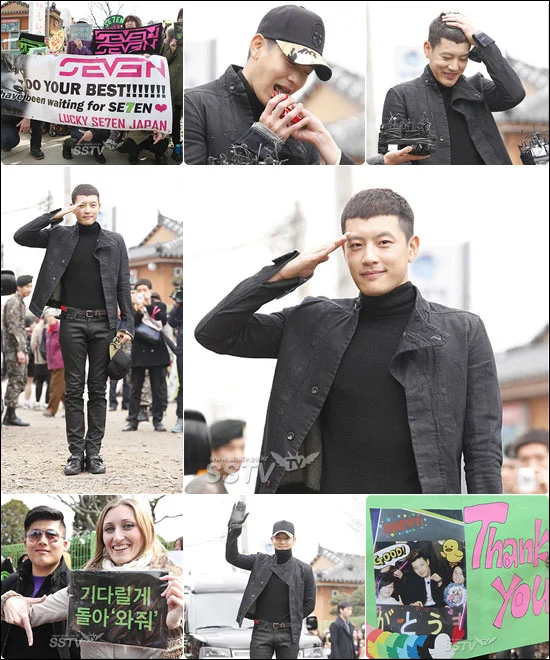
The mandatory military service requirement in South Korea remains one of the most significant and culturally sensitive obligations for the nation’s male citizens. Rooted in the 1953 armistice that halted the Korean War but left the peninsula technically at a state of war, the Military Service Act mandates that all able-bodied men between the ages of 18 and 28 serve approximately 21 months in the armed forces. This system is designed to maintain a standing force capable of deterring potential aggression from North Korea. While the requirement is a universal rite of passage, recent years have seen the emergence of a "celebrity recruit" system that has sparked intense national debate, culminating in high-profile scandals that have threatened the perceived integrity of the Ministry of National Defense (MND).
The concept of the celebrity recruit, officially managed by the Defense Media Agency (DMA), was established to utilize the talents of actors, singers, and entertainers to boost troop morale and promote the military’s image through various public relations programs. However, a series of investigative reports and public transgressions by these high-profile soldiers have exposed a culture of perceived elitism and systemic rule-breaking that stands in stark contrast to the grueling reality faced by ordinary conscripts.
The 2013 Scandal: A Turning Point in Public Perception
The tension surrounding celebrity soldiers reached a boiling point in late June 2013, following an investigative report by the SBS program On Site 21. The broadcast captured footage of several celebrity recruits, most notably the solo singer Se7en (Choi Dong-wook) and Sangchu (Lee Sang-chul) of the hip-hop duo Mighty Mouth, engaging in behavior that flagrantly violated military regulations.
According to the chronology of events established by the investigation, the soldiers were in Chuncheon for a military-sponsored concert intended to honor those who served in the Korean War. Following the performance, the celebrity recruits were seen leaving their designated military lodging in civilian clothing—a significant breach of protocol. The footage showed the men consuming alcohol at a local restaurant and using personal cellular phones, which were strictly prohibited for active-duty soldiers at the time.
The most damaging evidence emerged at approximately 4:00 AM, when Se7en and Sangchu were filmed entering a massage parlor known for providing adult services. Upon exiting the establishment, the two soldiers were confronted by SBS reporters. The ensuing physical altercation, in which the soldiers attempted to seize the journalists’ cameras, further exacerbated the public relations disaster. This incident did more than just tarnish the reputations of the individuals involved; it provided visual confirmation of long-standing rumors that celebrity recruits were living under a different set of rules than the average soldier.
The "Knee Therapy" Defense and Institutional Responses
In the immediate aftermath of the SBS broadcast, the Ministry of National Defense and the Defense Media Agency attempted to mitigate the damage through official statements. The MND initially suggested that the soldiers had visited the massage parlor for "medical reasons," specifically citing a need for "knee therapy." This explanation was met with widespread derision and skepticism by the South Korean public, who viewed it as a poorly constructed cover-up.
Sangchu later attempted to take full responsibility for the incident, stating that as the senior soldier, he should have exercised better judgment and guided his junior, Se7en. However, the apology did little to quell the rising tide of anger. The public sentiment was further inflamed when it was revealed that Se7en had appeared for a subsequent on-site investigation wearing civilian clothing once again, signaling what many perceived as a lack of remorse or understanding of military discipline.
The fallout prompted the Ministry of Defense to launch a comprehensive special investigation into the DMA and its management of celebrity recruits. The findings were startling: investigators discovered that celebrity soldiers were routinely granted excessive leave, allowed to wear civilian clothes on duty, and provided with amenities such as private gyms, gaming consoles, and unrestricted internet access—luxuries entirely unavailable to the thousands of soldiers patrolling the Demilitarized Zone (DMZ) or stationed in remote outposts.
A Pattern of Privilege: From Rain to Leeteuk
The Se7en and Sangchu scandal did not occur in a vacuum. It followed a series of other controversies that had already sensitized the public to the issue of military fairness. Earlier in 2013, the world-renowned star Rain (Jung Ji-hoon) faced disciplinary action after he was photographed meeting his girlfriend, actress Kim Tae-hee, while on official military duty. Rain was accused of abusing his "official leave" to conduct personal business and failing to wear his military cap in public, a violation of the dress code.

While Rain received a relatively light punishment—seven days of confinement for reflection—the incident highlighted the frequency with which celebrity recruits were allowed off-base. Statistical data released during subsequent parliamentary audits revealed that celebrity recruits were granted significantly more vacation days than regular soldiers. Between 2009 and 2012, celebrity recruits averaged 75 days of leave, with some receiving as many as 150 days. In contrast, the average regular soldier was granted approximately 43 days of leave over the course of their entire service.
This disparity created a profound sense of social injustice. In a society where military service is viewed as a "great equalizer," the existence of a class of soldiers who could bypass the hardships of conscription was seen as a betrayal of the national social contract.
The Socio-Political Impact of Conscription in South Korea
To understand the intensity of the backlash, one must consider the role of the military in South Korean identity. For young men, the 21-month hiatus from civilian life represents a significant interruption to their education and career trajectories. It is a period of intense physical labor, psychological stress, and social isolation. When a celebrity—who often earns more in a single endorsement deal than a regular soldier earns in a lifetime of military salary—is seen flouting the rules, it touches a nerve regarding class and equity.
The concept of "fairness" (gongjeong) is a central pillar of South Korean discourse. Military service is one of the few areas where the sons of the wealthy and the sons of the working class are expected to stand on equal footing. When the Ministry of Defense fails to enforce this equality, it undermines the legitimacy of the draft itself.
Furthermore, some celebrities have historically attempted to use their influence to avoid service altogether. Before his enlistment, Se7en had publicly argued that Hallyu (Korean Wave) stars provide a service to the nation comparable to Olympic medalists. Under current law, Olympic medalists and certain award-winning classical musicians are granted exemptions because they "enhance national prestige." Se7en’s suggestion that pop stars should receive similar treatment was rejected by the public, who argued that K-pop is a commercial endeavor driven by market forces rather than a singular pursuit of national honor.

The Investigation Findings and the End of the PR Unit
The SBS investigation and the subsequent internal audit by the MND led to a final report that detailed a complete breakdown of discipline within the Defense Media Agency. Testimony from anonymous staff members revealed that celebrity recruits often engaged in "wanton rule-breaking," including hosting private parties and engaging in behavior that bordered on sexual harassment toward staff. One anonymous recruit defended the unit by claiming they "work hard" by performing up to twenty times a month, a claim that was widely mocked by citizens who pointed out that performing on stage is vastly different from the physical rigors of border patrol in sub-zero temperatures.
Recognizing that the PR unit had become a liability rather than an asset, the Ministry of National Defense made a landmark decision. On July 18, 2013, the Ministry officially announced the permanent abolishment of the celebrity recruit system.
"The celebrity recruit system was aimed at promoting the military and raising the morale of soldiers, but due to the unpleasant issues that have occurred, the image of the military has only been tarnished," the Ministry stated in its official release.
Following the dissolution of the unit, the remaining 15 celebrity recruits were reassigned to regular field units to serve out the remainder of their terms as ordinary soldiers. Se7en and Sangchu were sentenced to ten days in military prison for their conduct, a move intended to demonstrate that the military was finally taking discipline seriously.
Implications for the Future of Hallyu and the Military
The abolishment of the PR unit marked a significant shift in how the South Korean government handles high-profile conscripts. In the years following the 2013 scandal, the military has adopted a "quiet service" policy for celebrities. Stars are now expected to enlist as regular soldiers, often serving in active-duty combat roles or as military band members within standard units.

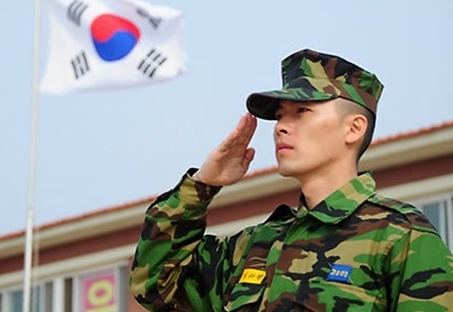
This shift has actually benefited some celebrities’ public images. Stars like Hyun Bin and Lee Seung-gi, who served in the Marines and Special Forces respectively, saw their popularity soar after completing their service with distinction. Their commitment to serving without special treatment reinforced their status as national role models.
However, the debate over exemptions remains active. In recent years, the global success of groups like BTS has reignited discussions about whether the Military Service Act should be amended to include global pop icons. While the "BTS Law" was passed to allow certain artists to postpone their service until age 30, the government has remained firm on the requirement of actual service.
The 2013 scandal involving Se7en, Sangchu, and the Defense Media Agency serves as a cautionary tale about the dangers of institutionalized favoritism. It proved that in the eyes of the South Korean public, no amount of "national prestige" or "morale-boosting" talent can outweigh the fundamental requirement of equality before the law. As the nation continues to navigate its complex security environment, the integrity of its conscription system remains tied to the principle that every soldier, regardless of their status in civilian life, must shoulder the same burden in defense of the fatherland.