
The South Korean entertainment industry, particularly the global phenomenon known as K-pop, has long been characterized by an unprecedented level of fan engagement. While this devotion has propelled groups to international stardom, it has also birthed a dark subculture known as "sasaeng" fans. Derived from the Korean words "sa" (private) and "saeng" (life), these individuals are not merely enthusiastic supporters but are more accurately described as obsessive stalkers who infringe upon the private lives of idols. The sasaeng phenomenon represents a persistent and dangerous "baggage" of the industry, incurring widespread condemnation from the general public and the broader "fandom" communities. These individuals engage in activities that range from intrusive to overtly criminal, creating a volatile environment for artists and their management.
The gravity of this issue was recently highlighted by the experiences of the rookie group EXO. Despite their rapid ascent in the music charts, the members have faced a series of harrowing encounters that have raised questions about artist safety and the psychological toll of extreme fame. From unauthorized recordings of members in private settings to chaotic scenes at international airports, the rise of EXO has been mirrored by an equally intense rise in sasaeng activity. In a candid interview with Sports Seoul, the members expressed a profound sense of burden, pleading for an end to the intrusive behaviors that have come to define their daily existence.
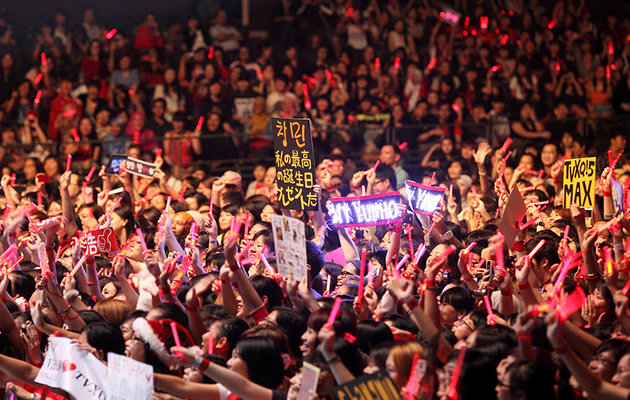
The Evolution of Invasive Fandom: From TVXQ to EXO
The history of sasaeng behavior is as old as the modern K-pop industry itself, but it reached a notorious peak with the group TVXQ in the mid-2000s. TVXQ is often cited as having the most "famous" or rather, the most aggressive sasaeng following in history. Members were subjected to constant surveillance, with fans reportedly breaking into their dormitories to take photos of them while they slept or stealing personal items, including undergarments, to be sold or traded in secret online communities.
As the industry transitioned into the early 2010s, the emergence of EXO brought a new wave of sasaeng incidents characterized by both physical aggression and digital intrusion. Recent reports have detailed fans recording member Tao while he was singing in the shower at a hotel, an egregious violation of privacy. Furthermore, the group has been the center of "elephant stampedes" at airports, where unruly mobs have caused members to fall and sustain minor injuries. In some instances, fans have even attempted to link arms with members or touch them inappropriately while they navigated through public spaces. These incidents are not isolated but are part of a calculated effort by sasaengs to gain proximity and "proof" of their closeness to the idols.
The Mechanics of Sasaeng Activity
Sasaeng behavior is supported by a sophisticated, albeit illicit, infrastructure. Understanding how these individuals operate is crucial to analyzing the broader impact on the industry.

- Sasaeng Taxis: This is a specialized industry where taxi drivers are hired for exorbitant daily rates—often exceeding several hundred dollars—to follow idol vans 24/7. These drivers are known for reckless driving, often ignoring traffic laws to keep pace with the artists, which poses a significant safety risk to the idols, the fans, and the general public.
- Information Brokerage: Personal data, known as "db" (database) in sasaeng circles, is a high-value commodity. This includes private phone numbers, flight details, home addresses, and even the social security numbers of idols. This information is frequently hacked, stolen from telecommunications employees, or purchased from airport staff.
- Digital Harassment: With the advent of smartphones, sasaengs have shifted toward hacking into KakaoTalk accounts and iCloud storage. They monitor who the idols contact, frequently calling them at all hours of the night to confirm if the artist is using their phone.
- Physical Incursion: Breaking and entering remains a primary tactic. Sasaengs have been known to install hidden cameras in idol dormitories or wait in stairwells for hours just to catch a glimpse of the artist entering their home.
The Role of Agency and Marketing in Fandom Extremism
Analysis of the sasaeng phenomenon suggests that the structure of the K-pop industry itself may inadvertently contribute to these behaviors. Groups debuting under "Big Three" agencies—SM Entertainment, YG Entertainment, and JYP Entertainment—often enter the market with massive, pre-built hype. For example, EXO’s debut was preceded by an extensive teaser campaign that built immense anticipation. While this ensures commercial success, it also attracts the most extreme elements of the fandom who view the idols as "products" they have a right to access.
Furthermore, the concept of "lore" or "backstories" for groups—such as EXO’s initial concept of being aliens with superpowers—can blur the lines between reality and fiction for younger, more impressionable fans. When idols are marketed with "god-like" or "otherworldly" personas, it can fuel a sense of entitlement and obsession. In contrast, groups that debut with less hype or target an older, more mature demographic (often referred to as "noonas" or "hyungs") tend to experience fewer instances of extreme sasaeng behavior, as their audience often possesses the social maturity to respect professional boundaries.
Strategies for Mitigation: Industry Responses and Historical Precedents
The persistent threat of sasaengs has forced artists and agencies to adopt various defensive strategies. While some of these are proactive, others highlight the limitations of current legal and social frameworks.

The Shinhwa Precedent: Direct Confrontation
One of the most famous responses to sasaeng behavior came from Kim Dong-wan of the veteran group Shinhwa. During the group’s early years, he famously told fans, "Shinhwa isn’t responsible for your lives." While this was considered a risky PR move at the time and led to a temporary loss of fans, it established a clear boundary. Today, Shinhwa is respected for having a loyal, mature fanbase. This suggests that when idols, particularly the most popular members of a group, explicitly condemn invasive behavior, it can act as a deterrent for those on the fringe of obsession.
Legal Recourse and Digital Security
There is a growing trend toward "lawyering up." Agencies are increasingly moving away from lenient stances and are pursuing criminal charges for stalking, breaking and entering, and defamation. However, South Korea’s anti-stalking laws have historically been criticized for being too lenient, often resulting in small fines rather than significant jail time. Strengthening these legal protections is seen as a necessary step for the industry’s long-term health.
Managing Public Appearances
The "airport culture" in K-pop has become a primary flashpoint for sasaeng activity. To counter this, some agencies have experimented with "ninja debuts"—releasing music with minimal prior notice to prevent the buildup of unhealthy hype. Additionally, idols are being encouraged to refrain from "fan service" when being harassed. Smiling or engaging with fans who are shoving cameras in their faces can inadvertently validate the behavior. Instead, a firm, professional distance is being advocated by security experts.

The Psychological Impact and Broader Implications
The implications of the sasaeng phenomenon extend far beyond simple privacy concerns. The mental health of idols is at the forefront of this discussion. Constant surveillance leads to chronic stress, anxiety, and a sense of paranoia. For rookie idols who are already under immense pressure to succeed, the added burden of being hunted by fans can lead to burnout or severe psychological distress.
Moreover, sasaeng activity tarnishes the reputation of the K-pop industry on a global scale. As the genre expands into Western markets, the behavior of these extreme fans is often scrutinized by international media, potentially alienating more casual listeners and making it difficult for groups to conduct normal promotional activities abroad.
The "shipping" culture—where fans obsess over perceived romantic relationships between members (OTPs)—also plays a role. When fans become deluded by these narratives, any perceived threat to that "ship," such as a member dating in real life, can trigger a violent or obsessive backlash from sasaengs who feel betrayed by the artist.

Conclusion: A Call for Cultural Shift
The sasaeng phenomenon is a complex issue rooted in the intersection of celebrity culture, digital connectivity, and the unique marketing strategies of the K-pop industry. While agencies can increase security and lawyers can pursue charges, a fundamental shift in fan culture is required. The industry must move toward a model where the artist’s humanity is prioritized over their "idol" persona.
As Shim Changmin of TVXQ famously advised fans, "Please find a boyfriend," or in broader terms, please find a life outside of the artist. K-pop is intended to be a source of entertainment and inspiration, not a catalyst for criminal obsession. Until the industry and the legal system can effectively de-incentivize sasaeng behavior, the "unfortunate baggage" of K-pop will continue to cast a shadow over its brightest stars. The case of EXO serves as a modern warning: without clear boundaries and rigorous enforcement of privacy rights, the very fans who claim to love these artists may ultimately be the ones who cause them the most harm.