The Societal Impact and Cultural Normalization of Plastic Surgery within South Koreas Entertainment Industry and Public Sphere
Article Editorial Team
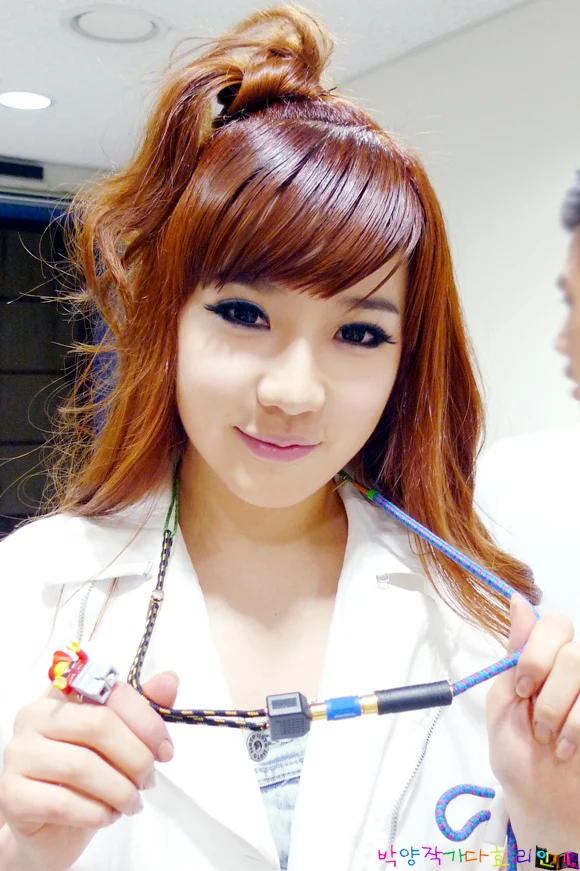
The prevalence of cosmetic surgery in South Korea has moved beyond the realm of personal choice to become a central pillar of the nation’s cultural and economic identity. In the densely populated landscape of the Korean entertainment industry, known globally as K-pop and Hallyu, the intersection of physical appearance and professional success is a subject of constant public discourse. Digital platforms such as Google, Naver, and Daum reflect this obsession, where search algorithms frequently pair celebrity names with terms like "plastic surgery" or "before and after." This digital scrutiny highlights a broader societal preoccupation with aesthetic perfection, where subtle changes in a star’s facial structure are analyzed with clinical precision by online communities.
While the entertainment industry often maintains a "don’t ask, don’t tell" policy regarding surgical enhancements, the topic occasionally surfaces in the public eye through variety programming and candid interviews. These moments of transparency provide a window into the complex relationship between South Korean citizens and the scalpel. The discourse is no longer limited to whether a procedure occurred, but rather delves into the philosophical and psychological motivations behind the decision to alter one’s appearance.
The Public Debate: Personal Satisfaction versus Marital Fidelity
A significant moment in the public discourse occurred when solo artist G.NA engaged in a televised debate with comedian Lee Yoon-suk. The exchange highlighted two opposing viewpoints that frequently clash in Korean society. Lee Yoon-suk voiced a traditionalist perspective, arguing that his wife seeking plastic surgery would constitute a "violation of their marriage oath." His stance suggested that physical appearance should be accepted as-is within the confines of a committed relationship, and that the pursuit of surgery implies a lack of contentment with what one’s partner deems "perfect."
In response, G.NA offered a defense rooted in individual agency and psychological well-being. She emphasized the importance of "personal satisfaction and happiness," citing her grandfather’s hair transplant as a transformative experience that significantly boosted his self-esteem. G.NA’s argument posits that cosmetic enhancement is not necessarily about pleasing others, but about correcting perceived insecurities to improve one’s quality of life. This perspective aligns with a growing segment of the South Korean population that views plastic surgery as a tool for self-empowerment rather than a submission to vanity.
However, G.NA herself has often been the subject of intense speculation regarding her own appearance. Critics frequently cite her as an example of the "surgically-altered" aesthetic that has become synonymous with K-pop idols. This irony underscores the precarious position of celebrities: they are expected to embody an impossible standard of beauty, yet they face criticism if the "manufactured" nature of that beauty becomes too apparent.
Statistical Context: South Korea as a Global Hub for Cosmetic Enhancement
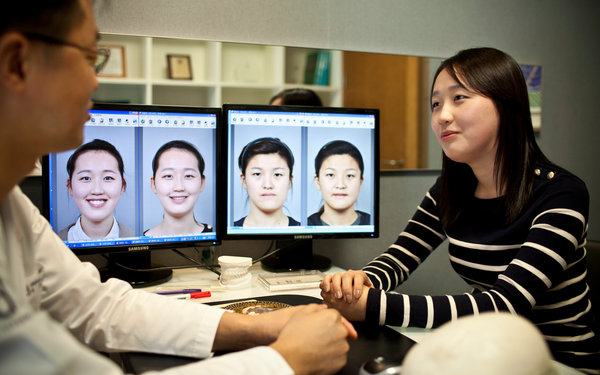
The anecdotal evidence found in television debates is supported by staggering statistical data. According to the International Society of Aesthetic Plastic Surgery (ISAPS), South Korea has consistently ranked as the country with the highest rate of plastic surgery procedures per capita globally. In the early 2010s, reports indicated that approximately one in five women in Seoul had undergone some form of cosmetic procedure.
The infrastructure supporting this demand is concentrated in Seoul’s Gangnam District, specifically the Apgujeong and Sinsa neighborhoods, often referred to as the "Beauty Belt." This area houses over 400 specialized clinics within a few square miles. The ubiquity of the industry is further reinforced by aggressive marketing; advertisements for jawline reduction, rhinoplasty, and blepharoplasty (double eyelid surgery) are common fixtures in subway stations and on public buses. This normalization has transformed what was once a clandestine medical procedure into a mainstream consumer product, often gifted to high school graduates by their parents as a "congratulatory" gesture before entering university or the workforce.

The Miss Daegu Controversy and the Homogenization of Beauty
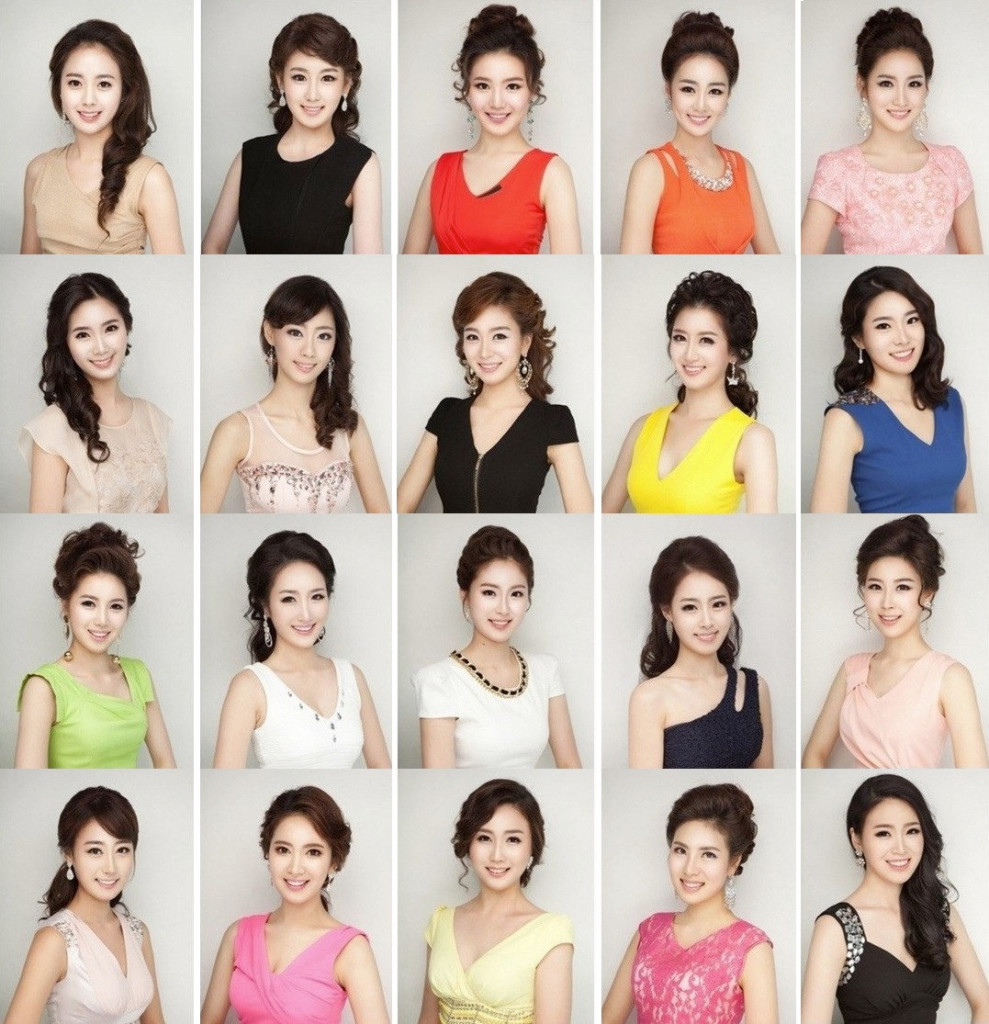
The implications of this widespread surgical culture reached a flashpoint during the 2013 Miss Daegu pageant. When the photographs of the twenty candidates were released, the images went viral globally, not for the contestants’ beauty, but for their striking similarity. The candidates appeared to be "clones," sharing nearly identical features: large, almond-shaped eyes with distinct double eyelids, high and narrow nose bridges, porcelain skin, and the highly coveted "V-line" heart-shaped jaw.
This phenomenon, often derided by netizens as "Samsung-miso" or "plastic surgery monsters" (Sung-goe), raised profound questions about the loss of individuality in the pursuit of a singular beauty ideal. When the pinnacle of national beauty is represented by twenty women who look virtually indistinguishable, it suggests that the goal of plastic surgery in South Korea is not merely to "enhance" one’s natural features, but to conform to a specific, rigid template of perfection.
The 2013 pageant winner, Kwak Ka-hyun, became a lightning rod for this debate. Critics argued that a beauty queen should represent natural grace, while supporters noted that if the society prizes a certain look, contestants are merely responding to those market pressures. This homogenization suggests that the "personal choice" G.NA defended is often heavily influenced—if not dictated—by a narrow societal definition of what is attractive.
Comparative Media Landscapes: The Absence of Alternative Voices
To understand the intensity of South Korea’s beauty standards, it is useful to compare its media landscape with that of the West. In the United States, while beauty standards are undoubtedly demanding, there is a visible, albeit small, counter-narrative. Figures like Tina Fey, Lena Dunham, and Amy Poehler have built careers on subverting traditional glamour, often using humor to critique the "laundry list" of attributes women are expected to possess.

In contrast, South Korean media offers very little room for diverse physical representations. Celebrities who do not fit the "idol" mold are often relegated to specific, marginalized roles. For instance, talented comedians like Kim Shin-young and Jung Ju-ri frequently find their "act" centered on their perceived lack of beauty. They are positioned as the "ugly" foil to the "beautiful" idols, reinforcing a binary where one is either aesthetically perfect or a comedic object of pity.
This lack of diversity creates a feedback loop. When the only images of success and happiness presented in dramas, music videos, and advertisements are those of surgically enhanced individuals, the pressure on the average citizen to conform becomes overwhelming. The "choice" to undergo surgery becomes a pragmatic response to a society that rewards a specific look with better job prospects, social status, and romantic opportunities.
Socio-Economic Implications: Beauty as a Professional "Spec"
In South Korea, the term "spec" (short for specifications) is used to describe the qualifications a job seeker must have, such as university prestige, GPA, and English proficiency scores. Increasingly, physical appearance is being treated as a "spec." It is common for resumes in South Korea to require a photograph, leading many applicants to undergo "employment plastic surgery" to gain a competitive edge in a tight labor market.
This economic reality reframes the plastic surgery debate. If a rhinoplasty or a jaw shaving procedure can genuinely increase one’s chances of being hired at a top-tier company like Samsung or Hyundai, the procedure moves from the realm of vanity to the realm of professional investment. However, this also creates a systemic inequality where those who cannot afford expensive surgeries are at a distinct disadvantage, further entrenching social stratification based on physical "perfection."
The Complicity of Media and the Path Toward Self-Acceptance
The South Korean media has begun to show small signs of self-reflection. Variety shows have started to feature honest discussions about the pain and risks associated with surgery, moving away from the purely celebratory tone of "makeover" shows like Let Me In. Some K-pop groups, such as Brown Eyed Girls, have even parodied the nation’s obsession with surgery in their music videos, signaling a growing awareness of the absurdity of the "clone" culture.
However, these voices remain the minority. For a meaningful shift to occur, the industry must move beyond using "non-traditional" beauty as a punchline and start celebrating it as a legitimate form of expression. Until the media provides a platform for alternative beauty standards that are not rooted in surgical modification, the "vicious cycle" of conformity is likely to continue.
The decision to undergo plastic surgery will always have a personal dimension, as G.NA argued. But in the context of South Korea, that personal decision is inextricably linked to a societal structure that demands perfection. The challenge for the future lies in decoupling personal happiness from the scalpel and fostering a culture where a "unique special snowflake" is valued for her original features rather than her ability to match a manufactured ideal. The selection of twenty identical pageant candidates serves as a reminder that when a society values only one type of beauty, it risks losing the very diversity that makes human aesthetics meaningful.
Related News