The Stages of Fandom: From Casual Observer to Diehard Fan
Article Editorial Team

The Genesis of Engagement: Sensory Overload and the Introductory Stage
The initial encounter with K-pop often serves as a significant cultural "shock" for consumers outside of East Asia. This introductory stage is characterized by a high degree of confusion and sensory stimulation. For many uninitiated viewers, the visual language of K-pop—featuring high-budget "neon box" music videos, synchronized choreography, and gender-fluid fashion—diverges sharply from Western pop music norms. This period is often marked by skepticism or resistance; the highly produced nature of the content can be perceived as "gimmicky" or overly manufactured.
Data from digital consumption patterns suggests that the first point of contact is frequently accidental, driven by social media algorithms or viral trends. During this phase, new listeners may struggle with the sheer volume of content and the structural differences of the industry, such as the "trainee system" and the multi-member group format. In some cases, existing fans of other groups may even experience a sense of defensive loyalty, viewing new acts as derivative. For instance, the early 2010s saw significant discourse among fans comparing the gritty aesthetics of groups like B.A.P with the emerging dominance of BTS, illustrating how initial impressions are often filtered through the lens of existing preferences or biases.
The Investigative Phase: The Role of Digital Algorithms and Curiosity
The transition from the introductory stage to the investigative phase is often triggered by "earworms"—melodic or rhythmic hooks that persist in the consumer’s memory. A notable example in Hallyu history is Girls’ Generation’s "I Got a Boy," a song characterized by its jarring stylistic shifts that initially confused listeners but eventually compelled them to seek out more information to understand the composition.
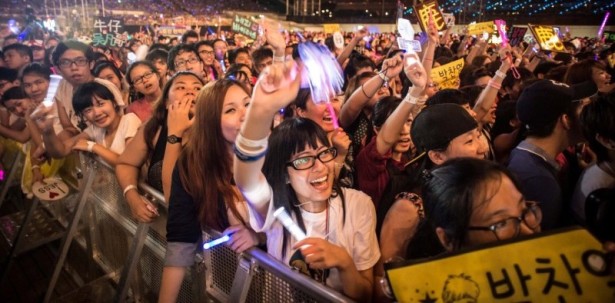
In this stage, the consumer moves from passive observation to active research. YouTube serves as the primary tool for this investigation. The platform’s recommendation engine plays a critical role in deepening engagement by suggesting variety show appearances, "behind-the-scenes" footage, and dance practice videos. This investigative period is crucial for the industry, as it marks the point where a listener transitions from consuming music to consuming personalities. According to industry analysis, the "humanization" of idols through non-musical content is the primary driver of long-term brand loyalty in the K-pop sector.
Total Immersion: The Obsessive Stage and Parasocial Development
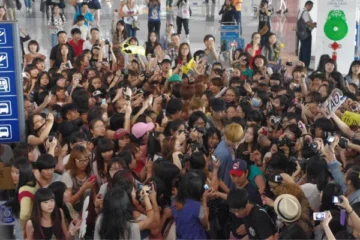
The third stage of the fandom lifecycle is perhaps the most intense: the obsessive stage. This phase is defined by a total immersion into the ecosystem of a specific group or "fandom." It is here that the psychological concept of the "parasocial relationship" becomes most evident. Fans begin to categorize members according to personal preference, utilizing industry-specific terminology such as "bias" (a favorite member) and "bias wrecker" (a member who challenges that preference).

During this period, the fan’s digital behavior changes significantly. Engagement on platforms such as Twitter (now X), Weverse, and Instagram becomes a near-constant activity. The industry facilitates this through a relentless "comeback" cycle—a period of intense promotion involving daily teaser releases, music show performances, and fan-signing events. Data indicates that during a comeback, fan engagement metrics can increase by over 400%, as devotees prioritize supporting their "idols" through digital streaming marathons and social media voting. This stage often leads to the neglect of external social obligations, as the fan’s primary community becomes the digital fandom.
Psychological Conflict: Denial and the Acknowledgement of Dependency
As the intensity of the obsessive stage peaks, fans frequently enter a period of denial regarding the impact of their hobby on their daily lives. The repetitive consumption of content—exemplified by the historical longevity of hits like SHINee’s "Ring Ding Dong"—creates a dopamine loop that can be difficult to break. Friends and family members of the individual may begin to note the disproportionate amount of time and financial resources being dedicated to K-pop, leading to social friction.
The "Acknowledgement Stage" follows when the fan can no longer ignore the tangible consequences of their immersion. These consequences often manifest as academic decline, professional stagnation, or "fandom burnout"—a state of emotional exhaustion caused by the high-pressure environment of online fan communities. At this juncture, many fans undergo a period of self-reflection, assessing whether their emotional well-being has become too dependent on the success or activities of a group of strangers. This realization often leads to a self-imposed "hiatus," where the fan deliberately detaches from social media to regain a sense of "normalcy."

The Cycle of Recovery: Rehabilitation and the Relapse Phenomenon
The rehabilitation stage is a conscious effort by the fan to reintegrate into a non-K-pop-centric lifestyle. This involves re-establishing regular sleep patterns, diversifying music playlists, and engaging in social interactions that do not revolve around Hallyu. For many, this is a successful period of recalibration. However, the K-pop industry is specifically designed to prevent such departures.
The "Relapse Stage" is a common occurrence triggered by major industry events, such as a long-awaited comeback, a world tour announcement, or a group winning a prestigious "Daesang" (Grand Prize) at an award show. The emotional weight of missing a significant milestone for a group they once supported can pull a fan back into active participation. This relapse is often more intense than the initial obsession, as fans may feel a sense of "guilt" for their absence and attempt to compensate through increased spending or digital activity.
Long-term Stabilization: The Balanced Stage versus Renouncement
Ultimately, the lifecycle of a K-pop fan reaches one of two conclusions: a balanced integration or a total renouncement.

The Balanced Stage
The balanced stage represents the most sustainable form of fandom. In this phase, the consumer has learned to navigate the industry’s marketing tactics without succumbing to the pressure of constant engagement. They view K-pop as one of many interests rather than a defining identity. This demographic is highly valued by agencies because they represent "legacy fans"—individuals who provide steady, long-term financial support through album purchases and concert attendance without the volatility associated with younger, more obsessive fans.
The Renouncement
Conversely, the renouncement stage involves a complete departure from the fandom. This is often a natural progression as fans age and their priorities shift toward career or family. However, renouncement can also be the result of negative experiences within the fandom, such as "toxic" online environments, or "disillusionment" caused by scandals or members leaving a group. In these cases, the emotional connection is severed entirely, and the individual ceases to consume K-pop content altogether.
Industry Implications and the Future of Fandom Management
The multi-stage evolution of fandom has profound implications for the global entertainment industry. South Korean entertainment agencies, including HYBE, SM Entertainment, JYP Entertainment, and YG Entertainment, have mastered the art of managing these stages to maximize "Customer Lifetime Value." By providing a constant stream of content that appeals to fans at every stage of the lifecycle—from high-energy music videos for the "Introductory Stage" to intimate vlogs for the "Obsessive Stage"—agencies ensure a revolving door of global consumers.

Furthermore, the rise of "fandom-as-a-service" (FaaS) platforms indicates that the industry is moving toward more structured ways of managing the fan experience. As K-pop continues to influence global fashion, beauty, and language, understanding the psychological journey of the fan becomes essential for brands looking to tap into this highly motivated and organized demographic. While the intensity of the K-pop fandom experience is often criticized, it remains a powerful example of how digital communities and cultural exports can reshape individual identity and global commerce in the 21st century.
The evolution from a confused observer to a "balanced" devotee is a testament to the efficacy of the Hallyu model. Whether a fan remains for a season or a lifetime, the journey through these stages reflects a broader shift in how modern consumers engage with media—moving away from passive listening toward a deep, participatory, and often transformative cultural experience.
Related News