




The South Korean entertainment industry, commonly referred to as Hallyu or the Korean Wave, has long been synonymous with high production values, meticulous choreography, and a specific, highly curated aesthetic. Within this framework, plastic surgery has transitioned from a whispered-about taboo to a central pillar of the industry’s identity. The prevalence of cosmetic enhancement is so ingrained in the cultural fabric that search engine algorithms for popular South Korean celebrities—across platforms like Naver, Daum, and Google—routinely auto-suggest terms such as "before and after" or "plastic surgery" alongside the names of top idols and actors. This phenomenon reflects a broader societal obsession with physical perfection that has significant implications for both public figures and private citizens.
The G.NA and Lee Yoon-suk Debate: Individual Agency vs. Tradition
The discourse surrounding cosmetic procedures recently gained renewed attention following a televised exchange between solo artist G.NA and comedian Lee Yoon-suk. During a variety program discussion, Lee voiced a traditionalist disapproval of his wife undergoing plastic surgery, characterizing such an act as a "violation of their marriage oath." His argument centered on the belief that one should not alter their natural appearance for the sake of self-validation.
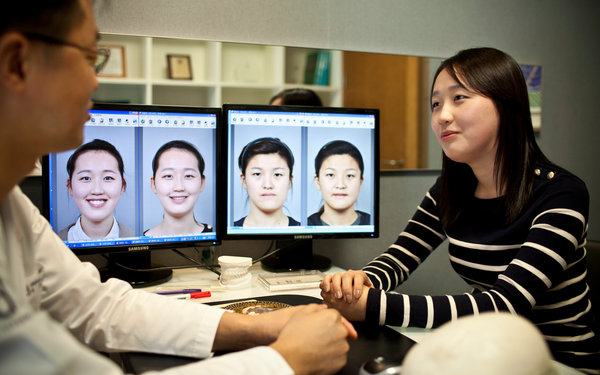
In response, G.NA offered a defense of surgical enhancement rooted in the concept of personal happiness and self-esteem. She cited the example of her grandfather, who she claimed experienced a significant boost in morale and happiness after receiving hair transplants. G.NA argued that if a procedure can eliminate a debilitating insecurity and improve an individual’s quality of life, it should be viewed as a positive tool for self-improvement rather than a moral failing.
While G.NA’s argument focused on personal empowerment, it highlighted the complex tension between individual choice and societal expectations. For many celebrities, the decision to undergo surgery is rarely made in a vacuum; it is often influenced by the intense visual demands of the K-pop industry, where a performer’s marketability is inextricably linked to their physical appearance.
The Miss Daegu 2013 Controversy and the "Clone" Phenomenon
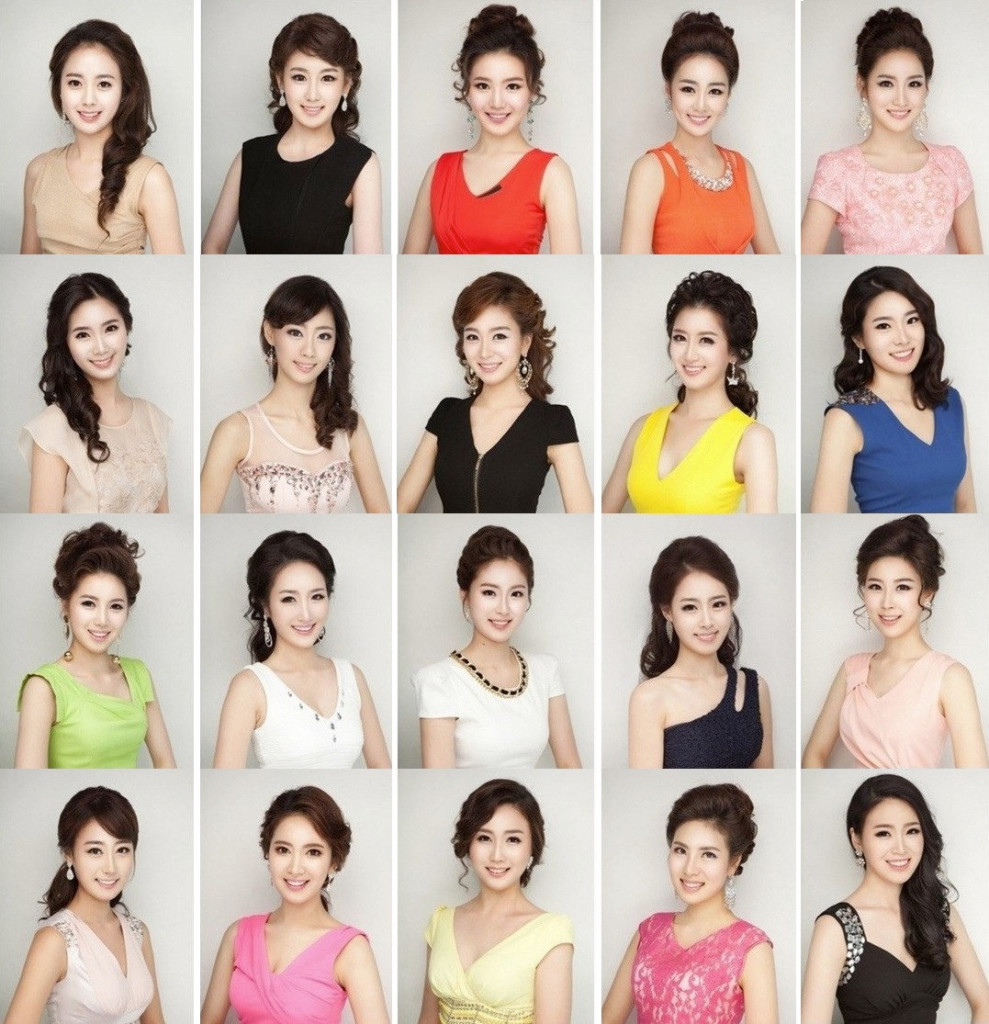
The debate over the homogenization of beauty reached a fever pitch with the release of the official photographs for the Miss Daegu 2013 pageant. The images, featuring twenty candidates vying for the title, sparked international headlines due to the striking physical similarities between the contestants. Observers noted that the women appeared to share nearly identical features: large, almond-shaped eyes with pronounced double eyelids, high and narrow nose bridges, "milky white" skin, and soft, heart-shaped jawlines.

This incident, which went viral globally, served as a visual manifestation of the "Gangnam Face"—a term used to describe the standardized look resulting from popular procedures performed in the Apgujeong district, Seoul’s renowned "beauty belt." The backlash to the Miss Daegu photographs underscored a growing concern that the pursuit of a singular "ideal" was erasing natural diversity and creating a societal "clone" effect. Kwak Ka-hyun, who was ultimately crowned Miss Seoul 2013, faced similar scrutiny, illustrating that even those at the pinnacle of the beauty circuit are not immune to the "plastic" label if their features align too closely with the manufactured ideal.
Statistical Landscape: South Korea as a Global Hub for Cosmetic Surgery
The anecdotal evidence of plastic surgery’s prevalence is supported by significant statistical data. According to reports from the International Society of Aesthetic Plastic Surgery (ISAPS), South Korea has consistently maintained one of the highest rates of plastic surgery procedures per capita in the world. In Seoul, it is estimated that one in five women has undergone some form of cosmetic procedure, compared to approximately one in twenty in the United States.
The infrastructure supporting this industry is immense. The Gangnam district alone houses over 400 specialized clinics, creating a competitive market where advertisements for "V-line" jaw surgery and "double eyelid" procedures are ubiquitous on subways, buses, and billboards. This saturation has normalized the idea of surgery as a routine rite of passage. In many instances, it is reported that high school graduates receive cosmetic procedures as graduation gifts from parents, intended to give them a competitive edge as they enter university or the job market.

The Role of Media and the Idol Industry in Shaping Standards
The K-pop industry plays a pivotal role in disseminating these beauty standards. Idols are often presented as the "perfect" versions of humanity, and their physical attributes are analyzed and celebrated in minute detail. When a celebrity is revealed to have undergone surgery—or conversely, when they are hailed as a "natural beauty"—it becomes a major news event.
However, the industry’s relationship with honesty regarding these procedures remains fraught. While some stars, like SISTAR’s Hyorin or members of Brown Eyed Girls, have been relatively candid about their procedures, many others face pressure to maintain the illusion of natural perfection. This creates an unattainable standard for the public. When the most celebrated figures in the country are surgically enhanced, the "natural" face begins to be viewed as "deficient" or "unprepared" for public life.
Furthermore, the South Korean media landscape lacks a diverse range of body types and facial features in leading roles. While Western media has seen a gradual, albeit imperfect, rise in the celebration of diverse beauty—evidenced by figures like Beyoncé or Tina Fey who challenge traditional narrow aesthetics—the South Korean industry remains largely rigid. Actors or comedians who do not fit the "idol look" are frequently relegated to "gag" roles where their appearance is the primary source of humor. Comedians such as Jung Ju-ri and Kim Shin-young are often the targets of jokes that reinforce the idea that any deviation from the surgical ideal is inherently "ugly" or "unfortunate."
Socio-Economic Implications: "Employment Plastic Surgery"
The impact of these beauty standards extends far beyond the entertainment world and into the professional lives of ordinary citizens. In South Korea, it is common practice for job applicants to include a photograph on their resumes. This has led to the rise of "employment plastic surgery" (chwioeop seonghyeong), where candidates undergo procedures specifically to appear more "trustworthy," "energetic," or "attractive" to potential employers.
In a highly competitive labor market, many young South Koreans feel that a surgical edge is necessary to secure a position. This shifts the perception of plastic surgery from a matter of "personal satisfaction," as G.NA argued, to a matter of economic survival. When society rewards a specific look with better job prospects and social status, the "choice" to get surgery becomes less of an individual preference and more of a systemic requirement.
Official Responses and the Future of the Beauty Discourse
In recent years, there have been nascent signs of a counter-movement. The South Korean government has occasionally stepped in to regulate the most aggressive forms of plastic surgery advertising, particularly in public spaces like subway stations, citing concerns over the psychological impact on teenagers. Additionally, some entertainment agencies have begun to experiment with "natural" branding for certain groups, though these remain the exception rather than the rule.

The discourse is also being shaped by a younger generation that is increasingly vocal on social media about the pressures of "lookism." While the "beauty belt" in Apgujeong continues to thrive, there is a growing intellectual and social pushback against the homogenization of the Korean face.
Conclusion: The Path Toward Aesthetic Pluralism
The prevalence of plastic surgery in South Korea is a multifaceted issue that cannot be reduced to simple vanity. It is a product of a high-pressure society, a media environment that prioritizes a singular aesthetic, and an economic system that rewards physical conformity. While G.NA’s defense of "personal satisfaction" holds weight on an individual level, it fails to account for the systemic pressures that drive people toward the operating table.
For a meaningful shift to occur, the media must move beyond the "plastic surgery vs. natural beauty" binary and begin to celebrate a broader spectrum of appearances. Until diverse faces are given the same platform and glamour as the manufactured ideal, the "vicious cycle" of standardization is likely to continue. The challenge for South Korea in the coming decade will be to reconcile its world-class medical expertise with a cultural environment that values individuality and self-acceptance over surgical uniformity.