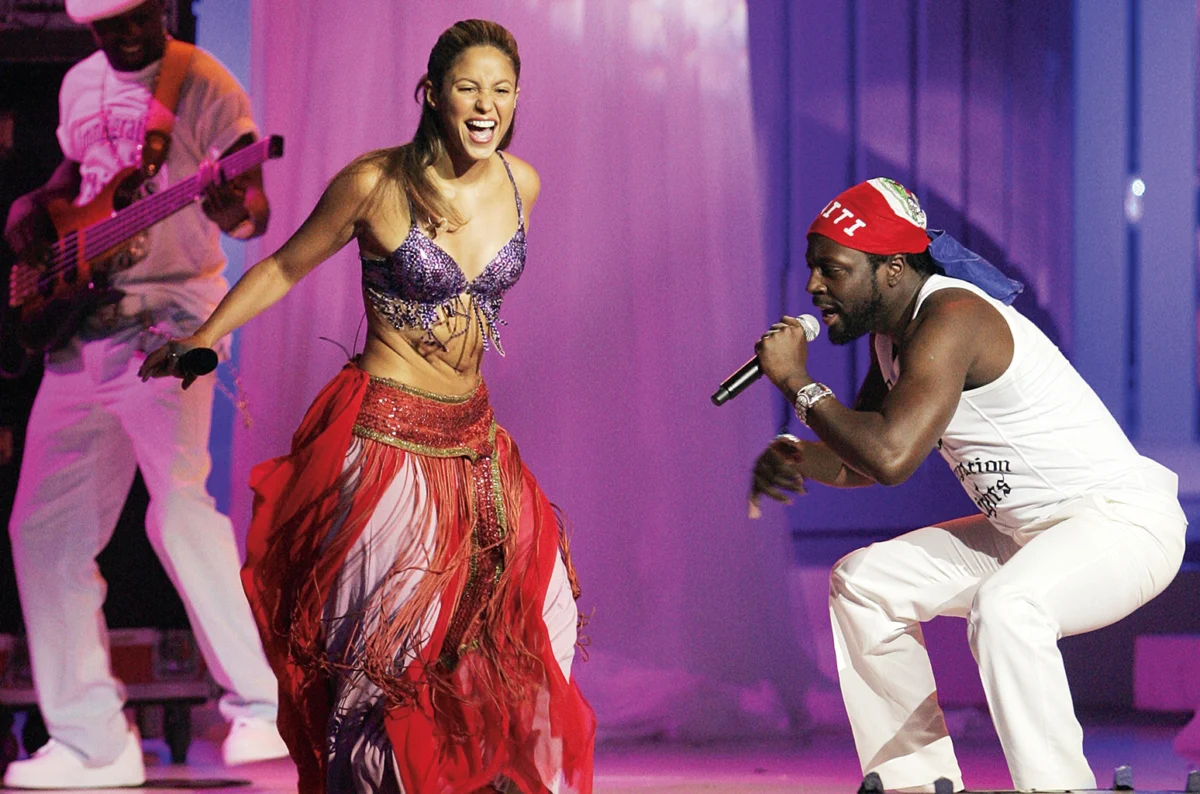
The story behind Shakira’s global phenomenon "Hips Don’t Lie" is a testament to artistic conviction and strategic boldness, a narrative that transformed a hesitant album into a career-defining moment. In a 2016 interview with Billboard, the Colombian superstar reflected on the song’s unconventional path to release, stating, "It was an unconventional song, one that almost didn’t get released." This powerful anthem, a fusion of her Latin roots and global pop sensibilities, not only conquered charts worldwide but also solidified Shakira’s status as an international music icon.
The Rocky Genesis of Oral Fixation, Vol. 2
Shakira’s second English-language studio album, Oral Fixation, Vol. 2, released in 2005, initially struggled to gain traction. Five years after achieving her first Billboard Hot 100 Top 10 hit with "Whenever, Wherever," the album’s lead single, "Don’t Bother," failed to resonate as strongly with audiences, peaking at a disappointing No. 42 on the Hot 100. This lukewarm reception presented a critical juncture for both Shakira and her record label, Sony Music. Instead of proceeding with a second conventional single from the existing material, Shakira opted for a more daring approach, one that would ultimately redefine her career trajectory.
A Bold Pivot: Embracing Heritage and Collaboration
Recognizing the need for a fresh, impactful direction, Shakira returned to the studio with a clear vision. She collaborated with former Fugees member Wyclef Jean, a partnership that proved instrumental in crafting "Hips Don’t Lie." The song was a deliberate departure, infused with the vibrant rhythms of "cumbia and typical Colombian folkloric instrumentation," as Shakira described it. This embrace of her cultural heritage was a conscious choice, aiming to connect with a global audience on a more authentic and personal level. The fusion of these distinct musical elements, combined with Jean’s distinctive production and vocal contributions, created a sound that was both familiar and groundbreaking.
Wyclef Jean, speaking on the creation of the track, has often highlighted the organic nature of their collaboration. He has described how Shakira’s passion and unique artistic vision were the driving forces behind the song’s development. The initial spark for the track is often attributed to Jean’s 2004 solo song "Dance Like This," which provided a melodic and rhythmic foundation that Shakira and Jean then re-imagined and expanded upon. The synergy between the two artists was palpable, resulting in a track that possessed an undeniable energy and infectious appeal.

The Unprecedented Request: Repackaging a Hit
Shakira’s belief in "Hips Don’t Lie" was not merely hopeful; it was absolute. So convinced was she of its potential that she made an audacious request to the head of her record label, Sony. In her own words, she recalled, "I called up the head of my record label [Sony] and told him, ‘I’ve never made a request like this, but you need to recall all the albums I’ve just released and repackage them to include this new song. It’s a song that’s going to change everything.’" This was an extraordinary demand in the music industry, requiring a significant logistical and financial undertaking. It demonstrated Shakira’s unwavering confidence in the song’s ability to not only salvage but elevate the album’s performance.
The label, recognizing the immense talent and persuasive power of Shakira, ultimately acquiesced. The decision to recall and repackage millions of units of Oral Fixation, Vol. 2 was a gamble, but one that paid off handsomely. The revised album, now featuring the powerful addition of "Hips Don’t Lie," was rereleased on March 28, 2006.
Chart Domination and Global Acclaim
The impact of "Hips Don’t Lie" was immediate and seismic. Shakira’s prediction proved remarkably accurate. The repackaged Oral Fixation, Vol. 2 experienced a dramatic resurgence on the Billboard 200, soaring from No. 98 to No. 6 in the chart dated April 15, 2006. This meteoric rise signaled a significant shift in the album’s fortunes, driven almost entirely by the strength of the new single.
"Hips Don’t Lie" itself embarked on an even more impressive ascent. The song quickly became a global sensation, captivating audiences with its pulsating beat, Shakira’s distinctive vocals, and Wyclef Jean’s dynamic contribution. It achieved the pinnacle of commercial success, topping the Billboard Hot 100 chart on June 17, 2006, and remaining there for two consecutive weeks. This marked a historic milestone for both Shakira and Wyclef Jean, becoming their first and, to date, only No. 1 hit on the prestigious Hot 100 chart.
The song’s success was not limited to the United States. "Hips Don’t Lie" dominated airwaves and charts across the globe, becoming one of the best-selling singles of the 21st century. Its infectious rhythm transcended language barriers, solidifying Shakira’s position as a truly international artist. The music video, a vibrant and energetic portrayal of the song’s themes, further amplified its reach, becoming a staple on music television channels worldwide.

Statistical Significance and Enduring Legacy
The commercial and cultural impact of "Hips Don’t Lie" continues to resonate decades later. According to data from Luminate, the song has accumulated staggering figures in the United States alone: 2.1 billion in radio airplay audience, 1.4 billion official streams, and 4 million digital sales. Its success also extended to Latin music charts, where its eight-week reign atop the Hot Latin Songs chart significantly contributed to Shakira’s recognition as one of Billboard’s Top Latin Artists of the 21st Century.
The song’s enduring appeal can be attributed to its unique blend of cultural influences, its empowering message, and its sheer danceability. It represented a moment where an artist unapologetically embraced her roots, and in doing so, achieved unprecedented global success. The track became more than just a hit song; it became a cultural phenomenon, synonymous with Shakira’s artistic identity.
A Defining Moment of Artistic Validation
For Shakira, the overwhelming success of "Hips Don’t Lie" represented a profound personal and professional validation. It confirmed her belief that artistic integrity and global appeal were not mutually exclusive. In her own words, the song’s triumph was "validation that I didn’t have to sacrifice any part of what makes me different to connect with a global audience." This realization empowered her to continue exploring diverse musical styles and cultural expressions throughout her career, reinforcing her commitment to authenticity.
The song’s impact also paved the way for future successes and accolades. In 2025, Shakira was honored with the inaugural Billboard Global Touring Icon Award, a testament to her sustained influence and her ability to connect with fans through live performances, including her acclaimed Las Mujeres Ya No Lloran World Tour. This award further underscored her status as a formidable force in the music industry, a testament to a career built on innovation, resilience, and an unwavering dedication to her craft.
The story of "Hips Don’t Lie" is a compelling reminder of the power of taking creative risks. It is a narrative that highlights the importance of staying true to one’s artistic vision, even in the face of initial uncertainty. Shakira’s audacious decision to demand a repackaging of her album, fueled by her conviction in a single song, not only transformed the fortunes of Oral Fixation, Vol. 2 but also cemented her legacy as one of the most influential and successful artists of her generation. The song’s infectious rhythm and celebratory spirit continue to inspire and move audiences, a lasting testament to its unconventional journey and its ultimate triumph.