
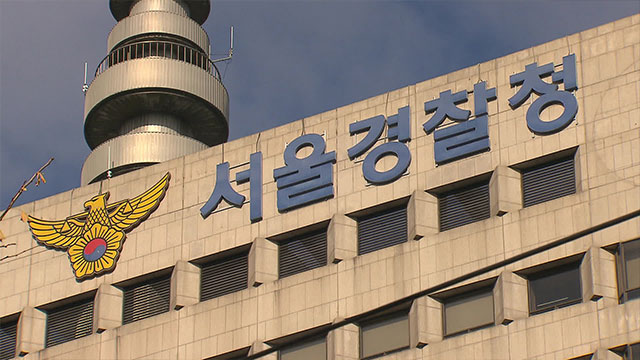
The Seoul Metropolitan Police Agency has escalated a significant case involving the alleged non-consensual distribution of intimate videos, forwarding a prominent tennis coach and former television personality, identified only as "Man A," to prosecution without detention late last month. This development, first reported by Money Today on June 14, 2026, details charges under the Act on Special Cases Concerning the Punishment of Sexual Crimes, specifically relating to the illicit sharing of private content. The scandal has drawn widespread attention due to the public profiles of the individuals involved, further igniting discussions around digital sex crimes, often referred to as "molka" in South Korea, and the pervasive issue of consent in the digital age.
Allegations and Initial Investigations
"Man A," described as being in his 30s, is accused of distributing videos depicting himself engaging in sexual acts with his then-girlfriend, "Woman B," to a third party, "Woman C," without "Woman B’s" explicit consent. The alleged incidents reportedly transpired on multiple occasions between mid-2024 and April 2025. "Man A" boasts a notable background, having been a former tennis player for a corporate team before transitioning into a coaching role. His public visibility was further enhanced through appearances in various films and television variety programs, lending a high-profile dimension to the allegations.

The investigation conducted by the Seoul Metropolitan Police Agency unearthed crucial evidence supporting the charges of violating the Act on Special Cases Concerning the Punishment of Sexual Crimes. While the initial police probe did not forward "Man A" on separate charges of illegal filming under the same law, citing insufficient evidence at that stage, "Woman B," the alleged victim, has since taken proactive steps. She has reportedly submitted additional evidence to the investigative authorities and formally requested a supplementary investigation, alongside an inquiry into potential additional offenses, underscoring her resolve to seek comprehensive justice. "Man A," when confronted with the accusations, stated that he is "gathering materials and discussing the matter with a lawyer," and has reportedly not issued an apology to "Woman B."
The Involvement of "Woman C" and Her Role
The case gained an additional layer of complexity with the involvement of "Woman C," who is identified as the wife of a popular YouTube content creator. Her husband was once a member of a famous singing duo, placing "Woman C" herself within a sphere of public recognition. Reports indicate that "Woman C" had a long-standing acquaintance with "Man A." She was also forwarded to prosecution on charges of possessing or viewing filmed material distributed without consent, a direct violation of the same Act. However, prosecutors ultimately issued a suspended indictment against her. This legal outcome means that while charges were acknowledged, "Woman C" will not face a formal conviction if she adheres to specific conditions over a designated period, typically involving probation and good behavior.
The details surrounding "Woman C’s" involvement reveal a deeper engagement than merely passive reception. According to the report, while receiving the non-consensual videos and photos, "Woman C" allegedly exchanged messages with "Man A" discussing "Woman B’s" body and, disturbingly, even requested additional material. This interaction casts doubt on her subsequent explanation. "Woman C’s" representatives acknowledged that she received the videos, but offered a defense, stating, "A suddenly sent the videos to multiple people, including his wife," and added that "She was flustered and did not think to stop him." This claim, however, appears to be contradicted by the alleged exchange of messages and requests for more content. Furthermore, regarding an apology to the victim, "Woman C’s" side initially claimed, "She does not know who the victim is, so once things are sorted out, she will likely apologize." This assertion has reportedly been disproven, as it has been confirmed that "Woman C" had already communicated with "Woman B."

Potential for Additional Victims and Broader Implications
A particularly alarming aspect of the ongoing investigation is the discovery of signs suggesting there may be at least two additional victims beyond "Woman B." This finding significantly broadens the scope and gravity of the alleged offenses, transforming it from an isolated incident into a potentially systemic pattern of abuse. The police are presumably exploring these leads as part of the expanded investigation requested by "Woman B."
This case is unfolding against a backdrop of increasing public awareness and governmental action concerning digital sex crimes in South Korea. The "Act on Special Cases Concerning the Punishment of Sexual Crimes," particularly its provisions addressing the distribution of non-consensual intimate imagery, has been strengthened over recent years to combat the pervasive issue of "molka" — secretly filmed or distributed intimate videos. The law imposes severe penalties, including lengthy prison sentences and substantial fines, for those who film or distribute intimate content without consent. Even the act of possessing or viewing such material, as in "Woman C’s" case, carries legal consequences, reflecting society’s zero-tolerance stance towards such violations of privacy and dignity.
The legal journey of "Man A" and "Woman C" serves as a stark reminder of the evolving challenges presented by digital platforms and the critical importance of consent. For "Man A," a public figure, the charges carry not only legal ramifications but also significant reputational damage that could impact his career and public standing indefinitely. The decision by the prosecution to forward him without detention suggests that while the charges are serious, he may not be considered an immediate flight risk or a danger to others in a way that warrants pre-trial incarceration, though this does not diminish the severity of the allegations.
For "Woman C," the suspended indictment, while avoiding immediate imprisonment or a formal conviction, still marks a serious legal proceeding that will undoubtedly impact her public image, especially given her ties to a popular YouTuber. Her defense, particularly the claim of being "flustered" and unaware of the victim, will likely face intense scrutiny in light of the reported evidence of active engagement in the exchange of materials and prior communication with "Woman B." This aspect of the case underscores the legal and ethical responsibilities of individuals who receive or possess non-consensual intimate imagery, emphasizing that complicity, even passive, can have severe legal consequences.
Societal Context and the Fight Against Digital Sex Crimes
South Korea has been at the forefront of tackling digital sex crimes, driven by strong public outcry and robust activism from women’s rights groups. The term "molka" has become synonymous with a pervasive societal problem, leading to numerous legislative reforms aimed at protecting victims and punishing offenders more severely. Cases involving public figures, such as this one, often draw immense media attention, serving as potent catalysts for further public discourse and legal reform. They highlight the vulnerability of individuals to such crimes, irrespective of their relationships with the perpetrators, and the long-lasting psychological trauma inflicted upon victims.
The victim, "Woman B,"’s decision to submit additional evidence and request further investigation is a testament to the courage often required to seek justice in such sensitive cases. It reflects a growing trend where victims are empowered to come forward, challenge initial investigative findings, and demand comprehensive accountability. The lack of an apology from "Man A" further complicates the victim’s healing process and may be viewed unfavorably by both the public and the courts as the legal proceedings continue.

This case also touches upon the broader ethical responsibilities of online content creators and those associated with them. The fact that "Woman C" is linked to a popular YouTuber places an additional spotlight on the incident, prompting questions about the influence and accountability of figures within the digital media landscape.
As the legal process unfolds, this high-profile case is poised to contribute significantly to the ongoing national conversation about consent, digital privacy, and the imperative to create a safer online environment. The outcomes for "Man A" and "Woman C" will be closely watched, not just for their legal implications but also for the precedents they may set in the continuing battle against digital sex crimes in South Korea. Stay tuned for further updates as this complex and sensitive case progresses through the judicial system.