Viral Video Alleging Mark Lee’s Fall In Popularity At Event Triggers Heated Debate
Article Editorial Team
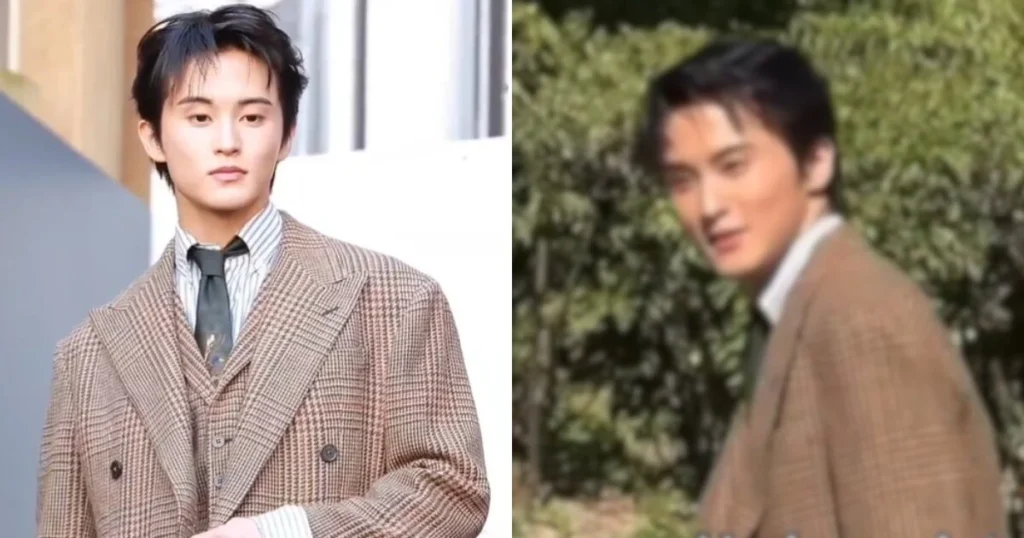
A recent viral video accusing K-pop idol Mark Lee of experiencing a significant decline in popularity at a high-profile industry event has ignited a fervent and widespread debate across various social media platforms. The controversial clip, which rapidly gained traction, purported to show a stark contrast in crowd reception between Lee and fellow idol Jay from ENHYPEN, suggesting a lukewarm response for the veteran artist. This insinuation, however, was swiftly challenged by a formidable counter-movement of fans and observers who presented extensive "proof" to dismantle the video’s claims, highlighting the often-manipulative nature of online content and the fierce loyalty of K-pop fandoms.
The Prestigious Ralph Lauren Event: A Convergence of Global Talents
The focal point of this online contention was an exclusive event hosted by luxury fashion powerhouse Ralph Lauren, which took place on September 15, 2026. These events are highly anticipated affairs in the global fashion calendar, serving as crucial platforms for brands to showcase new collections, celebrate partnerships, and engage with key influencers and media. In recent years, K-pop idols have become indispensable figures at such gatherings, lauded for their immense global reach, trendsetting influence, and unparalleled ability to generate buzz. Their presence at luxury fashion events is not merely ceremonial; it signifies strategic collaborations aimed at bridging cultural divides and expanding market penetration for both the idols and the brands they represent.

Mark Lee, a prominent member of SM Entertainment’s globally renowned group NCT, and its various sub-units including NCT 127 and NCT Dream, as well as the supergroup SuperM, was a highly anticipated guest. Known for his multifaceted talents as a rapper, singer, and dancer, Lee has cultivated a massive and dedicated fanbase worldwide throughout his extensive career. His attendance at the Ralph Lauren event was consistent with his status as a leading figure in K-pop, often seen gracing high-profile brand activations.
Similarly, Jay, a member of the rapidly ascending HYBE Labels group ENHYPEN, also attended the event. ENHYPEN has quickly established itself as a global force since its debut, garnering significant attention and a passionate following, particularly in the youth demographic. Their participation in such events underscores their burgeoning influence in both the music and fashion industries. The presence of two such prominent idols from different generations and agencies naturally draws considerable attention, making any perceived comparison ripe for online discussion.
Chronology of a Viral Controversy: From TikTok Clip to Fandom Mobilization
The controversy erupted almost immediately following the Ralph Lauren event. A TikTok video, posted by a user identified as "@austrailianboyjake," quickly went viral. The video specifically juxtaposed brief clips of Mark Lee and Jay arriving at the event, with the audio seemingly amplifying cheers for Jay while presenting an almost silent backdrop for Lee’s appearance. The video’s caption and accompanying commentary explicitly suggested that Mark Lee’s popularity was waning, implying a diminished public reaction compared to Jay’s purportedly overwhelming reception. This narrative struck a nerve, particularly within the highly competitive and sensitive K-pop fandom landscape.

The initial reaction to the TikTok video was sharply divided. A segment of netizens, some of whom appeared to be anti-fans or members of rival fandoms, readily embraced the narrative, using the video as ammunition to mock Mark Lee and his perceived standing. Comments ranged from direct insults to sarcastic remarks about his alleged "decline." However, this wave of criticism was met with an equally forceful, if not more organized, pushback from Mark Lee’s dedicated fanbase, known as NCTzens.
NCTzens and Mark Lee’s personal fans swiftly mobilized across social media platforms, most notably on X (formerly Twitter). Within hours, a deluge of counter-evidence began to surface. Fans shared alternative videos, longer fancams, and multiple angles of Mark Lee’s arrival and interactions at the Ralph Lauren event. These clips consistently depicted a vibrant and enthusiastic crowd, with audible cheers, screams, and camera flashes accompanying his every move. Many of these fan-shot videos provided a wider perspective, demonstrating that the initial TikTok clip was either heavily edited, selectively cropped, or manipulated with altered audio to create a misleading impression.
Tweets like "Okay but why these people are lying??? Most of the fans on today’s event were markfs and you can hear crowd cheering so loud whenever Mark appeared, when Mark was posing" and "meanwhile the reality is magazine staff, media staff, and the crowd there immediately cheered for mark lee" rapidly gained traction, accumulating thousands of likes and retweets. Another tweet emphatically stated, "they want mark’s downfall so bad and it’s NEVER coming lmao the crowd and the hype was literally there," encapsulating the sentiment of defiance and protection among Lee’s supporters. This rapid deployment of factual counter-evidence underscored the power of organized fandoms in shaping and correcting online narratives.
Analyzing the Evidence: The Dynamics of Digital Misinformation

The incident serves as a compelling case study in the challenges of digital media literacy and the rapid spread of misinformation. The initial viral TikTok video, like many others of its kind, leveraged several common tactics to create a false impression. These include:
- Selective Editing and Cropping: Shortening clips to remove periods of intense crowd reaction or focusing on specific, less dynamic moments.
- Audio Manipulation: Muting original audio or overlaying quiet ambient sounds to give the impression of silence, while simultaneously enhancing audio for comparison clips.
- Decontextualization: Presenting a moment without its broader context, such as the specific timing of an idol’s arrival, crowd control measures, or the general flow of an event.
Conversely, the "proof" presented by Mark Lee’s fans highlighted the crucial role of diverse perspectives in verifying online content. The fan-shot videos, often raw and unedited, captured wider scenes, longer durations, and different angles, offering a more comprehensive and arguably more accurate depiction of the event. The collective effort of fans to compile and disseminate this counter-evidence demonstrates the robust internal monitoring and self-correction mechanisms that often exist within K-pop fandoms, particularly when an idol’s reputation is perceived to be under attack.
The rapid spread and subsequent debunking of the TikTok video also underscore the intense, sometimes volatile, dynamics of social media platforms like TikTok and X. These platforms, characterized by their algorithmic amplification and rapid content sharing, can quickly transform a single, unverified clip into a widespread narrative, regardless of its factual basis. For K-pop, where fandom identity is strong and rivalries can be intense, these platforms often become battlegrounds for narrative control, with fans acting as both content creators and vigilant defenders.
Broader Impact and Implications: Navigating the Digital Reputation Landscape
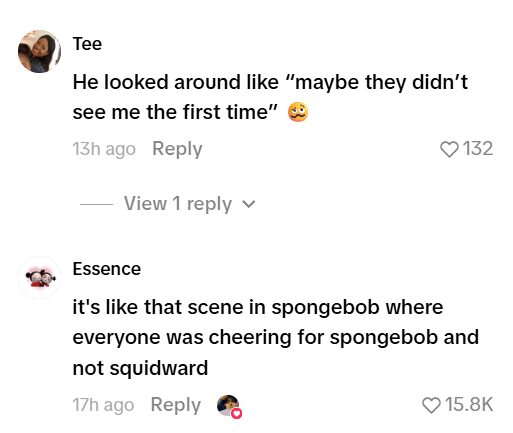
While the immediate controversy around Mark Lee’s popularity was largely debunked by fan efforts, such incidents carry broader implications for idols, agencies, and the digital landscape as a whole.
- Lingering Reputational Damage: Even when disproven, viral misinformation can leave a residual negative impression, especially among casual observers who may not delve into the counter-arguments. The "first impression" created by a viral video can be difficult to fully erase, requiring sustained efforts from fans and potentially the idol’s agency to reinforce a positive image.
- The "Popularity Contest" Culture: The K-pop industry is inherently competitive, with idols and groups often scrutinized through metrics of popularity, album sales, streaming numbers, and public reception. This environment fosters a culture where perceived slights or comparative "falls" in popularity are eagerly seized upon by detractors, and fiercely defended by supporters. The Mark Lee incident is a clear manifestation of this ongoing "popularity contest."
- Mental Health and Idol Welfare: The constant scrutiny and the potential for targeted online attacks can take a significant toll on idols’ mental health. Agencies are increasingly tasked with not only managing careers but also protecting their artists from the adverse effects of online toxicity and misinformation campaigns. While Mark Lee himself has not publicly commented on the incident, the implicit pressure on idols to maintain an image of unwavering popularity is immense.
- The Power of Fandoms: The incident powerfully illustrates the dual role of K-pop fandoms. While they can be a source of immense support and driving force behind an idol’s success, they can also contribute to the intensity of online debates and "fan wars." However, in this case, the organized and rapid response of NCTzens served as an effective defense mechanism against a misleading narrative, demonstrating their critical role in safeguarding an idol’s public image.
- Media Literacy in the Digital Age: The controversy highlights the critical importance of media literacy for all internet users. The ease with which content can be manipulated and shared underscores the need for critical thinking, source verification, and an understanding of how algorithms and echo chambers can shape perception.
- Agency Response Strategies: While K-pop agencies rarely issue direct statements on every viral rumor, they continuously monitor online discourse. In cases of clear defamation or coordinated attacks, agencies often take legal action. The rapid self-correction by fans in this instance likely mitigated the need for an official agency response, allowing them to focus on broader brand management.
Ultimately, the viral video alleging Mark Lee’s fall in popularity at the Ralph Lauren event serves as a potent reminder of the volatile and often deceptive nature of online discourse in the digital age. Despite initial attempts to construct a narrative of decline, the concerted efforts of his dedicated fanbase effectively debunked the claims with overwhelming counter-evidence. This incident underscores the ongoing battle for narrative control in the highly scrutinized world of K-pop, where misinformation can spread rapidly, but where organized and vigilant fandoms often stand as the first and most effective line of defense for their beloved artists. The saga reinforces the notion that in the age of hyper-connectivity, a nuanced understanding of digital content and its potential for manipulation is more crucial than ever.
Related News