The iconic Statue of Liberty, a beacon of hope and a symbol of American ideals, underwent a profound restoration leading up to its centennial in 1986. Coinciding with this momentous occasion, Willie Nelson’s rendition of David Lynn Jones’s "Living in the Promiseland" ascended to the number one position on Billboard’s Hot Country Songs chart for the week of June 28, 1986. This patriotic anthem, with its lyrical echoes of Emma Lazarus’s famed sonnet inscribed at the statue’s pedestal, resonated deeply with a nation celebrating the renewed grandeur of its most recognizable landmark. The song’s chart dominance further solidified its place in the cultural zeitgeist as America prepared for the monumental Liberty Weekend festivities.
A Song Born of Immigration and Patriotism
The genesis of "Living in the Promiseland" is as compelling as its lyrical content. Songwriter David Lynn Jones reportedly penned the majority of the song in a mere fifteen minutes, inspired by the experiences of Vietnamese and Cuban immigrants who arrived in the United States during the tumultuous decades of the 1970s and 1980s. These individuals, seeking refuge and opportunity, embodied the very spirit of the Statue of Liberty’s enduring message: "Give me your tired, your poor, Your huddled masses yearning to breathe free." Jones, however, would take another five years to complete the song. Its journey to Nelson’s repertoire was serendipitous, involving a demo tape passed along by bassist Bee Spears, who encountered Nelson on a golf course.
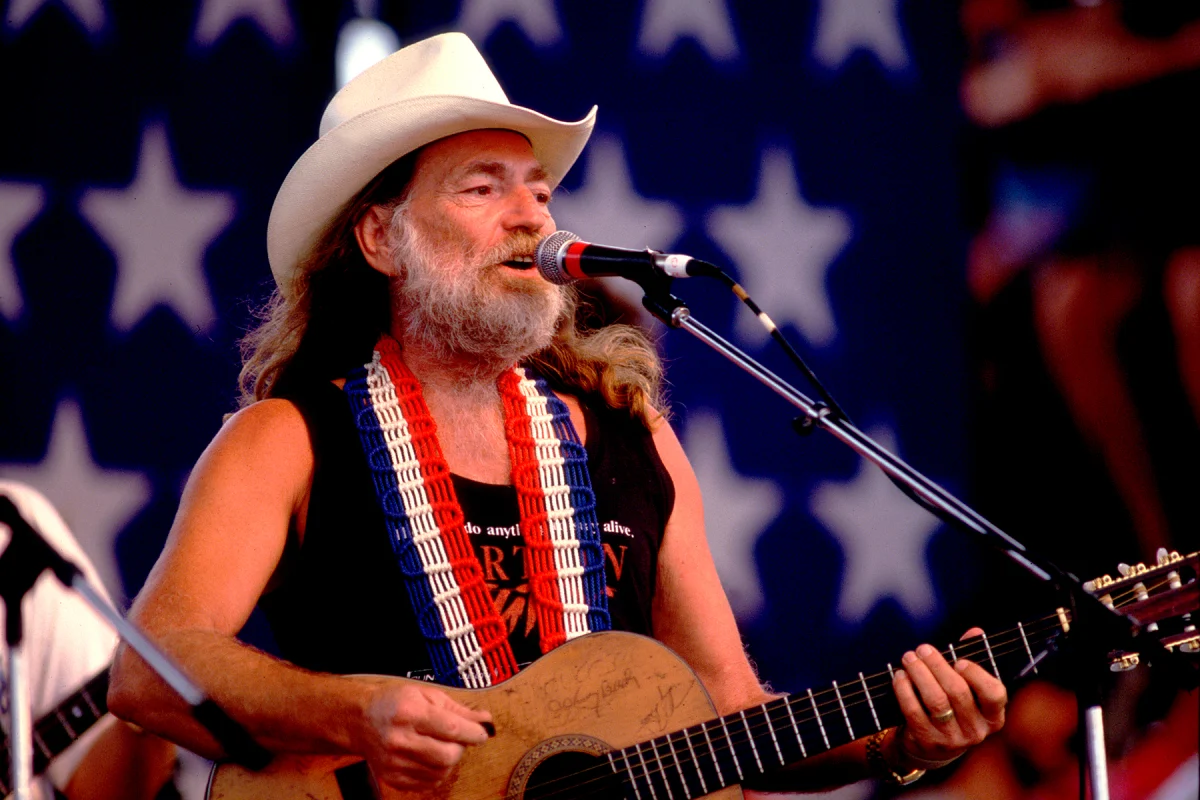
Nelson, known for his profound connection to American values and his own experiences as an artist who forged his path against convention, recognized the song’s inherent power. He famously described it as "the best patriotic song I ever heard." His recording of "Living in the Promiseland" took place on Thanksgiving Day in 1985, a fitting day for reflection on blessings and national identity. The song debuted on the Billboard charts on March 29, 1986, and its steady climb culminated in its fourteen-week ascent to the pinnacle of country music success.
Related Articles
Chart Dominance and a Nation’s Celebration
The timing of "Living in the Promiseland’s" chart-topping performance was remarkably prescient. The Statue of Liberty had been undergoing an extensive, two-year restoration project, meticulously preserving and enhancing the monument that had welcomed millions. As the scaffolding that enveloped the colossal copper figure was finally removed, revealing its renewed splendor, Nelson’s song was already a significant presence on the airwaves.
The chart dated June 28, 1986, marked the song’s zenith, placing it at the coveted number one spot. It continued to hold a strong position, ranking at number 15 on the July 5 chart, a testament to its sustained popularity. This coincided precisely with the national celebration of Liberty Weekend, a multi-day event held from July 3rd to July 6th, 1986, marking the Statue of Liberty’s centennial anniversary. Nelson’s performance of "Living in the Promiseland" was a featured part of this historic occasion.
A Symphony of Patriotism: Liberty Weekend and Farm Aid II
The culmination of the Statue of Liberty’s restoration was celebrated with a series of events that captured the nation’s attention. Liberty Weekend, a televised spectacle, brought together a diverse array of performers and dignitaries to honor the enduring symbol of freedom. Willie Nelson was a prominent figure in these celebrations.
On July 4, 1986, Independence Day, Nelson performed a duet of "Living in the Promiseland" with David Lynn Jones himself at Farm Aid II. This benefit concert, held in Austin, Texas, aimed to raise awareness and support for American farmers facing economic hardship. The performance at Farm Aid II, a significant cultural event in its own right, amplified the song’s message of hope and resilience.
The following day, July 6th, Nelson reprised his performance of "Living in the Promiseland" during the closing ceremony of Liberty Weekend. This event, broadcast live as an ABC special from Giants Stadium in New Jersey, reached millions of households across the United States. The song, delivered against the backdrop of the newly unveiled Statue of Liberty, served as a powerful musical expression of national pride and renewed optimism. The visual of Nelson, a beloved figure in American music, singing a song that so eloquently captured the nation’s immigrant heritage and its enduring promise, provided a poignant and unforgettable moment for viewers.
Enduring Legacy and Contemporary Resonance
The impact of "Living in the Promiseland" extends beyond its 1986 chart success and its role in the Statue of Liberty’s centennial. The song’s themes of opportunity, hope, and the welcoming spirit of America continue to resonate. Its enduring appeal has led to its reinterpretation and performance by contemporary artists, keeping its message alive for new generations.
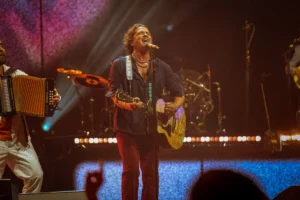
More recently, in 2024, the song experienced a resurgence in popular consciousness. Chris Stapleton, a critically acclaimed country artist, performed "Living in the Promiseland" on CBS’s The Late Show With Stephen Colbert on May 6th. Notably, Stapleton was accompanied by harmonica player Mickey Raphael, who had also played on Willie Nelson’s original recording of the song. This collaboration underscored the song’s continued relevance and its connection to both its original roots and the modern country music landscape.
Furthermore, a clip of "Living in the Promiseland" was used to introduce Nelson’s set during his performance at the Fourth of July Picnic in Austin earlier that year. This deliberate inclusion highlighted the song’s status as a cornerstone of Nelson’s patriotic repertoire and its deep connection to the spirit of American independence. These contemporary performances and usages demonstrate that the ideals embodied in "Living in the Promiseland" remain potent and relevant in the ongoing narrative of the American experience.
The Historical Context: A Nation at a Crossroads
The mid-1980s were a period of significant cultural and political shifts in the United States. The nation was emerging from a decade marked by economic uncertainty, social introspection, and evolving geopolitical landscapes. The Statue of Liberty, a symbol that had stood for a century, represented continuity and the enduring promise of the American dream. Its restoration and centennial celebration provided a much-needed moment of national unity and reflection.
The influx of immigrants in the preceding decades had reshaped the demographic and cultural fabric of the nation. The song’s acknowledgment of these new Americans, and its connection to the foundational principles of immigration that the Statue of Liberty represents, spoke to a nation grappling with its identity and its role in the world. Nelson’s popularity and his authentic voice lent considerable weight to the song’s message, making it a powerful anthem for a nation embracing its diverse heritage.
The economic challenges faced by farmers during this era, as highlighted by the Farm Aid concerts, added another layer of significance to the song’s themes of struggle and perseverance. "Living in the Promiseland" offered a message of hope and resilience, suggesting that even in challenging times, the promise of a better future remained attainable.
Analysis of Impact and Implications
The confluence of Willie Nelson’s chart success, the Statue of Liberty’s centennial, and the broader cultural context of the mid-1980s created a unique moment where a song could transcend its genre and become a national touchstone. "Living in the Promiseland" did more than just top the country charts; it became an unofficial anthem for a nation celebrating its heritage and its future.
The song’s success highlights the power of music to encapsulate and amplify national sentiment. Nelson’s ability to connect with a broad audience, regardless of their musical preferences, allowed the song’s message of hope and opportunity to reach far beyond the country music sphere. The lyrical connection to Emma Lazarus’s poem further cemented its patriotic resonance, linking it to a historical and literary tradition that defines American ideals.
The enduring popularity of "Living in the Promiseland" and its continued performance by artists like Chris Stapleton suggest that the themes it addresses – immigration, opportunity, and the pursuit of a better life – remain central to the American narrative. The song serves as a reminder that the "promiseland" is not a static destination but a continuous aspiration, built on the contributions and dreams of generations of people seeking refuge and opportunity.
In conclusion, Willie Nelson’s "Living in the Promiseland" achieved not only commercial success in 1986 but also a profound cultural significance. Its ascent to number one on the country charts, perfectly timed with the revitalized Statue of Liberty’s centennial celebration, transformed it into a powerful expression of American identity, hope, and the enduring promise of a nation built by immigrants. The song’s continued relevance underscores the timeless appeal of its message and its ability to connect with the core values that define the United States.