Woman Exposes Her “Romance” With Actor Lee Dong Wook, Larger Issue Uncovered
Article Editorial Team
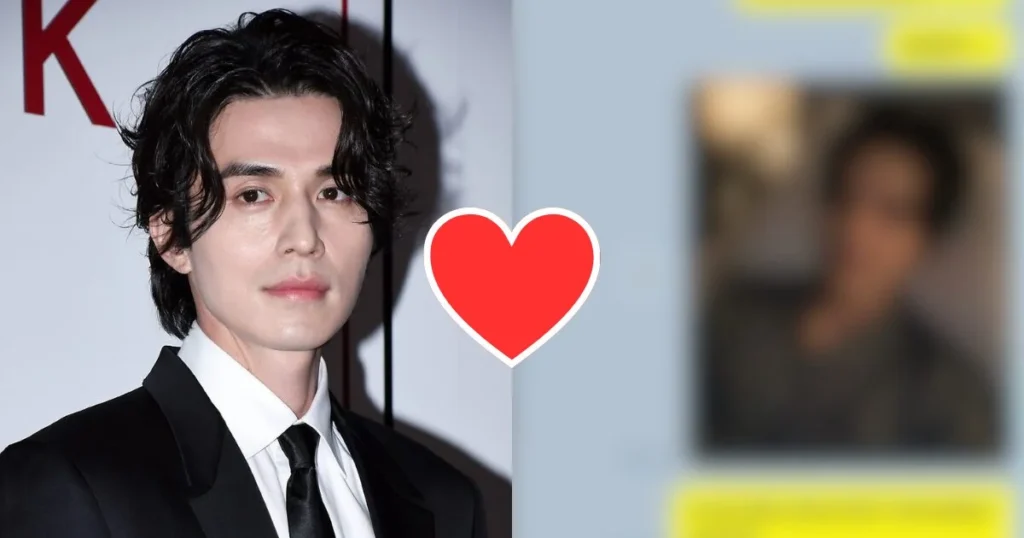
The digital landscape, while offering unprecedented connectivity, has simultaneously become fertile ground for sophisticated deceptive practices, chief among them being online romance scams. These intricate frauds prey on emotional vulnerabilities, with perpetrators often impersonating well-known figures to lend credibility to their fabricated identities. Actor Lee Dong Wook, a prominent figure in the South Korean entertainment industry, has recently found himself an unwitting central figure in such a scheme, brought to light by a woman in her 30s who publicly detailed her year-long "relationship" with an individual she believed to be the star, resulting in significant financial losses. This incident, reported by SBS, underscores a rapidly escalating global crisis of online identity theft and financial fraud, exacerbated by advancements in artificial intelligence.
The Anatomy of a Digital Deception
Romance scams represent a particularly insidious form of online fraud, distinguished by their long-term emotional manipulation rather than quick, overt coercion. Scammers invest weeks, months, or even years in building a deep, personal connection with their targets, often initiating contact on dating apps, social media platforms, or even gaming sites. They craft elaborate backstories, often involving military service, international business, or, in this case, celebrity status, to explain their inability to meet in person. The goal is to cultivate a strong emotional bond, commonly referred to as "love bombing," where the scammer showers the victim with affection, compliments, and promises of a shared future. This intense emotional investment makes victims more susceptible when the inevitable financial requests begin.
In the case involving Lee Dong Wook, the perpetrator leveraged the actor’s public image and established fan base to create a believable, albeit entirely false, persona. Celebrities, with their public profiles and widespread recognition, offer a unique advantage to scammers. Their images are readily available, their lives are often discussed in public forums, and the very notion of a private connection with such a figure can be incredibly alluring and flattering to a potential victim. The perceived glamour and exclusivity of dating a celebrity can override logical skepticism, especially when the scammer masterfully mimics the emotional intimacy of a genuine relationship. The scammer’s modus operandi included regular communication, endearing pet names like "honey" and "jagiya," and even discussions about meeting families, creating a profound sense of legitimacy and commitment for the victim.
The Victim’s Account and Financial Toll

The unnamed woman, in her 30s, recounted her harrowing experience, revealing that she had been led to believe she was in a romantic relationship with Lee Dong Wook for over a year. During this period, she transferred substantial sums of money, totaling approximately ₩35.0 million KRW (roughly $25,400 USD), to the individual she thought was the actor. Her trust was so profound that she broke into her regular savings account, diverting funds meant for her living expenses, to fulfill the scammer’s requests. The financial requests often begin small, testing the waters, before escalating. Common pretexts include medical emergencies, travel expenses to finally meet the victim, business failures, or, as often seen with celebrity impersonations, "secret" investments or financial difficulties that need discreet handling to protect their public image.
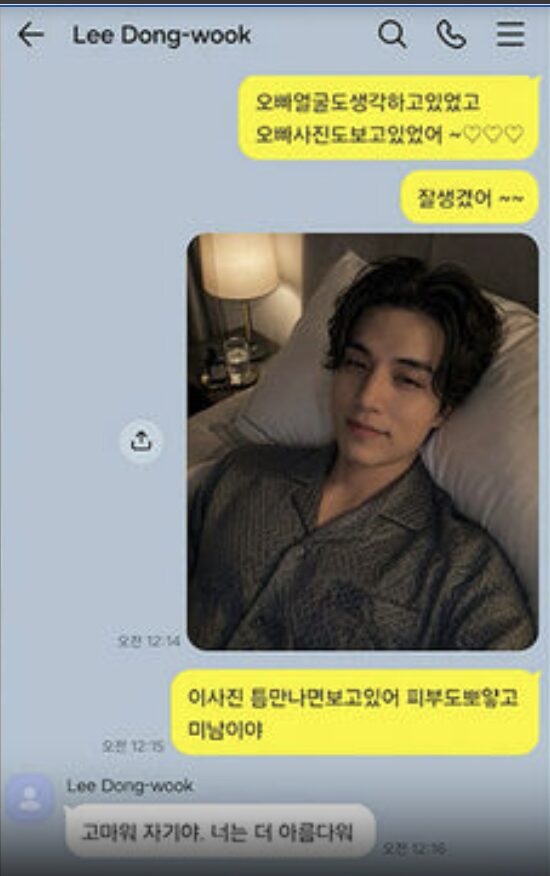
The emotional toll on victims of romance scams is often far more devastating than the financial losses. The betrayal of trust, the shattering of dreams of a future with a beloved partner, and the profound embarrassment can lead to severe psychological distress, including depression, anxiety, and social isolation. The victim’s public exposure, while brave, highlights the immense personal cost of such an ordeal. The screenshots of chats presented by the victim showcased the intimate nature of their interactions, further illustrating the depth of the emotional manipulation that transpired over many months.
The Sophistication of Modern Scams: AI’s Role
A particularly alarming aspect of this specific case was the use of Artificial Intelligence (AI) to generate images purportedly sent by the fake Lee Dong Wook. The original report noted that the images appeared to be AI-created, signaling a significant evolution in scammer tactics. Historically, scammers relied on stolen photographs or heavily edited existing images. However, the advent of sophisticated AI tools, such as deepfake technology and generative adversarial networks (GANs), has allowed for the creation of hyper-realistic, entirely new images that can be difficult to discern from authentic photographs.
These AI tools enable scammers to:
- Generate Unique Images: Rather than recycling publicly available photos, which can be reverse-image searched, AI can create novel images of a celebrity in various poses, settings, and expressions, making them appear more personal and less likely to be flagged as fake.
- Enhance Credibility: Customized AI-generated content can reinforce the illusion of a unique, private relationship, making the victim feel special and deepening their emotional investment.
- Scale Operations: AI can potentially automate parts of the scam, from generating persuasive text to creating visual content, allowing scammers to manage multiple victims simultaneously with greater efficiency.
The integration of AI into romance scams presents a formidable challenge for victims and law enforcement alike. As AI technology continues to advance, the distinction between genuine and fabricated digital content will become increasingly blurred, making vigilance and critical assessment of online interactions more crucial than ever.

Official Response and Agency Directives
In response to the widely circulated SBS report, King Kong by Starship, Lee Dong Wook’s managing agency, promptly issued a clear and unequivocal statement on September 16, 2026. The agency’s communication served as both a protective measure for their artist and a crucial warning to the public. The statement explicitly clarified: "Artists under King Kong by Starship do not ask for money, payment, personal information, or other valuables through personal messaging apps or social media accounts." This directive is fundamental in combating celebrity impersonation scams, as it establishes a clear boundary: genuine interactions with artists will never involve solicitations for financial aid or sensitive personal data.
Furthermore, the agency urged the public to report any suspected impersonations directly to King Kong by Starship. This call to action is vital for several reasons. Firstly, it allows the agency to track and potentially take legal action against perpetrators. Secondly, it helps prevent future victims by identifying and shutting down fraudulent accounts. For entertainment agencies, managing the digital presence and protecting the public image of their artists is paramount. Impersonation scams not only defraud individuals but also tarnish the reputation of the celebrities involved, even when they are entirely innocent. The agency’s swift and clear response demonstrates an understanding of the gravity of the situation and a commitment to protecting both their artists and the wider public from malicious actors.
A Growing Global Epidemic: Romance Scams Statistics
The incident involving Lee Dong Wook is not an isolated event but rather a microcosm of a pervasive global problem. Romance scams have surged dramatically in recent years, becoming one of the most financially damaging forms of online fraud.
- Global Impact: According to the Federal Trade Commission (FTC) in the United States, romance scam losses reached a staggering $1.3 billion in 2022 alone, with individual losses often averaging thousands of dollars. These figures represent only reported cases, with many victims choosing not to come forward due to shame or embarrassment, suggesting the true scale of the problem is significantly higher.
- Target Demographics: While often associated with older demographics, romance scams increasingly target younger individuals who are highly active on social media. Scammers adapt their tactics to different age groups, exploiting various emotional needs and vulnerabilities.
- South Korean Context: While specific national data for South Korea on romance scams can be harder to disaggregate from general online fraud statistics, the country’s high internet penetration and strong engagement with celebrity culture make its citizens particularly susceptible. Law enforcement agencies globally, including those in Asia, have reported a consistent rise in these types of cybercrimes, often originating from organized crime syndicates operating across borders.
- Methods of Payment: Scammers frequently request payment via untraceable methods such as gift cards, wire transfers, or cryptocurrency, making it exceedingly difficult for victims to recover their funds once sent.
The sheer volume and financial impact of these scams highlight an urgent need for enhanced public awareness campaigns and robust cybersecurity measures.

Legal and Ethical Implications
The prosecution of online romance scammers presents significant legal challenges. Perpetrators often operate from different countries, making jurisdiction complex and international cooperation essential but often cumbersome. Tracking digital footprints, especially when sophisticated tools like VPNs and cryptocurrency are employed, requires advanced cyberforensics capabilities. Many victims never see justice served or recover their lost funds.
Ethically, social media platforms bear a considerable responsibility. While they provide the infrastructure for connection, they also become unwitting facilitators of fraud. There is an ongoing debate about the extent to which platforms should be held accountable for preventing scams, implementing stricter identity verification processes, and responding more swiftly to reports of fraudulent activity. The balance between user privacy and public safety remains a contentious issue.
For celebrities like Lee Dong Wook, being impersonated in such a scheme carries ethical and reputational implications. While they are victims themselves, the association with fraud can inadvertently erode public trust or lead to unwanted scrutiny. Agencies must work proactively to monitor online spaces for impersonations and educate fans about potential risks.
Prevention and Public Awareness
Preventing romance scams requires a multi-faceted approach centered on public education and digital literacy. Key warning signs and preventative measures include:
- Skepticism of Immediate Affection: Be wary of individuals who profess intense love and commitment very early in an online relationship.
- Refusal to Meet in Person: Scammers will always have excuses for why they cannot meet face-to-face or even video call consistently.
- Requests for Money: Any request for money, regardless of the emotional appeal or the amount, is a major red flag. Legitimate romantic partners do not typically ask for financial assistance, especially from someone they have never met.
- Pressure and Urgency: Scammers often create a sense of crisis or urgency to pressure victims into sending money quickly.
- Verification: Conduct reverse image searches on profile pictures. Ask detailed questions and cross-reference information provided. For celebrity impersonations, remember that real celebrities communicate through official channels, not private, unsolicited messages asking for money.
- Protect Personal Information: Never share sensitive personal or financial details with someone you only know online.
- Trust Your Gut: If something feels off, it probably is. Seek advice from trusted friends, family, or professional scam helplines.
Government agencies, consumer protection organizations, and cybersecurity firms are continuously working to raise awareness, providing resources and reporting mechanisms for victims. However, the rapidly evolving nature of online fraud means that public vigilance must remain constant.
In conclusion, the incident involving actor Lee Dong Wook and the victim of a sophisticated romance scam serves as a stark reminder of the perils lurking in the digital realm. It highlights the increasingly convincing nature of online deception, particularly with the integration of AI, and the devastating emotional and financial consequences for victims. While official responses from agencies like King Kong by Starship are crucial in mitigating the immediate impact, the broader fight against online fraud demands ongoing public education, technological safeguards, and international cooperation to protect individuals from these insidious digital deceptions. The pervasive nature of these scams underscores that anyone, regardless of their background or digital savviness, can fall victim, emphasizing the universal need for caution and critical thinking in all online interactions.
Related News