2015 K-pop Industry Outlook: Strategic Aspirations for Artistic Diversification, Safety Protocols, and Ethical Reform
Article Editorial Team

The South Korean music industry enters 2015 at a critical crossroads, following a year characterized by unprecedented internal volatility, legal disputes, and national tragedies that reshaped the landscape of Hallyu. While the global footprint of K-pop expanded through record-breaking tours and digital reach, 2014 is frequently cited by industry analysts as a "year of crisis" for major entertainment agencies. As the new calendar year begins, stakeholders, cultural commentators, and domestic audiences have identified a series of systemic improvements and artistic milestones necessary to ensure the long-term sustainability of the genre. These priorities range from the granular—such as the solo debut of specific high-potential artists—to the structural, involving a comprehensive overhaul of road safety standards and the maturation of fan-artist relations.
The Push for Individual Artistic Autonomy: The Case for Solo Debuts
A primary expectation for 2015 involves the diversification of talent within established idol groups. Historically, the K-pop model prioritized collective brand identity over individual expression. However, the success of solo ventures in 2014, such as Taemin of SHINee and Yeeun (HA:TFELT) of Wonder Girls, has demonstrated that individual projects can enhance a group’s longevity rather than detract from it.

A focal point of this discussion is Minzy, the youngest member of the globally influential quartet 2NE1. Despite her recognized proficiency in dance, vocal range, and rap, Minzy remains the only member of the group without a dedicated solo discography. While her peer CL has transitioned into the North American market under the guidance of Scooter Braun, industry observers argue that YG Entertainment has underutilized Minzy’s versatile skillset. The demand for a Minzy solo project is not merely a matter of fan preference but a strategic necessity to maintain the group’s relevance during hiatuses. Analysts suggest that a mini-album blending R&B and hip-hop would allow Minzy to establish a distinct musical color, mirroring the successful solo trajectories seen in male counterparts like BIGBANG.
Furthermore, the industry is calling for more "musically ambitious" solo debuts. The 2014 releases of HA:TFELT’s Me? and Taemin’s Ace signaled a shift toward experimental sounds that deviate from the standard idol pop formula. In 2015, the expectation is for agencies to allow members of groups like INFINITE and Wonder Girls to explore self-composed and self-produced works, thereby elevating the "idol" status to that of a "credible artist."
Addressing the Systemic "Dark Side" of the Idol Industry
The 2014 calendar year was marred by high-profile legal battles that exposed the precarious nature of idol contracts. The industry was rocked by the departures of Kris and Luhan from the top-selling group EXO, both of whom filed lawsuits against SM Entertainment citing health issues and unfair profit distribution. Similarly, the entire six-member roster of B.A.P entered a legal dispute with TS Entertainment, alleging "slave contracts" and a lack of transparency regarding earnings.

The emergence of these "darker corners" of the industry has prompted a call for radical transparency in 2015. Cultural critics argue that the "happy façade" presented to international audiences is increasingly at odds with the reality of grueling schedules and restrictive personal lives. The implications of these disputes are significant: they risk fracturing global fandoms and damaging the international reputation of the "K-pop machine." To mitigate this, legal experts suggest that the Korea Fair Trade Commission (KFTC) must tighten regulations on standard contracts to ensure that artists receive equitable remuneration and that their basic human rights—including rest and personal freedom—are protected. The industry’s goal for 2015 is to transition from a model of control to a model of partnership between agencies and artists.
Road Safety and the Duty of Care Following National Tragedies
Perhaps the most somber lesson of 2014 was the tragic car accident involving the girl group Ladies’ Code in September, which resulted in the untimely deaths of members EunB and RiSe. This event served as a "rude awakening" for the entertainment industry regarding the dangers of high-speed transit between scheduled performances.
The grueling nature of the "music show circuit" often requires managers to drive long distances in adverse weather conditions to meet tight deadlines. In the wake of the Ladies’ Code tragedy, there has been a significant push for a "safety first" culture. In 2015, industry watchdogs are calling for:

- Mandatory rest periods for drivers and staff to prevent fatigue-related accidents.
- Standardized vehicle maintenance protocols for agency vans.
- Reasonable scheduling that prioritizes the health of the artists over the quantity of public appearances.
Prominent figures in the industry, including singer Bumkey, have publicly pleaded for structural changes. The consensus heading into 2015 is that no promotional schedule is worth the risk of human life, and agencies must be held accountable for the safety of their personnel.
The Evolution of Variety Programming: The "Abnormal Summit" Effect
The landscape of Korean variety television underwent a significant transformation in 2014 with the success of JTBC’s Abnormal Summit. Moving away from the physical slapstick and scripted "lovelines" of traditional variety shows, Abnormal Summit introduced a debate format featuring a panel of non-Korean residents discussing complex social issues in fluent Korean.
The popularity of this format indicates a growing appetite among the Korean public for intellectual and globally-conscious content. For 2015, the industry expects a proliferation of shows that foster cultural exchange and offer honest critiques of Korean society. However, this trend also brings a demand for greater sensitivity. While Abnormal Summit has been praised for its educational value, it has also faced criticism for its reliance on certain stereotypes. The goal for 2015 is to refine this genre of "global variety," ensuring that diverse voices are presented with nuance and that humor does not come at the expense of cultural dignity.

Promoting Fan Maturity and Protecting Artist Privacy
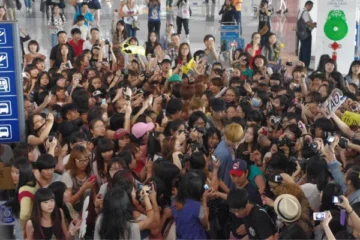
The relationship between K-pop idols and their fans is one of the most intense in the global entertainment industry. While this devotion drives the industry’s economic success, it has also manifested in destructive behaviors, such as the "sasaeng" (stalker) culture and the aggressive backlash against idols who are revealed to be dating.
2014 saw several high-profile dating revelations, including members of Girls’ Generation and EXO. The reactions were often polarized, with some fans offering support while others engaged in online harassment. In 2015, there is a collective hope for "fan maturity." This involves a shift in perspective where fans view idols as human beings entitled to private lives, rather than commodities.
Furthermore, agencies are expected to take a firmer stance against "sasaeng" fans and malicious commenters. The legal precedent set in late 2014, where several agencies began filing lawsuits against online defamers, is expected to continue. The broader implication is the creation of a healthier ecosystem where artists can perform without fear of stalking or slander, and where the "dating taboo" is gradually dismantled.

Global Responsibility and Cultural Sensitivity
As K-pop continues its westward expansion, the industry faces the challenge of navigating diverse global cultures. Instances of cultural appropriation, such as the use of blackface or the insensitive use of religious symbols in music videos, have previously caused international friction.
In 2015, the industry is tasked with a "two-way education." While fans are encouraged to learn about Korean culture, idols and their creative teams must gain a deeper understanding of the global histories and sensibilities of their international audience. Analysts suggest that larger agencies should invest in cultural sensitivity training for their creative directors to avoid "faux pas" that could alienate global markets. The objective is to ensure that K-pop’s global influence is built on a foundation of mutual respect.
Conclusion: Defining Success in 2015
The aspirations for K-pop in 2015 are not defined solely by chart positions or album sales, but by the industry’s ability to evolve into a more ethical and sustainable entity. The "scandals" of 2014 served as a necessary catalyst for introspection. If 2015 can deliver on the promises of artistic autonomy for idols, improved safety standards, and more mature engagement between agencies and fans, it will be remembered as the year K-pop transitioned from a domestic phenomenon to a mature global industry.

The ultimate wish for 2015 is a year of "joy and laughter" that is genuine rather than forced—a year where the industry’s growth is matched by its humanity. As stakeholders look toward the coming months, the focus remains on ensuring that the "flow of life" in K-pop is marked by progress, safety, and a renewed commitment to the artists who make the music possible.
Related News