
On August 3rd, 2026, veteran K-pop idol Sandara Park, a revered former member of the iconic second-generation girl group 2NE1, shed light on the historically disparate treatment of male and female artists under YG Entertainment’s strict management. Her candid revelations emerged during an appearance on the YouTube channel I Am Dong Baek, where she joined fellow second-generation stars Super Junior’s Donghae and Eunhyuk. The discussion offered a rare glimpse into the stringent realities of idol life, particularly highlighting the gender-specific restrictions that shaped her career and that of her group members.
A Candid Revelation from a K-Pop Icon
The conversation, which quickly garnered significant attention from fans and industry observers alike, delved into the behind-the-scenes experiences of idols during a pivotal era of K-pop. Donghae initiated the topic by recalling the severe limitations placed on Sandara Park, specifically noting that she was not permitted to leave the dorm. This observation prompted Sandara Park to elaborate on the pervasive control exercised by YG Entertainment, an agency often perceived by the public, and even by fellow idols like Eunhyuk, as fostering a more "free" and "hip-hop" culture compared to its industry counterparts.
Sandara Park’s statement, "We were called hip-hop, but that was just in name," succinctly captured the ironic disparity between YG’s public image and the lived reality for its female artists. The "hip-hop" branding, synonymous with artistic freedom and rebellious spirit, evidently did not extend to the personal liberties of groups like 2NE1. This stark contrast immediately piqued the interest of the hosts, with Eunhyuk expressing surprise, stating, "I thought YG would be more free about that."
The Stark Contrast: YG’s Gendered Restrictions
Sandara Park further detailed the pronounced differences in the degree of freedom afforded to male and female groups within YG Entertainment. She explicitly stated, "The male groups were free, but we stayed only in the dorm," a revelation that underscored a clear gender-based policy. Her testimony painted a picture of an environment where female idols faced constant surveillance and restrictions on their movement, even for mundane tasks. "Even when going to the convenience store, we had to ask the manager," she recounted, illustrating the pervasive nature of this control over their daily lives.
These regulations went beyond simple supervision, forming a comprehensive system designed to manage the image and activities of female idols. Such restrictions often included strict dating bans, limitations on personal friendships, and controlled interactions with the public, all ostensibly aimed at maintaining a "pure" or "available" image deemed crucial for female idol appeal in the intensely competitive K-pop market. For 2NE1, a group celebrated for its fierce, independent, and often unconventional image, these internal constraints presented a significant disconnect from their public persona.
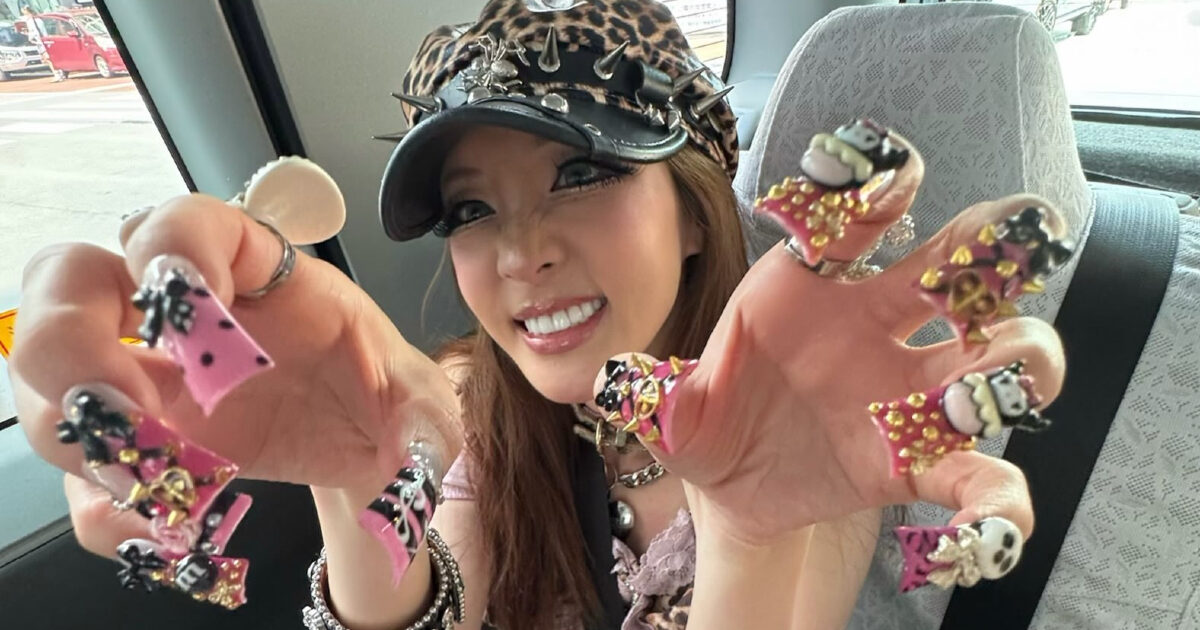
The perceived disparity led Sandara Park to express a degree of envy towards SM Entertainment, one of the "Big 3" agencies alongside YG, which she characterized as having a relatively freer atmosphere for its artists. She specifically referenced Girls’ Generation, SM’s flagship girl group and a contemporary of 2NE1, noting, "The Girls’ Generation members were much more active." This observation hinted at a different management philosophy at SM, where female idols might have enjoyed greater personal autonomy or more public exposure without the same level of stringent physical confinement. While SM Entertainment also maintained strict guidelines for its artists, particularly regarding dating and public image, the degree of physical restriction and supervision described by Sandara Park for YG’s female groups appeared to be a defining difference.
Divergent Agency Philosophies: SM’s System vs. YG’s Perfectionism
The conversation also naturally pivoted to a discussion of the operational strategies employed by SM and YG Entertainment, particularly concerning their artists’ activity systems. Eunhyuk, drawing from his extensive experience at SM Entertainment with Super Junior, described his agency’s methodical approach: "SM plans everything thoroughly by the year, scheduling everything on calculated dates." This systematic planning ensured regular comebacks, album releases, and promotional cycles, contributing to consistent artist visibility and fan engagement.
In contrast, Sandara Park articulated YG Entertainment’s distinct, albeit often frustrating, philosophy. She explained, "Above all, the quality had to be good, so if the song wasn’t at least slightly satisfying, they scrapped it and started over." This "quality over quantity" mandate, while potentially leading to highly polished and critically acclaimed releases, often resulted in extended hiatuses and an unpredictable schedule for artists. For groups like 2NE1, this meant fewer opportunities to perform and connect with their fanbase. Sandara Park openly confessed her disappointment: "I felt a bit disappointed because we had very few stages to perform on in a year."
This difference in approach had tangible consequences for 2NE1’s career trajectory. While their releases were often monumental events, marked by innovative music and groundbreaking concepts, the infrequency of their activities could lead to waning momentum and fan frustration. Unlike groups with a consistent comeback cycle, 2NE1’s sporadic appearances, dictated by YG’s rigorous quality control, meant that their periods of high visibility were interspersed with long stretches of silence. This strategy, while perhaps intended to maintain an aura of exclusivity and artistic integrity, also inherently limited their overall market presence compared to groups operating under a more continuous promotional model.
The Legacy of 2NE1 and Second-Generation Idols
2NE1, consisting of CL, Bom, Dara (Sandara Park), and Minzy, debuted in 2009 and quickly rose to prominence as one of the most influential girl groups of the second generation of K-pop. Known for their fierce image, genre-bending music, and powerful performances, they challenged traditional notions of femininity in the industry. Their discography boasts numerous hits, including "I Am The Best," "Fire," and "Lonely," which cemented their status as global trendsetters. Sandara Park’s revelations, therefore, offer critical insight into the internal workings of an agency that produced such a revolutionary group.
The era in which 2NE1 and Super Junior debuted (late 2000s to early 2010s) was characterized by intense competition and a rapidly globalizing K-pop industry. Agencies during this time often exercised extensive control over their artists’ lives, viewing them as valuable assets whose image and behavior directly impacted the company’s brand and profitability. Strict rules regarding dating, personal conduct, and public appearances were commonplace across the industry. However, Sandara Park’s account suggests that the enforcement of these rules, particularly physical confinement, was disproportionately applied based on gender at YG Entertainment.

This period also saw the "idol factory" system solidify, where trainees underwent years of rigorous training before debut, often sacrificing personal freedoms for the chance at stardom. Once debuted, these controls frequently continued, manifesting in various forms from diet restrictions to media interaction guidelines. The "dorm life," a rite of passage for many idols, often became a locus of agency control, particularly for female groups, under the guise of protection or image management.
Broader Implications: Gender Disparity in K-Pop Management
Sandara Park’s statements reignite a long-standing discussion within the K-pop industry regarding gender disparity in artist management. The phenomenon of stricter controls, particularly concerning personal freedoms and movement, for female idols compared to their male counterparts has been an observable, though often unspoken, aspect of the industry for decades. While male idols also face significant pressures and restrictions, the nature and intensity of surveillance, especially concerning perceived "scandal risks" related to dating or public image, often fall more heavily on female artists.
This disparity can be attributed to several factors, including deeply ingrained societal expectations regarding female purity and conduct, the commercial imperative to maintain a "girlfriend fantasy" image for male fans, and a general tendency for female celebrities globally to face harsher scrutiny over their personal lives. Agencies, in their pursuit of commercial success and brand protection, often internalize these societal biases, translating them into gender-differentiated management policies.
The "quality over quantity" strategy employed by YG, while celebrated by some for fostering artistic integrity, also raises questions about artist well-being and career sustainability. For groups like 2NE1, the limited number of promotional cycles meant fewer opportunities for income, slower career progression, and potentially a greater sense of artistic frustration due to long periods of inactivity. This approach, when combined with severe personal restrictions, could contribute to significant mental and emotional strain on idols.
Looking Ahead: Transparency and Artist Welfare
In recent years, as the K-pop industry has matured and gained unprecedented global reach, there has been a growing demand for greater transparency and improved artist welfare. Fans, media, and even idols themselves are increasingly vocal about the need for more equitable treatment, healthier working conditions, and greater personal autonomy for artists. The rise of independent artists, the diversification of entertainment models, and increased public awareness regarding mental health issues among celebrities are all contributing to a slow but discernible shift in industry practices.
Sandara Park’s courageous decision to share her experiences adds another important voice to this ongoing conversation. Her insights, coming from a highly respected and beloved figure, provide valuable historical context to the evolution of K-pop management practices and serve as a reminder of the challenges faced by idols, particularly female artists, in their pursuit of dreams under intense industry scrutiny. As K-pop continues to evolve, the hope remains that such revelations will further prompt agencies to re-evaluate their policies, ensuring that the pursuit of global entertainment success does not come at the cost of artists’ fundamental freedoms and well-being. The industry’s journey towards greater equity and artist-centric management is far from over, but every candid confession from a veteran like Sandara Park marks a significant step forward.