
The South Korean entertainment industry, particularly the global phenomenon known as K-pop, has long been characterized by the intense and symbiotic relationship between idols and their fans. However, a darker subset of this culture has persisted for decades, presenting a significant threat to the safety, privacy, and mental well-being of artists. These individuals, known as sasaengs, are obsessive followers who engage in intrusive, often illegal activities to gain proximity to their favorite celebrities. While the term is often translated as "extreme fan," industry experts and idols themselves argue that the term "fan" is a misnomer, as their actions frequently border on—or cross into—criminal stalking and harassment.
Defining the Sasaeng Phenomenon: Beyond Traditional Fandom
The word sasaeng is derived from the Korean words sa (private) and saeng (life), reflecting an obsession with an idol’s life outside of their public persona. Unlike traditional fans who support artists through album purchases, concert attendance, and digital streaming, sasaengs prioritize the acquisition of private information. Their activities are diverse and increasingly sophisticated, ranging from digital hacking to physical trespassing.
Common behaviors associated with sasaeng culture include the hiring of "sasaeng taxis"—drivers who specialize in high-speed chases to follow idol vans—and the purchasing of "flight info," which includes the seat numbers and travel schedules of artists. More extreme cases involve the installation of hidden cameras in idols’ residences, the theft of personal items such as clothing or undergarments for sale on the black market, and the persistent hacking of personal phone accounts to monitor private communications. The ultimate goal for these individuals is often not just to see the idol, but to provoke a reaction or to possess knowledge that no one else has, thereby creating a distorted sense of intimacy.
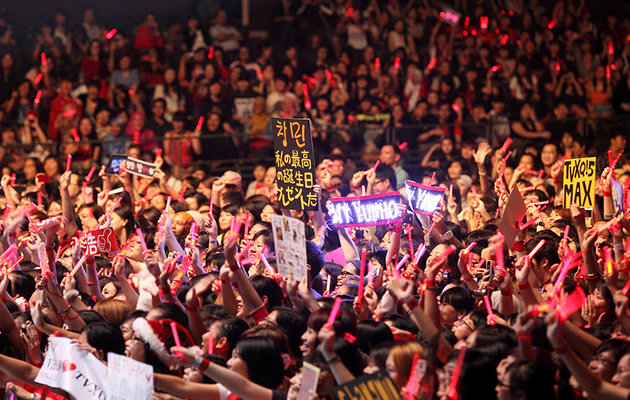
Case Study: EXO and the Escalation of Intrusive Behavior
The South Korean boy group EXO, managed by SM Entertainment, has recently become a focal point in the discussion regarding sasaeng misconduct. Since their debut, the members have been subjected to a series of escalating incidents that have sparked national headlines. In a revealing interview with Sports Seoul, the members expressed profound distress over the constant invasion of their privacy.
The incidents reported by EXO members and witnesses paint a harrowing picture of life under constant surveillance. Notable occurrences include the recording of member Tao singing in a hotel shower and the persistent "elephant stampedes" at international airports, where members have been shoved to the ground or physically restrained by mobs. In some instances, individuals have attempted to link arms with members while they walk through terminals, masquerading as acquaintances to bypass security.
The members’ public plea for boundaries highlights a growing tension within the industry. While idols are often marketed through "fan service" and accessibility, the lack of clear boundaries has led to situations where members feel unsafe even in supposedly secure environments. The Sports Seoul interview marked a rare moment of direct confrontation, where the group requested that these "burdensome" activities cease for the sake of their collective mental health.

A Historical Context: The Legacy of TVXQ and Second-Generation Idols
The issues facing EXO are not unprecedented; rather, they are an evolution of a culture that reached its first peak with the group TVXQ in the mid-2000s. Often cited as having the most notorious sasaeng following in K-pop history, TVXQ members endured years of extreme harassment. This included fans breaking into their dormitories to take photos of them while they slept and the cloning of their SIM cards to monitor their text messages.
The historical trajectory of sasaeng culture suggests that groups from "Big Three" agencies—SM Entertainment, YG Entertainment, and JYP Entertainment—are disproportionately targeted. The high level of anticipation and the "god-like" marketing strategies employed by these companies often cultivate a level of fanaticism that, in a small percentage of the population, translates into obsessive behavior. The prestige of the company acts as a catalyst for sasaeng activity, as the social capital gained by "owning" private information about a top-tier idol is significantly higher within these underground circles.
Strategies for Mitigating Fandom Volatility
As the K-pop industry matures, several strategies have emerged to combat the rise of sasaeng behavior. While no single method is foolproof, a combination of marketing shifts and firm boundary-setting has shown promise in reducing the frequency of intrusive incidents.

1. The Shinhwa Model: Asserting Boundaries
One of the most famous examples of setting boundaries occurred early in the career of the first-generation group Shinhwa. Member Kim Dong-wan famously told fans during a promotional event, "Shinhwa isn’t responsible for your lives." While this was considered a risky public relations move at the time—leading to a temporary loss of fans—it established a foundation of mutual respect. By explicitly stating that the idol-fan relationship has limits, groups can filter out those whose support is predicated on unhealthy obsession.
2. Legal Intervention and the "Lawyer Up" Approach
For years, many entertainment agencies were hesitant to pursue legal action against sasaengs for fear of damaging the group’s image or alienating the broader fanbase. However, this trend is shifting. Agencies are increasingly employing legal teams to track down individuals who hack private accounts or engage in trespassing. Publicly announcing lawsuits serves as a deterrent, signaling that the "idol" status does not grant the public immunity from stalking laws.
3. Demographic Targeting and Marketing Adjustments
The volatility of a fandom is often linked to the age and maturity of the primary audience. Groups that target an older demographic—often referred to as "noona" fans (older sisters)—frequently experience fewer instances of extreme stalking. Furthermore, the "backstory" of a group plays a role. Groups marketed with complex, supernatural mythologies or those who lean heavily into "shipping" (the romantic pairing of members) may inadvertently fuel the delusions of obsessive followers. A shift toward focusing on musicality and talent over hyper-personal "fan service" can help maintain a more professional distance.

The Role of Technology and the "Delete the Internet" Paradox
In the modern era, the internet acts as both a tool for global success and a weapon for sasaengs. Private information is traded on social media platforms and encrypted messaging apps with alarming speed. Some analysts suggest that the "hyper-connectivity" of K-pop—where idols are expected to post frequent updates and live stream their daily lives—blurs the line between public and private space. Reducing the digital footprint of an idol’s private life is essential, though difficult in an industry that thrives on engagement.
Analysis of Implications: Mental Health and Industry Sustainability
The persistence of sasaeng culture has profound implications for the long-term sustainability of the K-pop industry. The psychological toll on artists is significant; constant surveillance can lead to anxiety, paranoia, and burnout. When idols feel unsafe in their own homes or during essential travel, their ability to perform and maintain their professional responsibilities is compromised.
Furthermore, the physical safety of both the idols and the general public is at risk. High-speed taxi chases and airport stampedes have resulted in injuries to idols, security personnel, and bystanders. If the industry does not address these issues through stricter security protocols and legal frameworks, the potential for a catastrophic event remains high.

Conclusion: Toward a Culture of Respect
The K-pop genre is defined by its energy, creativity, and the passionate support of its global audience. However, the rise of sasaeng activity represents a systemic failure to protect the human beings behind the "idol" personas. The plea from groups like EXO and the historical lessons from TVXQ and Shinhwa suggest that the solution lies in a multi-faceted approach: stricter legal consequences, clearer boundaries from management, and a cultural shift among fans to self-police their communities.
Ultimately, the responsibility for curbing sasaeng behavior rests on a collective effort. Agencies must prioritize the safety of their artists over short-term profit, and the legal system must recognize that the harassment of celebrities is a serious crime. As Shim Changmin of TVXQ once famously advised fans, "Please find a boyfriend" (or a life of one’s own). This simple statement underscores the necessity for fans to find fulfillment in their own lives rather than attempting to live vicariously through the stolen privacy of others. Only through a sustained commitment to these boundaries can the K-pop industry ensure a safe and healthy environment for its most valuable assets—the artists themselves.