5 Best Korean Dramas About Female Friendships That Are A Must-Watch
Article Editorial Team

The landscape of South Korean television dramas has undergone a significant transformation, moving beyond conventional romantic narratives to explore the rich, multifaceted dynamics of female friendships, often termed "womance." This evolving genre emphasizes solidarity, mutual support, and shared experiences among women, offering a refreshing counter-narrative to traditional portrayals rife with jealousy or romantic rivalry. These stories delve into the complexities of modern womanhood, addressing career challenges, personal traumas, societal pressures, and the profound emotional healing found in sisterhood. The increasing global demand for authentic and empowering female-centric stories has propelled these narratives to the forefront, showcasing the strength and resilience inherent in genuine female bonds.
The Evolving Landscape of Female Representation in K-Dramas
Historically, K-dramas often depicted female characters in roles that primarily revolved around their romantic relationships with male leads or their competition with other women for affection or social standing. While classic dramas explored elements of female relationships, they rarely centered the narrative purely on the strength and evolution of these bonds outside of a male-centric framework. The late 2010s marked a pivotal shift, driven by changing societal perspectives within South Korea and a growing international audience seeking more diverse and progressive content. This period saw a rise in dramas that consciously moved away from tropes like the "damsel in distress" or the "evil second female lead," opting instead for nuanced characters who find strength, comfort, and identity through their female peers.
This "womance" trend reflects broader global movements towards female empowerment and the celebration of "girl power." It acknowledges that women navigate unique challenges in patriarchal societies, and that shared experiences—from workplace discrimination to personal grief—can forge unbreakable bonds. These dramas resonate deeply with viewers because they mirror real-life friendships, showcasing the messy, beautiful, and utterly essential nature of having a supportive circle of women. They normalize discussions around sensitive topics like sexual harassment, career stagnation, mental health, and the pressures of aging, all within the comforting framework of steadfast friendships.
The following five dramas stand as prime examples of this compelling genre, each offering a unique perspective on the power of female solidarity and emotional depth.
1. Honour: A Legal Battleground of Sisterhood
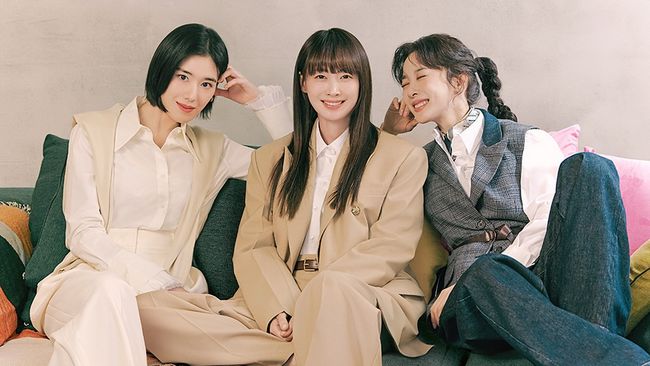
"Honour" is a compelling legal drama that centers on three formidable female lawyers from the prestigious L&J law firm: Yoon Ra Young, portrayed by Lee Na Young; Kang Shin Jae, played by Jung Eun Chae; and Hwang Hyeon Jin, brought to life by Lee Chung Ah. The narrative establishes their professional prowess and their shared commitment to a critical social cause: defending victims of sexual assault. This focus immediately grounds the drama in relevant contemporary issues, highlighting the systemic challenges and personal traumas faced by women in society.
The series intricately weaves together their professional endeavors with a profound personal challenge when a dark secret from their past resurfaces, threatening to dismantle their careers and reputations. Instead of succumbing to self-preservation, the three women demonstrate an unwavering commitment to each other and their collective mission. They choose to confront the terror and an inherently unfair system head-on, not just for their own survival, but fundamentally to protect other women who have suffered similar injustices. This central conflict elevates "Honour" beyond a mere legal procedural; it becomes a powerful statement on collective female resilience against patriarchal structures and personal demons. The drama explores the moral ambiguities of justice, the psychological toll of trauma, and the extraordinary lengths individuals will go to safeguard their integrity and their chosen family. Its emphasis on solidarity in the face of adversity makes it a potent exploration of "womance" within a high-stakes professional setting.
2. Search: WWW (2019): Corporate Rivalry Forged into Unbreakable Alliance
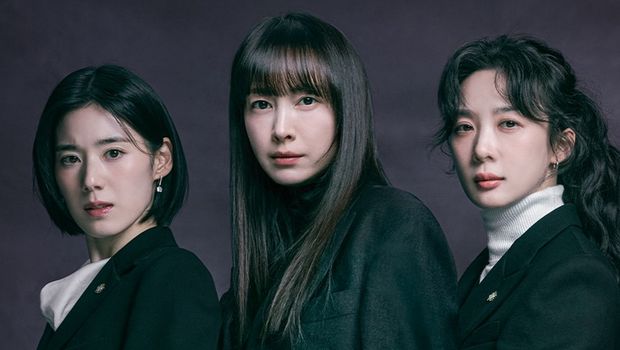
Released in 2019, "Search: WWW" captivated audiences with its sharp portrayal of ambitious women navigating the cutthroat world of the internet search engine industry. Starring Im Soo Jung, Lee Da Hee, and Jeon Hye Jin, the drama initially depicts these characters as fierce corporate rivals, each striving for dominance within their respective companies. However, the narrative masterfully subverts expectations by demonstrating that professional competition does not preclude mutual respect or, ultimately, powerful solidarity.
The core of the "womance" in "Search: WWW" emerges when external forces—specifically, political sabotage orchestrated by male executives—threaten their careers and the integrity of their work. In these moments of crisis, the women transcend their competitive instincts to form an unbreakable alliance. They stand united on the front lines, strategically defending each other and their shared professional ethics against manipulation and sexism. This drama critically examines the challenges faced by women in leadership roles, highlighting issues of corporate power dynamics, gender bias, and the constant need to prove their competence. It showcases how women, even from opposing corporate factions, can find common ground and strength in unity when faced with systemic injustices. "Search: WWW" was lauded for its realistic depiction of modern career women, their struggles, triumphs, and the unique bonds forged in the high-pressure environment of the tech industry, making it a landmark series in the "womance" genre.
3. Work Later, Drink Now (2021): Unfiltered Support in Everyday Life
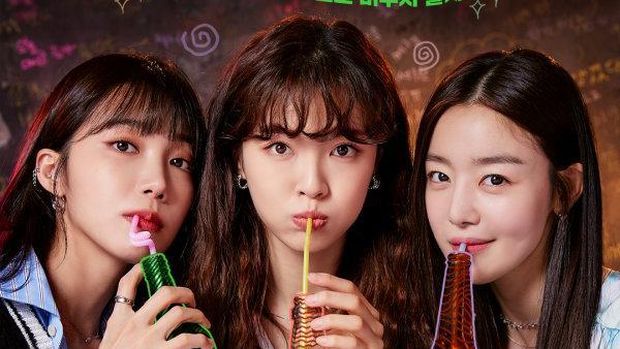
"Work Later, Drink Now," which premiered in 2021, quickly garnered a dedicated following for its refreshingly honest and often humorous portrayal of female friendship. The series follows three single women from diverse professional backgrounds who regularly convene for drinks after work to decompress and share their daily lives. Kang Ji Goo (Jung Eun Ji), an origami YouTuber; Ahn So Hee (Lee Sun Bin), a broadcasting writer; and Han Ji Yeon (Han Sun Hwa), a yoga instructor, find solace and strength in their nightly rituals.
While the drama is replete with comedic elements, its underlying strength lies in its profound depiction of their unwavering emotional support system. These women become each other’s sanctuary, a space where they can be vulnerable without judgment. The series explores realistic scenarios, such as one friend grappling with workplace harassment or another experiencing profound grief. In these moments, their bond transcends mere camaraderie; they become pillars of strength, offering comfort, practical advice, and an empathetic ear. The drama particularly excels in illustrating how laughter and tears often coexist, and how shared experiences, even mundane ones, contribute to a deep, enduring connection. "Work Later, Drink Now" resonates deeply with viewers because it reflects the universal need for a reliable support network, emphasizing that true friendship means standing by each other through life’s highs and lows, celebrating triumphs, and navigating heartbreaks together, all often over a shared drink. Its raw honesty and relatable characters have cemented its place as a beloved "womance" drama.
4. Thirty-Nine (2022): Facing Life’s Ultimate Test with Unwavering Love
Released in 2022, "Thirty-Nine" is a poignant and deeply emotional drama that explores the enduring power of friendship in the face of life’s most challenging circumstances. The series centers on three inseparable friends nearing their 40s: Cha Mi Jo (Son Ye Jin), a successful dermatologist; Jeong Chan Young (Jeon Mi Do), an acting coach; and Jang Jo Hee (Kim Ji Hyun), a department store cosmetics manager. Their friendship, forged over decades, becomes the central pillar of their lives as they navigate personal and professional milestones.
The narrative takes a heart-wrenching turn when one of them receives a devastating terminal illness diagnosis. This life-altering event tests the very foundation of their bond, forcing them to confront mortality, grief, and the bittersweet reality of impending separation. The drama meticulously portrays how these women rally around each other, providing an unparalleled level of emotional support and practical assistance. It delves into their individual journeys of coming to terms with the diagnosis, accepting past regrets and wounds, and finding ways to cherish their remaining time together. "Thirty-Nine" is a powerful testament to the idea that true friendship is a form of unconditional love, capable of providing immense comfort and strength even in the darkest hours. It explores themes of loss, resilience, and the profound impact one person can have on the lives of others, all while maintaining a warm, empathetic tone that resonates deeply with audiences who understand the fragility and preciousness of life and friendship.
5. Be Melodramatic (2019): Finding Humor and Heart in the Quarter-Life Crisis
"Be Melodramatic," also released in 2019, offers a distinctive and often comedic take on the lives of three friends navigating their early thirties. The drama focuses on Im Jinjoo (Chun Won Hee), a quirky screenwriter; Lee Eun Jung (Jeon Yeo Been), a documentary director; and Hwang Han Joo (Han Ji Eun), a marketing team leader, who share a home and their diverse life experiences. Unlike dramas that might lean into intense melodrama, "Be Melodramatic" masterfully blends humor, realism, and profound insights into the challenges and absurdities of adulthood.
The series tackles the concept of the "quarter-life crisis" with refreshing honesty and a light touch. These women confront various struggles, from career stagnation and creative blocks to romantic disappointments and the pressures of societal expectations, all while attempting to maintain a semblance of sanity and joy. The drama highlights how their shared living situation and unwavering friendship serve as a crucial buffer against these life pressures. They provide each other with a constant source of laughter, a shoulder to cry on, and candid advice, often delivered with a witty cynicism that resonates with viewers. "Be Melodramatic" stands out for its nuanced portrayal of friendship that is not afraid to explore the mundane, the frustrating, and the genuinely hilarious aspects of life in one’s thirties. It emphasizes that growth, healing, and happiness can be found amidst chaos, and that the most profound support often comes from those who truly understand and accept you, flaws and all, making it a truly unique and beloved entry in the "womance" genre.
The Broader Impact and Cultural Significance
The burgeoning popularity of "womance" dramas signifies a crucial evolution in global entertainment. These series have not only garnered significant critical acclaim but have also achieved substantial commercial success, demonstrating a strong market demand for narratives that prioritize female agency and solidarity. Critics frequently laud these dramas for their realistic character development, authentic dialogues, and the courage to tackle contemporary social issues without sensationalism. Audiences, both within South Korea and internationally, have responded enthusiastically, praising the relatability of the characters and the emotional depth of their friendships.
This trend has several profound implications. Firstly, it actively challenges and dismantles traditional gender stereotypes prevalent in media, offering more complex and empowering representations of women. Instead of being defined by their relationships with men, female characters in "womance" dramas derive strength and purpose from their internal lives and their bonds with other women. Secondly, these narratives foster a sense of community and validation among female viewers, reflecting their own experiences and struggles, and celebrating the crucial role friendships play in their lives. The discussions generated by these dramas often extend beyond mere entertainment, sparking conversations about feminism, workplace equality, mental health, and the importance of support networks.
Furthermore, the global reach of K-dramas has amplified the impact of these "womance" narratives, introducing diverse audiences to progressive female-centric storytelling. This cultural exchange contributes to a broader understanding and appreciation of women’s experiences across different societies, fostering empathy and inspiring solidarity. As the K-drama industry continues to innovate, the "womance" genre is poised for further growth, promising even more diverse, challenging, and uplifting stories about the enduring power of female friendships, solidifying their position as a cornerstone of modern storytelling.
Related News