The Power and Paradox of K-pop Fandoms as Modern Social Movements: Globalization, Collectivism, and the Limits of Digital Activism
Article Editorial Team
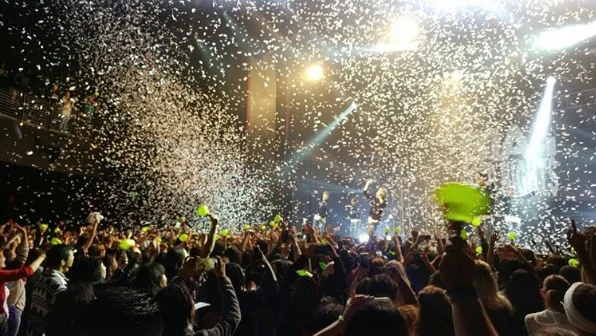
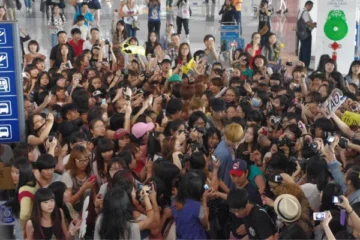
The concept of the "fandom" has evolved from a niche collection of enthusiasts into a formidable socio-political force capable of influencing international discourse, swaying corporate decisions, and mobilizing millions of dollars for social causes. In the contemporary landscape of celebrity culture, major figures—ranging from pop vocalists and professional gamers to digital influencers—command organized bases that transcend traditional demographic boundaries. These groups are often unified under a singular "fandom name," a collective identity that serves as the foundation for coordinated action. While the primary objective of any fandom remains the support and promotion of their chosen celebrity, the intersection of rapid globalization and social media has transformed these groups into something far more complex: a new iteration of the social movement.
The Intersection of Globalization and the Korean Wave
Globalization, defined as the profound economic, social, political, and cultural integration of the modern world, has served as the primary catalyst for the international ascent of South Korean culture, a phenomenon known as Hallyu. Physical borders no longer restrict cultural influence, and the digital era has allowed for the seamless exchange of ideas and aesthetics across continents. In the United States and Europe, the success of South Korean exports has been marked by significant milestones in the entertainment industry.
In early 2020, the film Parasite made history by becoming the first non-English language film to win Best Picture at the Academy Awards. This was followed in 2021 by Youn Yuh-jung’s Best Supporting Actress win for Minari, signaling a permanent shift in Western receptivity to Korean storytelling. Beyond cinema, Korean lifestyle trends, such as the viral "dalgona coffee" and the mainstreaming of Korean skincare (K-beauty), have become staples of global consumer culture.
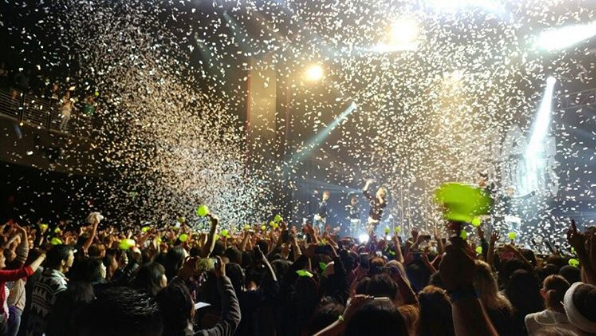
However, the most visible and potent example of this globalization is K-pop. Groups such as BTS have achieved unprecedented success, consistently selling out global stadium tours and dominating the Billboard charts. This success is not accidental; Korean marketing agencies have masterfully leveraged the digital environment to maximize shareability. The rise of "reaction videos"—a genre where individuals document their real-time responses to music videos—has created a self-sustaining feedback loop. Channels like ReacttotheK, which analyzes K-pop through the lens of classical music theory, demonstrate how the genre has penetrated diverse intellectual and artistic spheres, from music conservatories to mainstream high schools.
The Engine of Collectivism
To understand the efficiency of K-pop fandoms, one must examine the cultural roots of South Korean society, which is characterized by a high degree of collectivism. Unlike the individualistic focus prevalent in many Western cultures, collectivism prioritizes the well-being and goals of the community or group over the desires of the individual. This cultural framework is deeply embedded in the K-pop industry, influencing everything from trainee programs to the relationship between idols and their fans.
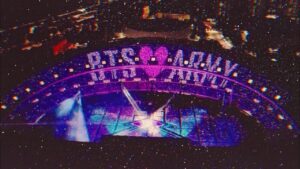
In the context of a fandom, collectivism synthesizes millions of individual efforts into a singular, unified result. When a K-pop group releases a new album, the fandom does not merely listen; they organize "streaming parties," coordinate mass purchases to influence chart rankings, and buy advertising space in major hubs like Times Square to celebrate an idol’s birthday. This level of organization mirrors the structure of traditional social movements, which are defined by collective action spanning various networks to achieve a common goal rooted in a shared identity.
Fandom as a Social Movement: A Chronology of Action
K-pop fandoms have frequently demonstrated their ability to move beyond entertainment and into the realm of political and social activism. The year 2020 served as a turning point for the public perception of "stan culture," as fans utilized their organizational skills to impact real-world events.
June 4–7, 2020: The Black Lives Matter Donation
Following the death of George Floyd, the global superstar group BTS and their label, Big Hit Entertainment (now HYBE), announced a $1 million donation to the Black Lives Matter (BLM) movement on June 4, 2020. In response, the BTS fandom, known as ARMY, launched the #MatchAMillion campaign. Using a dedicated Twitter account and a customized donation platform, the group mobilized fans worldwide. By June 7, less than 72 hours after the initial announcement, the fandom had successfully matched the $1 million donation, with contributions coming from over 100,000 individual donors.
June 2020: The Tulsa Rally Disruption
In the same month, K-pop fans gained international headlines for their alleged role in disrupting a campaign rally for then-President Donald Trump in Tulsa, Oklahoma. Through platforms like TikTok and Twitter, fans coordinated a campaign to reserve thousands of free tickets to the event with no intention of attending. While the Trump campaign denied that the "prank" affected attendance, the rally saw a significantly lower turnout than expected—less than 6,200 people in a 19,000-capacity arena—and the event was widely cited as a demonstration of the power of digital youth movements.
Digital Counter-Protest and Hashtag Hijacking
K-pop fans have also become adept at "hashtag hijacking." During periods of social unrest in 2020, white nationalist and racist hashtags began to trend on Twitter. K-pop fans responded by flooding these hashtags (such as #WhiteLivesMatter) with "fancams"—short videos of idols performing. This effectively drowned out extremist rhetoric and rendered the hashtags useless for their original purpose.
The Complexity of Power: Protection and Silence
While the mobilization of fandoms for social justice has been lauded, the same mechanisms of collective action can be weaponized in ways that stifle dissent and obscure accountability. The primary goal of a fandom is the protection and elevation of the idol. When this goal conflicts with social justice or ethical standards, the result is often a defensive reaction that can become toxic.

One prevalent practice is "clearing the searches." When an idol is involved in a scandal—ranging from bullying allegations to cultural appropriation—fans will coordinate to flood search engines and social media with positive keywords and images. The intent is to bury negative news and prevent "casual" observers from finding information about the controversy. While fans view this as an act of loyalty, critics argue it is a form of information manipulation that prevents necessary accountability.
In early 2021, Stray Kids member Hyunjin faced a wave of school bullying allegations during a period of widespread "celebrity bullying" scandals in South Korea. The fandom, STAY, utilized hashtag campaigns to demand his return and protest his hiatus, pressuring the management company to prioritize the fandom’s desires over the public’s demand for transparency.
Furthermore, marginalized members within these fandoms often report being silenced. Black K-pop fans, for instance, have frequently spoken out about the harassment they face when critiquing idols for the use of racial slurs or the appropriation of Black culture. When these fans attempt to hold idols accountable, they are often met with "dogpiling"—organized attacks by thousands of other fans who view any criticism as a betrayal of the collective.
Analysis of Implications: Fandom vs. Activism
The rise of the "fan-activist" presents a challenge to traditional definitions of social movements. While K-pop fandoms possess the infrastructure of a movement—communication networks, leadership (often informal), and the ability to mobilize resources—their ultimate motivation is person-centric rather than issue-centric.
A true social movement seeks systemic change or the advancement of a specific cause for the benefit of a broad group. In contrast, fandom-based activism is often transactional or performative, designed to enhance the reputation of the idol or to align the fandom with "the right side of history" to avoid criticism. If an idol’s interests are no longer served by a social cause, the fandom’s support for that cause may evaporate.
Moreover, the "weaponization" of fandom highlights the dangers of digital collectivism. The same tools used to raise $1 million for civil rights can be used to harass a journalist for writing a lukewarm review or to silence a victim of misconduct. The efficiency of the group is not inherently moral; it is a tool that reflects the priorities of the collective at any given moment.

The Future of Digital Mobilization
As globalization continues to blur cultural boundaries, the influence of K-pop fandoms is likely to grow. Companies and political organizations are increasingly looking for ways to harness this energy, recognizing that a motivated fandom is more effective than any traditional marketing department.
However, the internal tensions within these groups suggest a coming reckoning. As fans become more socially conscious, the clash between "idol protection" and "social justice" will likely intensify. The power of the collective is undeniable, but the question remains: can a movement built on the adoration of a person ever truly be a movement for justice?
In the final analysis, K-pop fandoms represent a revolutionary shift in how people organize in the digital age. They have proven that collective action can achieve tangible, global results in record time. Yet, as long as the ultimate goal is the preservation of a celebrity’s image, these movements will remain distinct from traditional activism. Fandom is a powerful engine, but the person at the wheel—the idol—remains the focus, leaving justice as a secondary, albeit sometimes significant, passenger.
Related News