

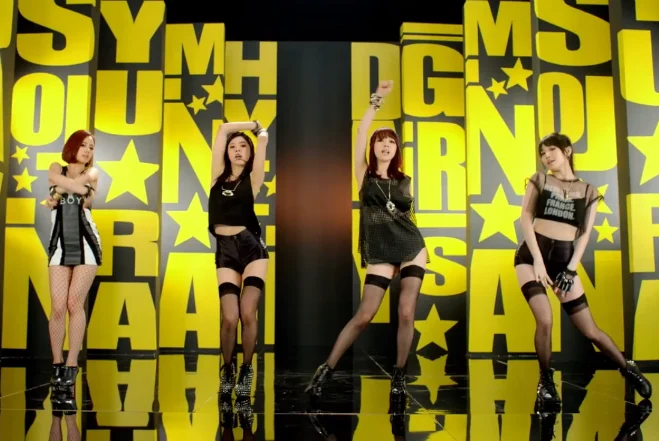
The release of the single Female President by the K-pop group Girl’s Day in June 2013 marked a significant moment in the intersection of South Korean popular culture and national politics. Following the historic election of Park Geun-hye as the nation’s first female head of state, the entertainment industry sought to capitalize on a burgeoning narrative of female empowerment. However, the song and its accompanying music video sparked a complex debate regarding the depth of this empowerment, the reality of gender equality in South Korea, and the role of the K-pop industry in shaping social discourse. While the track was marketed as a "girl power" anthem, critics and sociologists have noted a profound disconnect between the song’s superficial message and the systemic challenges facing women in the Republic of Korea.
The Political Context: Park Geun-hye’s Ascent to the Blue House
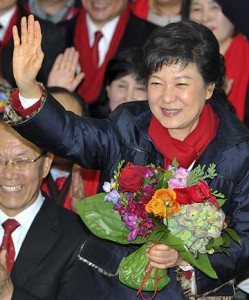
In December 2012, Park Geun-hye, representing the conservative Saenuri Party (now known as the People Power Party), won the presidential election by a narrow margin, securing 51.6% of the vote. Her victory was a watershed moment in Northeast Asian politics, as she became the first female president in a region historically dominated by patriarchal leadership. Park’s ascent to CheongWaDae, or the Blue House, was viewed through a dual lens: for some, it represented a breaking of the ultimate glass ceiling; for others, it was an extension of her family legacy as the daughter of the former military leader Park Chung-hee.
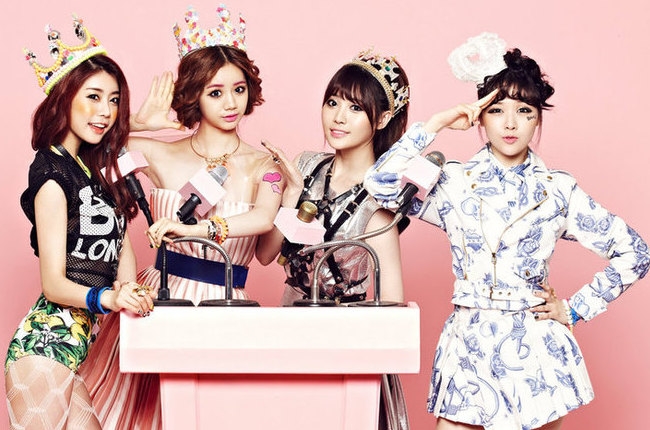
Despite the controversy surrounding her political lineage, Park’s presidency initially offered a symbolic promise of progress for women’s rights. The global community looked toward Seoul to see if a female leader would address the long-standing socio-economic disparities that have historically marginalized women in South Korean society. It was within this atmosphere of political transition that Dream Tea Entertainment positioned Girl’s Day to release a track that directly referenced the national zeitgeist.
Socio-Economic Reality: The Gender Gap in South Korea
To understand the critique of Female President, one must examine the statistical landscape of gender equality in South Korea during the early 2010s. According to data from the Organisation for Economic Co-operation and Development (OECD), South Korea has consistently maintained one of the highest gender wage gaps among developed nations. In 2013, the year of the song’s release, the wage gap stood at approximately 36.3%, meaning women earned significantly less than their male counterparts for equivalent work.
Furthermore, South Korea faced a unique sociological phenomenon known as the "M-curve" in female labor participation. While young women in South Korea often outpace men in tertiary education attainment, their participation in the workforce drops sharply in their late 20s and 30s due to the pressures of marriage and childcare, only to rise again in lower-paying, part-time sectors later in life. In 2013, the "Glass Ceiling Index" published by The Economist ranked South Korea at the bottom of the list for working women among OECD countries, citing low female representation in senior management and corporate boards. These systemic issues—ranging from hiring discrimination to the lack of reproductive rights—formed a stark contrast to the celebratory tone of pop culture "empowerment."
Chronology of the Female President Release
The rollout of Female President followed a strategic timeline designed to maximize the group’s rising popularity following their previous hit, "Expectation."
- March 2013: Girl’s Day releases "Expectation," marking a shift from their original "cute" image to a more mature, "sexy" concept. The song becomes a commercial success, establishing the group as a top-tier act.
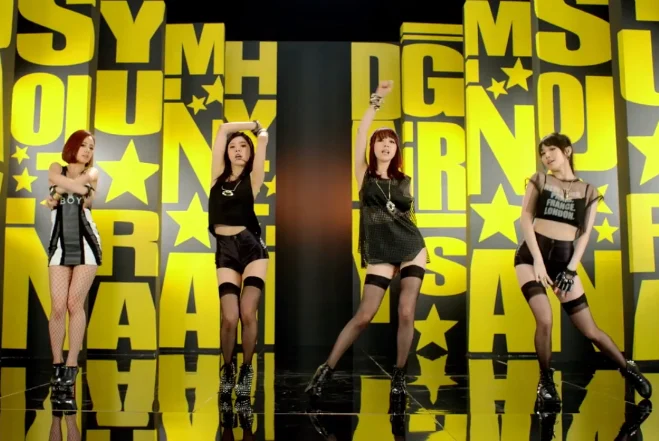
- June 17–20, 2013: Dream Tea Entertainment begins releasing individual member teasers. The imagery emphasizes a blend of traditional femininity and masculine-coded power, such as member Hyeri appearing in a tuxedo with short hair.
- June 24, 2013: The official music video for "Female President" is released. The song’s lyrics explicitly mention the election of a female president to encourage women to take initiative in their personal lives.
- July 2013: The song reaches the top ten on the Gaon Digital Chart and Billboard K-Pop Hot 100, bolstered by the "fox tail" dance choreography and the media attention surrounding the members’ personal lives.
Lyrical and Visual Analysis: The Scope of Empowerment
The central critique of Female President lies in its narrow definition of empowerment. The lyrics, written by Nam Ki-sang, use the election of a female president as a rhetorical device to justify a woman making the first move in a romantic encounter. Lines such as "The president of our country is now a woman / So what’s the big deal? Why can’t a girl do it first?" suggest that the pinnacle of female agency is the freedom to initiate a kiss or express romantic interest.
From a journalistic and analytical perspective, this represents a commodification of political progress. While the song advocates for a break from traditional dating etiquette—where women were expected to be passive and wait for male initiation—it fails to address the broader implications of female leadership. The "empowerment" portrayed is entirely contingent on a woman’s relationship with a man.
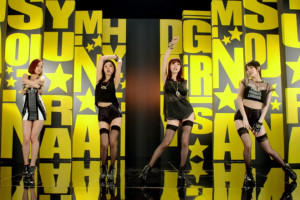
Visually, the music video employs many of the tropes common in the "sexy concept" era of K-pop. While it includes a scene of a near-kiss between members Minah and Hyeri (the latter dressed in masculine attire), which was seen as provocative and boundary-pushing for the time, the overall aesthetic remains geared toward the male gaze. The use of form-fitting outfits and provocative choreography suggests that the "power" being sold is primarily sexual in nature, rather than socio-political.
Public Response and Industry Implications
The reception of Female President was polarized. Among the general public and K-pop fanbases, the song was praised for its catchy hook and high-energy performance. It successfully transitioned Girl’s Day from a struggling group into a household name. However, cultural critics argued that the song was a missed opportunity. By using the title of "President," the group invited a level of scrutiny that a standard love song would have avoided.
Industry analysts have noted that the K-pop model often uses "girl power" as a marketing tool rather than a political statement. This "commercial feminism" allows labels to appeal to female fans by projecting an image of strength and independence, while simultaneously maintaining the sexualized imagery necessary to retain a broad demographic. In the case of Girl’s Day, the juxtaposition of the title with the lyrics created a vacuum where substantive social commentary was expected but not delivered.
The Legacy of the "Female President" Narrative
The impact of Female President can be seen as a precursor to how the K-pop industry handles social issues today. In the years following 2013, South Korea saw the rise of the "Escape the Corset" movement and a more vocal feminist discourse, which has forced the entertainment industry to be more nuanced.
Looking back at the 2013 release, several key implications emerge:
- The Persistence of the Status Quo: The song demonstrated that even during a period of historic political change, popular culture remained hesitant to challenge the underlying patriarchal structures of Korean society.
- The Role of the "Sexy Concept": The era in which Female President was released was defined by intense competition among girl groups to gain attention through provocative concepts. This often resulted in "empowerment" being equated with sexual liberation, a theme that has both proponents and detractors within feminist theory.
- A Symbolic Disconnect: The eventual impeachment of Park Geun-hye in 2017 added a layer of irony to the song’s legacy. The first female presidency ended in a corruption scandal, leading to a period of reflection on whether symbolic representation alone is sufficient to bring about gender equality.
In conclusion, while Girl’s Day’s Female President was a commercial triumph that solidified the group’s place in K-pop history, its contribution to the discourse on women’s rights remains superficial. The song serves as a cultural artifact of the 2013 era—a time when South Korea was grappling with the novelty of female leadership while remaining firmly entrenched in traditional gender roles. By reducing the significance of a female presidency to the realm of dating etiquette, the track highlighted the vast distance between symbolic political milestones and the lived reality of the average South Korean woman. As the K-pop industry continues to evolve, the "Female President" era remains a case study in the complexities of blending pop music with national politics.
Leave a Reply