The Price of Parasocial Interaction and the Evolution of Fan Conduct in the K-pop Industry
Article Editorial Team
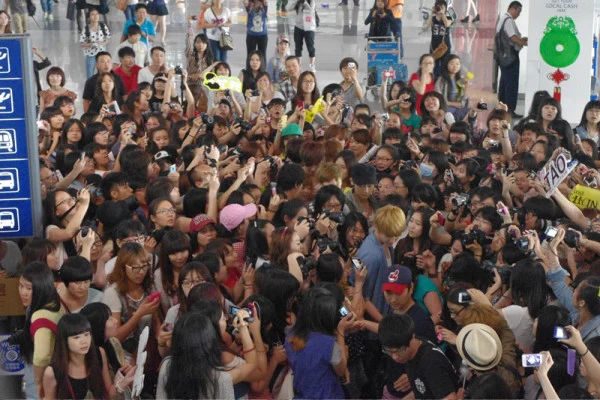
The global phenomenon of K-pop is built upon a foundation of unprecedented fan engagement, a symbiotic relationship where the success of an artist is inextricably linked to the fervor of their domestic and international supporters. On one hand, this devotion manifests in remarkable displays of altruism; fans frequently organize elaborate charity projects, donate thousands of dollars to social causes in their idols’ names, and contribute "rice wreaths" to support local communities during concert tours. These "fandoms" have evolved into sophisticated organizations capable of mobilizing resources that rival professional marketing firms. However, this intense dedication possesses a darker, more volatile facet. As the industry has grown, the boundaries between public support and private intrusion have blurred, leading to a culture of entitlement that often compromises the mental health, safety, and personal agency of the artists themselves.
Digital Harassment and the Invasion of Privacy
The digital age has amplified the reach of K-pop fans, but it has also provided a platform for targeted harassment. A prominent example occurred in mid-2013 when Krystal Jung, a member of the girl group f(x), was forced to deactivate her Instagram account. The catalyst for this withdrawal was not a personal scandal, but rather the speculative behavior of fans following an interaction on the platform. After G-Dragon, the leader of Big Bang, "liked" several of Krystal’s photos, a wave of dating rumors swept through the online community.
The reaction from a segment of G-Dragon’s fanbase was immediate and aggressive. Krystal’s social media became a repository for malicious comments, ranging from personal insults to threats. Furthermore, the account suffered multiple hacking attempts, highlighting a total disregard for the artist’s digital security. This incident serves as a case study in how the "para-social relationship"—a psychological phenomenon where a fan develops a one-sided sense of intimacy with a celebrity—can turn toxic. When an idol’s perceived "availability" is threatened by rumors of a romantic entanglement, some fans react with defensive hostility, viewing the idol not as a person with a private life, but as a commodity whose value is tied to their single status.
The "Only 13" Movement and Internal Group Dynamics
The influence of fan demands extends beyond the personal lives of idols and into the very structure of the musical groups. Super Junior, one of the industry’s most enduring acts, has long grappled with a faction of fans known as "Only 13." This group emerged in response to the inclusion of Henry Lau and Zhou Mi in the sub-unit Super Junior-M. The "Only 13" supporters adamantly opposed the integration of these two artists into the main Super Junior lineup, insisting that the group’s identity was fixed to its original thirteen members.
In July 2013, the tension reached a point where Eunhyuk, a senior member of the group, felt compelled to issue a public clarification. He stated that Henry and Zhou Mi were strictly members of the sub-unit Super Junior-M and were not "official" members of the primary group. This statement was widely viewed as a concession to fan pressure. The incident underscored a troubling power dynamic: the consumer’s desire for "purity" in a group’s lineup was prioritized over the professional integration of talented artists. By demanding "clearly defined boundaries," these fans asserted a level of control over management decisions that traditionally reside with the entertainment agencies.
The Culture of the Public Apology
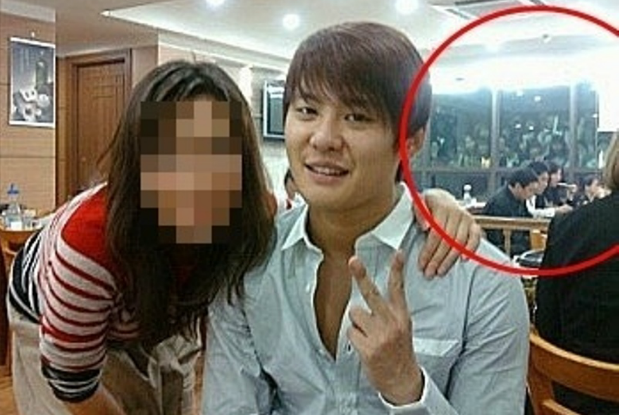
The expectation of perfection in the K-pop industry is perhaps most evident in the "apology culture" surrounding an idol’s social life. In August 2013, Jonghyun of the boy group SHINee was photographed by a fan while attending a movie with a female acquaintance. Despite the lack of evidence regarding a romantic relationship, the mere suggestion of a "date" sparked significant backlash within the community.
In response, Jonghyun issued a lengthy apology via Twitter. He clarified that the individuals were merely friends and expressed regret for causing distress to his followers. His statement, "Even though it’s not something I should be sorry about, I’m sorry," perfectly encapsulates the paradoxical nature of the idol-fan relationship. Idols are often pressured to apologize for engaging in normal human activities—such as dating or socializing—because those actions are perceived as a "betrayal" of the romantic fantasy sold by the industry. This environment fosters a cycle of guilt and appeasement, where artists are forced to prioritize fan sentiment over their own fundamental rights to privacy and social interaction.

Physical Safety and Airport Logistics
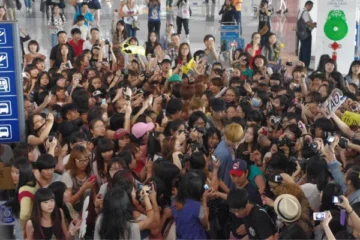
The transition from online harassment to physical danger is most visible at international airports. As K-pop’s global footprint expanded, "airport fashion" became a curated marketing tool, encouraging fans to gather at terminals to photograph their idols. However, these gatherings frequently devolve into chaos. In 2012 and 2013, numerous incidents involving groups like EXO and SHINee highlighted the lack of adequate security protocols.
Fans, driven by the desire for close-proximity photographs or physical contact, have been known to swarm artists, leading to stampedes, falls, and injuries for both the celebrities and the fans themselves. Despite the recurring nature of these events, entertainment agencies were often slow to implement rigorous security measures, fearing that a heavy-handed approach might alienate the fanbase. This neglect demonstrates a systemic failure to balance the commercial benefits of fan proximity with the basic physical safety of the performers.
The Economics of Entitlement: The Customer is Always Right?
The root of this toxic behavior lies in the commercialization of the K-pop experience. Fans are not merely listeners; they are high-stakes consumers who invest heavily in albums, merchandise, concert tickets, and digital voting. The industry’s marketing strategies often intentionally blur the line between professional admiration and personal ownership. When fans spend thousands of dollars to ensure a group’s success, a sense of "investor entitlement" begins to take hold.
This "customer is always right" mentality is weaponized to justify intrusive behavior. Some fans believe that their financial contribution grants them the right to dictate an idol’s behavior, social circle, and even their career trajectory. This creates a poisonous environment where artists are viewed as characters in a narrative rather than autonomous human beings. The industry’s reluctance to reprimand bad behavior further solidifies this entitlement, as silence from agencies is often interpreted as tacit approval.

Chronology of Key Events and Trends (2012–2013)
To understand the escalation of these issues, it is necessary to view them through a chronological lens:
- January 2012: Reports of "sasaeng" (stalker) fans tracking idols via GPS and breaking into dormitories become a major topic of public discourse in South Korea.
- February 2013: Krystal Jung’s Instagram becomes a target for harassment following G-Dragon’s "likes," leading to the account’s eventual deletion.
- July 2013: The "Only 13" movement intensifies its demands, forcing Super Junior’s Eunhyuk to publicly define the status of Henry and Zhou Mi to mitigate fan anger.
- August 2013: Jonghyun (SHINee) issues a public apology for a movie outing, highlighting the extreme sensitivity regarding the personal lives of male idols.
- Late 2013: A series of airport "mobs" leads to calls for better security, though industry-wide changes remain slow and inconsistent.
The Role of Netizens and the Burden of Reputation
While "fans" are often the primary actors in these scenarios, the broader "netizen" (internet citizen) community plays a significant role in enforcing social standards. In South Korea, public reputation is paramount. A single negative post on a community site can trigger a "witch hunt" that destroys a career overnight. This hyper-surveillance means that idols are constantly under a microscope, with every gesture and word analyzed for potential controversy.
The hypocrisy of this system is stark: fans and netizens demand moral and behavioral perfection from idols while frequently engaging in cyberbullying, doxing, and harassment themselves. This double standard is a significant contributor to the high rates of anxiety and depression reported among K-pop performers.
Implications for the Future of the Industry
The persistence of these issues poses a long-term threat to the sustainability of the K-pop model. As the genre continues to globalize, the clash between traditional Korean idol expectations and international standards of privacy and labor rights will likely intensify.

There is an urgent need for a shift in how entertainment agencies manage their talent. Protection must move beyond physical security at airports and into the realm of legal and psychological support. Agencies must be willing to take a stand against toxic fan behavior, even at the risk of short-term financial loss. By setting firm boundaries and prosecuting those who engage in harassment or hacking, companies can begin to dismantle the culture of entitlement.
Furthermore, the responsibility lies with the fans themselves. The same organizational power used to build "light stick oceans" and fund massive charity drives must be redirected toward self-regulation. Mature fan communities have already begun to call out inappropriate behavior within their ranks, but this needs to become the industry standard rather than the exception.
The blind negativity and intrusive behavior that characterized the early 2010s served as a warning. For K-pop to flourish as a global cultural force, it must transition from a model of "ownership" to one of "mutual respect." The "customer" may be paying for the music and the performance, but they have no claim to the person behind the persona. Whether the industry and its followers are willing to accept this reality will determine the future well-being of the artists who make the phenomenon possible.
Related News