
The global ascent of South Korean popular music, widely known as K-pop, has transformed from a regional cultural export into a dominant force in the international music industry. This phenomenon, often categorized under the broader umbrella of the "Hallyu" or Korean Wave, is not merely defined by the success of its artists but by the unique, multi-staged psychological journey of its consumers. For many, the transition from a casual listener to a dedicated "stan" follows a predictable trajectory characterized by initial skepticism, intense immersion, and an eventual search for equilibrium. Understanding this cycle provides critical insight into how the K-pop industry—led by major agencies such as SM Entertainment, YG Entertainment, JYP Entertainment, and HYBE—cultivates one of the most loyal and economically active consumer bases in the modern world.
Phase I: The Sensory Shock and Initial Skepticism
The introductory stage of K-pop fandom is frequently marked by a sense of profound cultural disorientation. For observers in Western or non-Asian markets, the first encounter with a K-pop music video often presents a sensory overload. The aesthetic hallmarks of the genre—high-budget "box sets," vibrant neon palettes, meticulously synchronized choreography, and gender-fluid fashion—can be jarring to those accustomed to different stylistic norms.
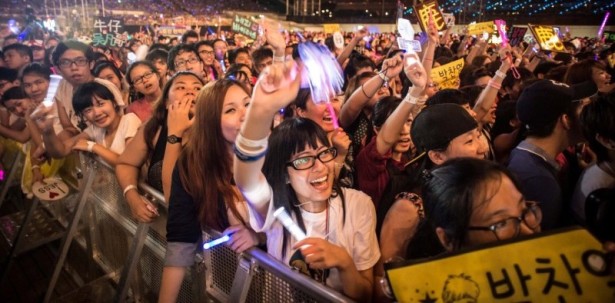
During this phase, many potential fans express resistance. The highly produced nature of the content can lead to perceptions of the genre as "gimmicky" or overly manufactured. Furthermore, those already familiar with one segment of the industry may exhibit a defensive loyalty to their first group. For example, during the mid-2010s, it was common for fans of established groups like B.A.P to view the rise of BTS with skepticism, often dismissing the latter as a derivative of the former’s "hip-hop idol" concept. This initial friction is a common barrier to entry, as the newcomer struggles to reconcile the intense visual and auditory demands of the genre with their existing musical tastes.
Phase II: The Investigative Search and Algorithmic Pull
Despite initial reservations, the "investigative stage" typically begins when a specific melody or visual element lingers in the observer’s subconscious. Music critics often point to experimental tracks like Girls’ Generation’s 2013 hit "I Got a Boy" as quintessential examples of this "earworm" effect. The song’s jarring transitions between genres—ranging from bubblegum pop to dubstep—initially confused listeners but ultimately drove massive engagement through repeat views.
In this stage, curiosity compels the individual to conduct preliminary research. Digital platforms play a crucial role here; YouTube’s recommendation algorithms and social media trends facilitate a deep dive into an artist’s discography. What begins as a search for a single song often evolves into an hour-long exploration of variety show appearances, dance practices, and behind-the-scenes content. This transition is pivotal, as it shifts the consumer’s focus from the music alone to the personalities and "narratives" of the idols themselves.

Phase III: The Deep Dive and the Psychology of the ‘Bias’
The third stage, often referred to as the "obsessive phase," represents a total immersion into the fandom ecosystem. It is here that the industry’s business model—centered on the cultivation of parasocial relationships—becomes most effective. Fans begin to learn the names, birthdays, and personality traits of every member in a group, eventually selecting a "bias" (a favorite member) and an "ultimate bias" across the entire genre.
This phase is characterized by a significant shift in time management and priorities. The fan becomes an active participant in the "stan" community, utilizing platforms like X (formerly Twitter), Weverse, and Bubble to receive real-time updates. The emotional stakes are heightened; fans may feel a personal responsibility to ensure their favorite group’s success by participating in coordinated streaming "parties" or voting for year-end awards. During this period, the line between entertainment and lifestyle blurs, as the fan subjects their immediate social circle to constant K-pop content, often acting as an unpaid brand ambassador for the artists.
Phase IV: The Crisis of Denial and Reality Check
As the addiction deepens, the "denial stage" emerges. This occurs when the fan’s commitment to the fandom begins to conflict with their real-world obligations. Whether it is staying up until 4:00 AM to watch a livestream from Seoul or neglecting academic and professional responsibilities to follow a world tour, the fan often refuses to acknowledge the imbalance.

Industry analysts note that K-pop’s release cycle—which includes "concept photos," "MV teasers," and "countdown lives"—is designed to maintain a constant state of anticipation, making it difficult for fans to disengage. The repetitive nature of the consumption, such as listening to SHINee’s "Ring Ding Dong" or similar high-energy tracks hundreds of times, serves as a form of escapism that reinforces the denial of the fan’s growing dependency.
Phase V: Acknowledgement and the ‘Semi-Hiatus’
Eventually, the physical and social consequences of hyper-fandom become undeniable. The "acknowledgement stage" is often triggered by burnout or a significant life event that demands the fan’s full attention. Common symptoms include a realization of financial strain from purchasing "merch" and albums, or the exhaustion following an intense "comeback" season.
At this juncture, many fans declare a "semi-hiatus." This is a strategic withdrawal from the digital community to focus on "real life." This phase is critical for the long-term health of the consumer, as it allows for an assessment of whether their happiness is too closely tied to the volatile successes and failures of an idol group. It is a period of reflection on the emotional labor involved in being a modern fan.

Phase VI: The Rehabilitation and Relapse Cycle
Rehabilitation involves a conscious effort to return to a "normal" routine. This includes re-engaging with other musical genres, adhering to a regular sleep schedule, and reducing social media consumption. For some, this stage is successful, leading to a more moderate engagement with pop culture.
However, the "relapse" is a frequent occurrence in the K-pop community. The catalyst is often a major event, such as a group winning a "Daesang" (Grand Prize) at the MAMA Awards or a beloved member posting a rare personal update. The feeling of missing out (FOMO) on a historic moment for the group can trigger a surge of guilt, pulling the fan back into a state of intense devotion. This relapse can sometimes result in an even deeper level of attachment than before, as the fan attempts to compensate for their period of absence.
Phase VII: The Final Divergence – Harmony or Renouncement
The cycle typically concludes in one of two ways:

- The Balanced Stage: The fan achieves a state of "Hallyu Harmony." They continue to support their favorite artists and enjoy the music but no longer allow the fandom to dictate their emotional well-being or daily schedule. They have learned to navigate the industry’s marketing tactics with a level of critical distance, enjoying the content without the pressure of "stanning" at full capacity.
- The Renouncement: Conversely, some fans undergo a complete detachment. This "falling out of love" can be natural—a result of aging and shifting interests—or it can be reactionary. Scandals, group disbandments, or perceived declines in musical quality can lead to a total exit from the community. For these individuals, K-pop was a specific chapter of their lives that has now closed.
Economic and Cultural Implications
The trajectory of the K-pop fan is not merely a personal journey; it is the engine of a massive economic machine. According to data from the Korea Customs Service, K-pop album exports reached a record high of nearly $290 million in 2023, a testament to the purchasing power of global fans who have reached the "obsessive" or "balanced" stages.
The industry’s reliance on this cycle has led to the development of sophisticated digital ecosystems. Agencies no longer just sell music; they sell access and community. The transition from a "confused observer" to a "diehard devotee" is a path paved with intentional marketing milestones. However, as the global market matures, there is an increasing conversation regarding the mental health of both the idols and the fans.
Conclusion
The evolution of a K-pop fan is a complex interplay of psychology, digital marketing, and cultural exchange. While the stages of fandom can mirror the patterns of addiction, they also offer a sense of belonging and a unique form of artistic appreciation that transcends borders. As the genre continues to evolve with the integration of AI and the expansion into Western-led collaborations, the cycle of fandom will likely adapt, but its core remains the same: a powerful emotional journey that transforms a simple listener into a lifelong participant in a global cultural movement. Whether one finds a healthy balance or eventually moves on, the experience of the K-pop fandom cycle remains a defining feature of 21st-century digital life.