The rapid globalization of South Korean popular music, commonly known as K-pop, has fostered an unprecedented level of diversity within its international fandom. As the "Hallyu Wave" continues to crash onto foreign shores, it has created a unique cultural crossroads where fans from disparate backgrounds bond over shared entertainment interests. However, for Black K-pop fans, this engagement is often fraught with complexity, as the industry’s heavy reliance on Black musical traditions—ranging from Hip-Hop and R&B to Jazz and Soul—frequently intersects with issues of cultural appropriation, racial stereotyping, and historical ignorance. This analysis examines the multifaceted relationship between Black culture and K-pop, drawing on the insights of dedicated observers and the historical trajectory of the industry’s evolution.
The Foundation of Influence: Black Musical Roots in K-pop
To understand the current friction between the K-pop industry and its Black audience, one must first acknowledge that modern K-pop is structurally built upon the foundations of Black American music. The inception of the modern idol system in the early 1990s, spearheaded by groups like Seo Taiji and Boys, was defined by the integration of New Jack Swing, rap, and breakdancing. This trend only intensified in the 2000s and 2010s, as South Korean entertainment agencies began hiring American producers and choreographers to refine the "K-pop sound."
The influence of Michael Jackson, for instance, is foundational to the K-pop aesthetic. From the precision of synchronized choreography to the visual storytelling in music videos, Jackson’s legacy is visible in the work of countless idols, such as SHINee’s Taemin and Teen Top’s Niel. Furthermore, the rise of "Hip-Hop" as a dominant concept for rookie groups has led to a deeper, though sometimes superficial, engagement with the genre. Artists like BTS’s RM (formerly Rap Monster) have been noted for their genuine appreciation, frequently recommending tracks by Black artists such as D’Angelo, Prince, and India Arie. This level of engagement suggests a move toward "cultural appreciation," where the artist acknowledges the source of their inspiration rather than merely consuming its aesthetic.

Chronology of Cultural Friction and Controversy
Despite the deep musical ties, the history of K-pop is marked by recurring incidents that Black fans find deeply problematic. These incidents often stem from a lack of historical context regarding racial symbols and practices in the West.
- The Misuse of Symbols (2013–2015): The appearance of the Confederate flag in K-pop fashion—such as in Infinite H’s promotional materials—sparked significant backlash. While some fans defended the use by citing American rapper Kanye West’s controversial use of the symbol, critics argue that one individual’s provocations do not negate the flag’s history of white supremacy and oppression.
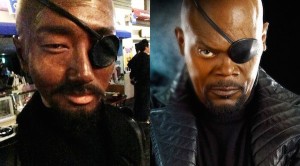
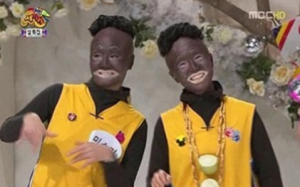
- The Blackface Phenomenon: For years, variety shows and music programs in South Korea featured "comedic" sketches involving blackface. High-profile idols, including Super Junior’s Yesung and members of Block B, have faced criticism for participating in or defending such depictions. These instances are often dismissed by agencies as "cultural ignorance," yet for Black fans, they represent a painful erasure of their humanity.
- Concept Appropriation: The 2015 release of 4Minute’s "Crazy" and the viral success of Keith Ape’s "It G Ma" brought the debate over appropriation to the forefront. Critics pointed out that while these artists adopted the aesthetics, slang, and "tough" posturing associated with Black Hip-Hop culture, they often treated these elements as a "costume" to be discarded once the trend shifted.
- Verbal Slurs and Animosity: The use of racial slurs in lyrics remains a point of contention. Artists such as San E and Zico have faced scrutiny for using derogatory language. While some rappers claim these choices are intended to project "authenticity" or vent frustration regarding their own struggles for acceptance in the global rap scene, the impact on the Black community is one of alienation.
Cultural Appropriation vs. Appreciation: A Critical Distinction
The distinction between appropriation and appreciation is a central theme in the discourse among Black K-pop fans. Appropriation is defined as the adoption of elements of one culture by members of another culture, particularly when the adopting group is in a position of greater social or political power and uses those elements without permission or understanding of their original context.

In K-pop, this often manifests as "acting Black" to appear edgy or authentic. Observers note that many Korean rappers emulate the most popular mainstream Black artists without researching the history of Hip-Hop, its African roots, or the social struggles that birthed the genre. This lack of research is increasingly viewed as a sign of disrespect, especially as Korean agencies aggressively pursue success in the U.S. market.
Conversely, cultural appreciation involves a respectful engagement with the source material. This includes recognizing the contributions of Korean Hip-Hop legends like Tiger JK, Tasha Reid (Yoon Mi-rae), and Dynamic Duo, who have historically maintained a more nuanced and respectful relationship with Hip-Hop culture. When idols encourage their fans to listen to the Black artists who inspired them, they bridge the gap between consumption and education.

The Fan Experience: Alienation and Identity
The experience of being a Black fan in a predominantly non-Black international fandom adds another layer of complexity. Black fans often report feeling invisible in fan-produced content. For example, in "reader-insert" fanfiction—a popular genre where fans imagine themselves in a relationship with their favorite idols—the physical descriptions of the protagonist often default to Eurocentric or East Asian features. Descriptions of a love interest "running their hands through long, straight hair" can be alienating for Black fans with different hair textures, highlighting a lack of inclusivity in the broader fan culture.
Furthermore, Black fans must navigate the "colorism" prevalent in East Asian entertainment. Darker skin is often portrayed as "unpleasant" or "exotic" in South Korean media, and the only representations of Black sensuality available are often limited to global superstars like Beyoncé or Nicki Minaj. This creates a environment where Black fans may feel their own desirability is questioned or fetishized rather than normalized.
Supporting Data and Industry Implications
The financial stakes of this cultural dialogue are significant. According to the Korea Creative Content Agency (KOCCA), K-pop’s global exports exceeded $700 million by the mid-2010s, with a substantial portion of that growth coming from North America and Europe. As the industry scales, the "cost of ignorance" rises.
- Market Sensitivity: Western consumers, particularly those from marginalized communities, are increasingly vocal about social justice. An agency that ignores racial insensitivity risks devaluing its brand in lucrative Western markets.
- The Power of Social Media: Platforms like Twitter and Tumblr have allowed Black fans to organize and directly contact Korean labels. Seven Seasons, the agency for Block B, has previously responded to fan education efforts regarding racial slurs, suggesting that institutional change is possible when fans leverage their collective voice.
- Historical Parallels: Analysts have pointed out the irony in K-pop’s "slave contracts" and the exploitation of Black artists in the early American music industry. Both groups have faced systemic oppression and the theft of intellectual property, a shared history that some argue should foster a natural solidarity between Black fans and Korean artists.
Official Responses and the Path to Accountability
The response from South Korean entertainment companies to racial controversies has been inconsistent. In many cases, the "silence" strategy is employed, where the agency waits for the news cycle to move on without issuing a formal apology. However, as the industry matures, some labels have begun to take accountability.

When international fans reached out to Seven Seasons regarding Zico’s use of slurs, the agency’s positive response was seen as a step forward. However, the recurring nature of these incidents suggests that "reactionary" apologies are not enough. Critics argue that agencies need to implement cultural sensitivity training and hire diverse consultants to ensure that concepts and lyrics do not inadvertently promote racism or stereotypes.
The "let it slide" defense—often used by non-Black fans to shield their favorite idols from criticism—is increasingly viewed as a form of passive-aggressive dismissal. By claiming that idols "don’t know any better," these fans are inadvertently suggesting that the artists lack the intelligence or agency to learn about the cultures they are profiting from.

Broader Impact and Future Outlook
The intersection of Black identity and K-pop is more than just a clash of fandoms; it is a microcosm of global cultural exchange in the digital age. Music has the power to act as a "stained-glass window," where a kaleidoscope of colors and cultures creates a more beautiful whole. For this to be achieved in K-pop, there must be a shift from the "minstrelsy" of the past to a future of mutual respect.
Black fans continue to support K-pop because of the high quality of the music, the performance, and the community they have built. Many have used their interest in K-pop as a springboard to learn the Korean language, try Korean cuisine, and engage with Asian culture more broadly. In return, they seek a reciprocal respect for the Black community’s contributions to the global cultural landscape.
The goal is not to gatekeep Hip-Hop or R&B, but to ensure that when these genres are used as a vehicle for success, the history and people behind them are not erased or mocked. As K-pop artists continue to break records on the Billboard charts and perform in global arenas, the industry’s ability to navigate cultural sensitivity will be the ultimate test of its status as a truly global powerhouse. Respecting the roots of K-pop means respecting the Black community—a sentiment that, if embraced, could lead to a more inclusive and sustainable future for the Hallyu Wave.