The Intersection of K-pop Fandom and Global Social Movements Analyzing the Power and Paradox of Digital Collectivism
Article Editorial Team
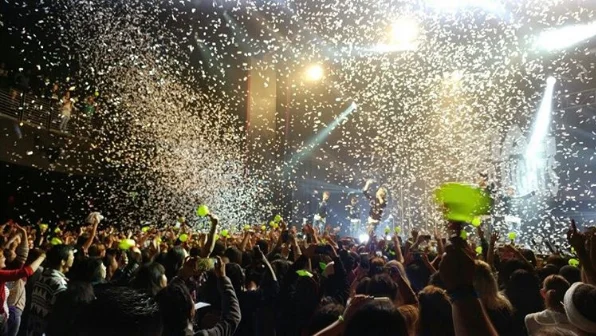
The rise of digital globalization has transformed the traditional concept of celebrity worship into a sophisticated, highly organized form of collective action that mirrors the structure of modern social movements. In the contemporary landscape of global entertainment, fandom is no longer a passive pursuit of consumption; it has evolved into a formidable geopolitical and social force capable of influencing international politics, shifting financial markets, and dictating the terms of social justice discourse. While the primary objective of any fandom remains the support and elevation of a specific artist, the mechanisms employed by these groups—particularly within the sphere of K-pop—have increasingly intersected with broader societal struggles, revealing a complex duality between genuine activism and protective tribalism.
The Sociological Framework of K-pop Fandom
To understand why K-pop fandoms operate with such high levels of efficiency, one must examine the sociological underpinnings of collectivism. In many Western cultures, the individual is the primary unit of social analysis. However, K-pop emerges from a South Korean cultural context where collectivism—prioritizing the goals and well-being of the group over the individual—is a foundational value. This cultural trait is mirrored in the way fandoms, such as BTS’s ARMY or Stray Kids’ STAY, organize themselves.
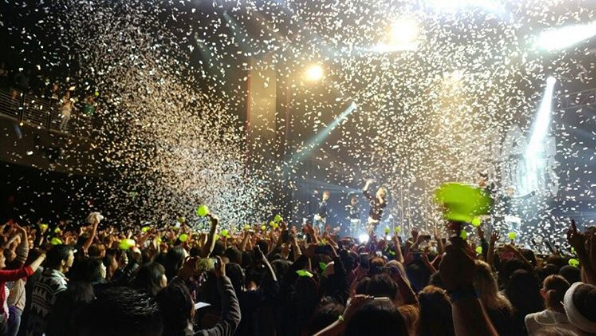
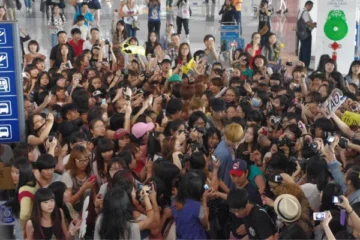
Social movements are formally defined as forms of collective action that span various networks and interactions between groups and individuals, all working toward a common goal derived from a shared identity. K-pop fandoms fit this definition with precision. They transcend borders of race, age, gender, and geography, yet they move as a single unit when a goal is identified. Whether the objective is to secure a music show win, fund a massive billboard for an idol’s birthday, or mobilize for a political cause, the collective identity of the "fan" overrides individual differences, creating a streamlined engine for mobilization.
Globalization and the Hallyu Wave as a Catalyst
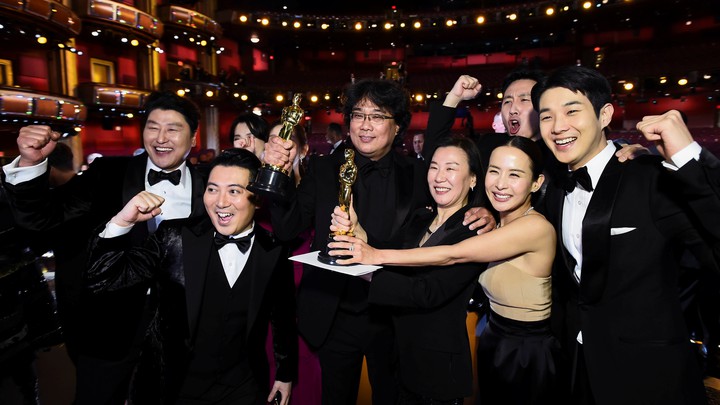
The phenomenon of the "Korean Wave," or Hallyu, has been a strategic success story of globalization. Over the past decade, South Korea has successfully exported its cultural products—from cinema and skincare to music and cuisine—on an unprecedented scale. The 2020 Academy Award sweep by Bong Joon-ho’s Parasite and the 2021 Best Supporting Actress win by Youn Yuh-jung for Minari signaled a shift in the global cultural hierarchy.
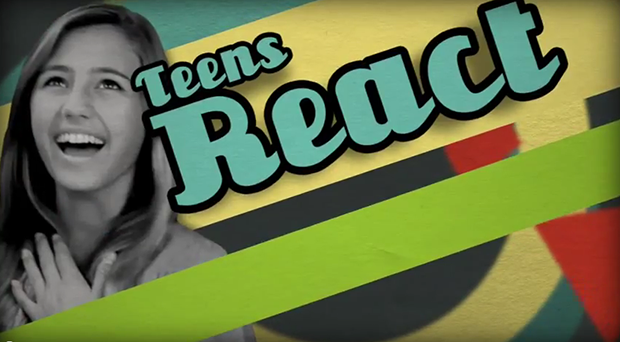
K-pop serves as the vanguard of this movement. Groups like BTS and BLACKPINK have moved beyond the "niche" label to become global household names, selling out stadiums in minutes and dominating Western charts. This success is not accidental; it is supported by a sophisticated marketing ecosystem designed for maximum shareability. A key component of this is the "reaction video" genre, where creators like ReacttotheK analyze the technical and emotional aspects of K-pop releases. These videos create a feedback loop of engagement, inviting viewers into the fandom experience and lowering the barrier to entry for international audiences. As these cultural products spread, so too does the influence of the organized fan groups behind them.
A Chronology of Political and Social Mobilization
The year 2020 marked a turning point where the latent power of K-pop fandoms was directed toward explicit political and social ends. The following timeline illustrates the rapid escalation of fan-led activism:
- June 4, 2020: In the wake of global protests following the death of George Floyd, BTS and their label, Big Hit Entertainment (now HYBE), announced a $1 million donation to the Black Lives Matter (BLM) movement.
- June 5–7, 2020: The BTS fan organization "One in an ARMY" launched the #MatchItForward and #MatchAMillion campaigns. Within 24 hours of the hashtag trending, fans raised over $800,000. By the 72-hour mark, the total surpassed $1 million, effectively matching the group’s initial contribution through thousands of small-dollar donations.
- June 2020: K-pop fans engaged in a digital "takeover" of the #WhiteLivesMatter hashtag. By flooding the tag with millions of "fancams" (short clips of idols performing), they effectively rendered the racist rhetoric invisible and unusable for those seeking to promote white supremacist views.
- June 20, 2020: K-pop fans and TikTok users were credited with disrupting a campaign rally for Donald Trump in Tulsa, Oklahoma. Thousands of fans reserved tickets for the event with no intention of attending, leading to a significantly lower-than-expected turnout that left the venue half-empty and forced the cancellation of an outdoor overflow event.
- Early 2021: Fandoms like STAY (Stray Kids) and others utilized trending hashtags to navigate domestic scandals in South Korea, such as the wave of bullying allegations involving idols like Hyunjin. These campaigns were designed to signal continued consumer loyalty to agencies, influencing how companies managed the "hiatus" or return of controversial members.
The Mechanics of Digital Weaponization
The efficiency of these movements relies on specific digital tactics. "Mass voting" and "streaming parties" are standard practices where fans coordinate to boost an artist’s ranking on platforms like Billboard, Spotify, or Korean music charts. These same tactics are easily pivoted toward social justice.
However, the same "collectivist" energy that fuels million-dollar donations can also be weaponized to silence dissent. Within fandom circles, the practice of "clearing the searches" is common. When an idol is involved in a scandal or faces criticism, fans flood search engines and social media with positive phrases and unrelated images. While fans frame this as a protective measure against "hate speech," critics argue it is an attempt to obscure legitimate accountability and manufacture a sanitized reality.
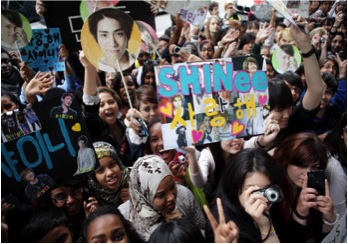
Furthermore, the "dogpiling" of critics has become a pervasive issue. When individuals—often from minority communities themselves—point out instances of cultural appropriation or the use of offensive language by idols, they are frequently met with a barrage of harassment from the collective fandom. This creates a paradox where a movement that claims to support Black Lives Matter may simultaneously harass Black fans who express discomfort with an artist’s behavior.
Institutional Responses and Agency Strategy
Entertainment agencies have taken note of the power dynamics inherent in modern fandom. In the past, agencies were the sole gatekeepers of an artist’s image. Today, the relationship is more symbiotic. Agencies like HYBE, JYP, and SM Entertainment now monitor fan sentiment as a primary metric for decision-making.
When fans mobilized for BLM, it forced a shift in how these corporations viewed their social responsibility. However, the response is often calculated. Statements of support are frequently issued only after significant fan pressure, suggesting that the "activism" of the industry is often a reaction to the market power of the fandom rather than a core corporate value. This creates a cycle where fans feel empowered to demand social change, but the agencies only comply when it aligns with the preservation of their "brand."
Broader Impact and Ethical Implications
The transformation of fandom into a social movement raises critical questions about the future of digital activism. On one hand, K-pop fans have demonstrated that decentralized, global networks can achieve tangible results—such as raising millions of dollars or disrupting political rallies—more quickly than many traditional non-profit organizations. They have proven that "stanning" can be a gateway to civic engagement.
On the other hand, the goal of fandom-based activism is fundamentally different from traditional social justice work. Traditional social movements are centered on systemic change and justice for marginalized groups. Fandom-based movements are centered on the protection and promotion of a person—the idol. When these two goals align, the results are powerful. When they clash, the idol almost always takes precedence.
This person-centric model of activism is inherently limited. It risks creating a "performative" version of justice where social causes are treated as trending topics to be "won" or "conquered" in the same way a music chart is topped. Moreover, the intense loyalty required in these spaces can lead to a "chilling effect," where fans are afraid to voice critical opinions for fear of being ostracized from their community.
Conclusion: The Future of the Fan-Activist
As the lines between entertainment and politics continue to blur, the role of the K-pop fan as a political actor will likely expand. The infrastructure for global mobilization is already built, tested, and proven. However, the longevity and moral consistency of this movement depend on whether fandoms can move beyond the "defense of the idol" and embrace a more nuanced form of advocacy that allows for internal critique and accountability.
While K-pop fandoms have undeniably done significant good in the world, they remain, at their core, centered on the celebrity. The power they wield is immense, but it is a power that is currently tied to the whims of the entertainment industry and the emotional bonds of the fan-artist relationship. As we move forward, the challenge for these digital collectives will be to determine if their commitment to justice can exist independently of the stars they follow, or if their activism is simply another facet of the modern celebrity cult. In the end, a social movement is defined by its goal; in K-pop, that goal remains a person, leaving the quest for systemic justice as a secondary, albeit potent, byproduct of the fandom experience.
Related News