The Dual Nature of K-pop Fandoms as Global Social Movements: Power, Collectivism, and the Pursuit of Idol Advocacy
Article Editorial Team
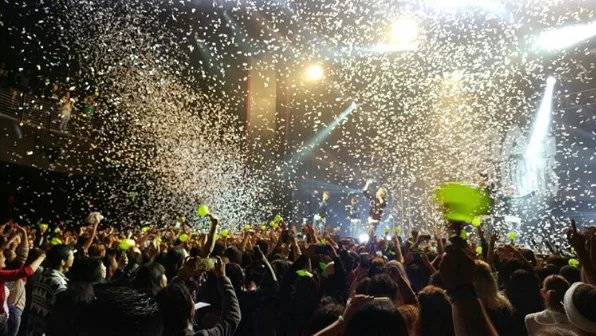
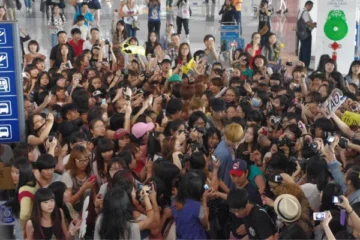
The contemporary landscape of celebrity culture has undergone a radical transformation, evolving from passive viewership into a highly organized, influential, and often volatile phenomenon known as the modern fandom. While fan bases have existed for decades, the advent of digital globalization and social media has empowered these groups to function as sophisticated social movements. In the realm of K-pop, this evolution is most pronounced. Fans of South Korean artists do not merely consume music; they operate as decentralized global networks capable of mobilizing millions of dollars for charity, influencing international political events, and altering the digital discourse of social justice. However, this collective power is a double-edged sword. While it can be harnessed for significant societal good, it is fundamentally anchored to the protection and promotion of a central figure—the idol—which can lead to the weaponization of the collective against dissenting voices and accountability.
The Intersection of Globalization and the Korean Wave
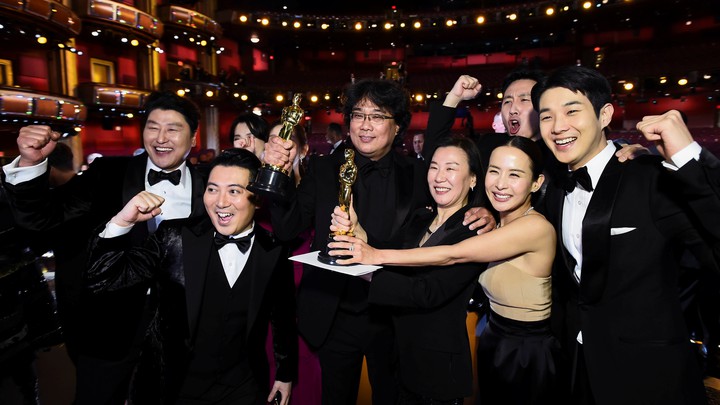
The rise of K-pop activism cannot be understood without examining the broader context of Hallyu, or the "Korean Wave." Over the past two decades, South Korea has successfully exported its cultural products, including cinema, television, and music, to every corner of the globe. This "soft power" strategy reached a fever pitch in the early 2020s. In 2020, director Bong Joon-ho’s Parasite made history as the first non-English language film to win Best Picture at the Academy Awards. The following year, veteran actress Youn Yuh-jung secured an Oscar for her role in Minari, further cementing Korean talent in the global consciousness.
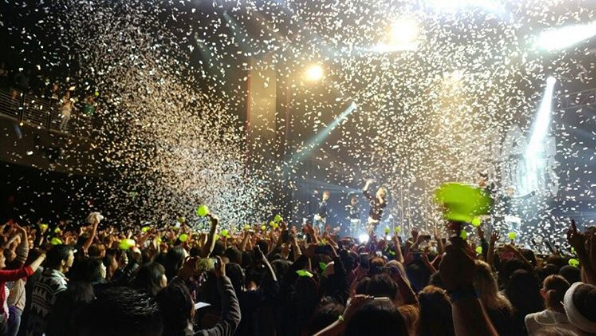
K-pop serves as the vanguard of this cultural expansion. Groups like BTS, Blackpink, and Stray Kids have transitioned from niche interests to mainstream juggernauts, selling out stadiums in North America, Europe, and Southeast Asia. This success is not accidental; it is the result of meticulous marketing and the leveraging of digital platforms to bypass traditional media gatekeepers. Korean entertainment agencies have mastered the art of "shareability," encouraging fans to create reaction videos, dance covers, and fan-edited content. This creates a feedback loop where the consumer becomes a secondary marketer, deeply invested in the artist’s success.
Defining the Fandom as a Social Movement
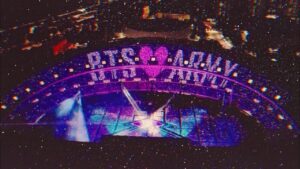
In sociological terms, a social movement is defined as a form of collective action involving networks of individuals and groups working toward a common goal based on a shared identity. K-pop fandoms—such as BTS’s ARMY, Stray Kids’ STAY, or Blackpink’s BLINK—fit this definition with precision. These groups span diverse demographics, crossing lines of race, age, gender, and nationality, yet they operate with a unified purpose.
The efficiency of these fandoms is often attributed to the cultural concept of collectivism. Unlike the individualistic focus prevalent in many Western societies, East Asian cultures often emphasize the well-being and reputation of the collective unit. In the context of K-pop, this collectivism manifests as a "fan-artist" partnership. The success of the idol is viewed as the success of the fan, leading to a level of dedication that includes mass-voting for awards, organized "streaming parties" to boost chart rankings, and large-scale philanthropic projects.
A Chronology of K-pop Political and Social Mobilization
The transition of K-pop fans from music enthusiasts to political actors became undeniable during the summer of 2020, a year marked by global upheaval and the resurgence of the Black Lives Matter (BLM) movement.
June 2020: The Black Lives Matter Donation
On June 4, 2020, BTS and their agency, Big Hit Entertainment (now HYBE), announced a $1 million donation to Black Lives Matter. The response from the fandom was instantaneous. Under the hashtag #MatchAMillion, a fan-led charity collective known as "One in an ARMY" organized a campaign to mirror the group’s contribution. Within 24 hours, over 35,000 donors had contributed, and by June 7, the fandom had successfully matched the $1 million mark. This event demonstrated that fandom infrastructure—originally designed for buying albums and voting for music shows—could be repurposed for rapid-response humanitarian aid.
June 2020: The Tulsa Rally Disruption
Later that same month, K-pop fans gained international headlines for their alleged role in disrupting a campaign rally for then-President Donald Trump in Tulsa, Oklahoma. Coordination took place across TikTok and Twitter, where fans and teenage activists registered for hundreds of thousands of free tickets with no intention of attending. While the Trump campaign denied the impact of the prank, the rally saw a significantly lower turnout than expected, with just under 6,600 attendees in a 19,000-seat arena. The event signaled a new era of digital "hacktivism" led by youth subcultures.
Ongoing Digital Resistance
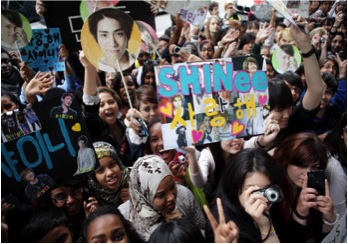
Fandoms have also utilized "hashtag flooding" as a tool of digital resistance. When white supremacist or anti-progressive hashtags began trending on Twitter, K-pop fans responded by flooding those tags with thousands of "fancams"—short videos of idols performing. By overwhelming the platform’s algorithm with unrelated content, they effectively rendered the original hateful hashtags unusable and invisible to the average user.
The Mechanics of Digital Mobilization and Data Trends
The power of K-pop fandoms is rooted in their data-driven approach to advocacy. Platforms like Twitter serve as the primary command centers. Research into "ARMY" activity reveals a sophisticated hierarchy of accounts:
- Update Accounts: Provide real-time news and translations.
- Voting/Streaming Bases: Coordinate efforts to manipulate digital algorithms.
- Charity Collectives: Vet and promote non-profit organizations.
- Legal/Translation Teams: Handle issues regarding artist rights or misinformation.
This structure allows for a level of speed that traditional NGOs often lack. For example, during the 2021 surge of the COVID-19 pandemic in India, K-pop fan bases raised millions of rupees for oxygen concentrators and relief funds within days. According to Twitter’s internal data, there were over 7.5 billion tweets about K-pop globally in 2021 alone, illustrating the sheer volume of the digital footprint these movements command.
The Shadow Side: Weaponization and the "Protection" of the Idol
Despite the accolades for their activism, the collective power of fandoms has a darker application. Because the core identity of the movement is tied to a specific person, the goal is often "protection" rather than "justice." This can lead to the silencing of dissent and the harassment of individuals who criticize an idol or the fandom’s behavior.
Silencing Internal Criticism
A recurring issue within global fandoms is the treatment of minority fans, particularly Black fans. While fandoms may mobilize for BLM, individual Black fans often report being "dogpiled" or harassed when they point out instances of cultural appropriation or the use of racial slurs by idols. In these instances, the collective prioritizes the idol’s reputation over the concerns of the marginalized groups they claim to support.
SEO Manipulation and "Clearing the Searches"
Fandoms frequently engage in "search clearing," a practice where fans post thousands of positive tweets using an idol’s name followed by innocuous words (e.g., "Idol Name Best Boy") to push negative news or scandals down in search engine results. While fans view this as a protective measure against "anti-fans," critics argue it is a form of information suppression that prevents honest discussion about an artist’s actions.
The Case of Stray Kids’ Hyunjin
In early 2021, a wave of bullying allegations hit several K-pop stars, including Stray Kids’ Hyunjin. While the artist eventually apologized and took a hiatus, the STAY fandom launched massive hashtag campaigns to demand his return and defend his character. This mobilization showed how fandoms can act as a pressure group on entertainment agencies, ensuring that the financial risk of removing a popular member outweighs the moral or social implications of the scandal.
Analysis of Implications: Fandom vs. Activism
The rise of the "fan-activist" presents a complex challenge for the future of social movements. On one hand, K-pop fandoms have democratized philanthropy and proved that digital communities can effect real-world change. They have provided a sense of belonging and agency to millions of young people across the globe.
On the other hand, the fundamental motivation of a fandom movement is parasocial—it is based on a one-sided emotional connection to a celebrity. True social movements are generally built on ideologies or the pursuit of systemic change. In contrast, fandom activism is often reactive and centered on the brand of the idol. If the interests of social justice and the interests of the idol’s image conflict, the latter almost always takes precedence.

Furthermore, entertainment agencies have begun to recognize the value of this activism as a marketing tool. By aligning artists with popular social causes, companies can enhance the "ethical brand" of their groups, further blurring the lines between genuine advocacy and corporate public relations.
Conclusion
K-pop fandoms represent the most potent example of how globalization and digital connectivity have redefined the concept of the "crowd." They are high-functioning, decentralized organizations capable of remarkable feats of generosity and political influence. However, as these groups continue to grow in power, the distinction between activism and idol worship becomes increasingly thin. While they have the tools to change the world, their primary loyalty remains to the person on the stage. As the world watches these digital movements evolve, the question remains whether the power of the collective will eventually transcend the celebrity at its center, or if it will remain a sophisticated tool for the preservation of the idol industry.
Related News