The Evolutionary Journey of K-pop Fandom From Initial Curiosity to Global Cultural Phenomenon
Article Editorial Team

The global ascent of South Korean popular music, widely known as K-pop, has transformed from a localized cultural export into a multi-billion-dollar international industry. Central to this meteoric rise is the unique and often intense trajectory of the K-pop fan. Unlike traditional music consumers, K-pop enthusiasts often undergo a structured socio-psychological journey that evolves from casual observation to deep emotional and financial investment. This progression, characterized by distinct stages of engagement, reflects broader trends in digital consumption, parasocial relationships, and the globalization of Korean media. As the "Hallyu" or Korean Wave continues to expand, understanding the mechanics of these fandom stages provides critical insight into the modern entertainment landscape and the power of digital communities.
The Genesis of Consumer Engagement: Sensory Exposure and Initial Resistance
The journey into the K-pop ecosystem typically begins with an introductory stage defined by sensory overload. For individuals residing outside of East Asia, the first encounter with K-pop—often through a viral YouTube video or a social media trend—can be jarring. The genre is characterized by high-production-value music videos, intricate "point" choreography, and a distinct aesthetic that often challenges Western gender norms through "flower boy" imagery or highly stylized "girl crush" concepts.
In this initial phase, many potential fans experience a sense of confusion. The structural complexity of K-pop groups, which often feature a large number of members with specific roles such as "main vocal," "lead dancer," or "visual," can be overwhelming to the uninitiated. Journalistic analysis of consumer behavior in this sector suggests that the "gimmicky" nature of the production—neon sets, synchronized movements, and English-language hooks—initially acts as a barrier for some. Furthermore, established fans of other genres or even existing K-pop "stans" (a portmanteau of "stalker" and "fan") may view new groups with skepticism. For instance, the debut of BTS in 2013 saw many early observers comparing them to B.A.P, leading to initial dismissals based on perceived derivative styles. This resistance is a common psychological defense mechanism against the "sensory bombardment" that defines the K-pop industry’s marketing strategy.
The Investigative Phase: The Role of Algorithmic Discovery
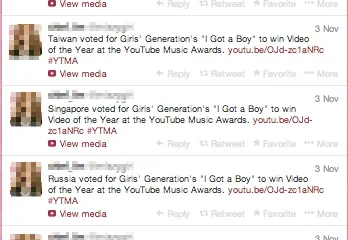
The transition from a confused observer to an interested investigator usually occurs when a specific element of the music or performance lingers in the consumer’s subconscious. This stage is heavily facilitated by digital algorithms. A single search for a song like Girls’ Generation’s "I Got a Boy" or a BLACKPINK hit can trigger a cascade of recommendations across platforms like YouTube and TikTok.
During the investigative stage, the consumer moves from passive viewing to active research. They begin to look beyond the title tracks, exploring "B-side" performances, "dance practice" videos, and variety show appearances. This period is crucial for humanizing the idols. In K-pop, the "idol" is not just a musician but a multi-faceted entertainer. By watching "behind-the-scenes" content, fans begin to distinguish individual personalities, which serves as the foundation for the parasocial bonds that define the later stages of fandom. Market data indicates that "variety content"—non-musical appearances where idols play games or share personal stories—is one of the highest drivers of long-term fan retention.
Hyper-Engagement and the Construction of Digital Identity
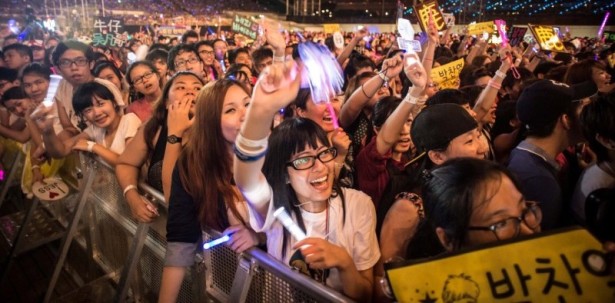
The third stage, often described as the "Obsessive Stage," marks the point where K-pop ceases to be a mere hobby and becomes a central pillar of the individual’s identity. This phase is characterized by a rapid descent into the nuances of fandom culture. The fan begins to learn the specialized vocabulary of the community, including terms like "bias" (a favorite member), "ultimate bias" (a favorite idol across the entire industry), and "bias wrecker" (a member who threatens to displace the favorite).
In this stage, the fan’s digital footprint changes significantly. They may create dedicated "fan accounts" on Twitter (now X), Instagram, or Tumblr to follow real-time updates. The industry capitalizes on this through direct-to-consumer communication apps such as SM Entertainment’s "Bubble" or HYBE’s "Weverse." These platforms allow idols to send messages directly to fans for a monthly subscription fee, deepening the emotional investment.

The economic impact of this stage is substantial. According to a 2023 report by Luminate, K-pop fans are significantly more likely than the average music listener to purchase physical albums, often buying multiple copies of the same record to collect randomized "photo cards" or to increase their chances of winning a ticket to a "fansign" event. This behavior has turned K-pop into one of the few remaining bastions of robust physical media sales in a streaming-dominated world.
Cognitive Dissonance and the Denial of Dependency
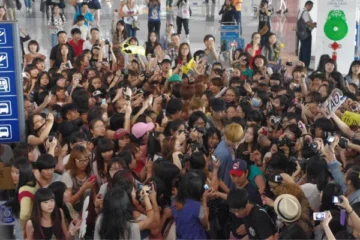
As engagement reaches its peak, many fans enter a stage of denial regarding the amount of time and resources they allocate to their fandom. The "stan" culture requires a high level of labor; fans organize "streaming parties" to boost a group’s chart positions, participate in "mass voting" for year-end awards, and engage in "fan wars" to defend their idols from criticism.
During this phase, the line between healthy enthusiasm and dependency becomes blurred. External observers—friends, family, or educators—may note a decline in the fan’s social or academic performance. However, the fan often justifies this behavior as being part of a global community. The denial stage is supported by the "echo chamber" effect of social media, where the fan is surrounded by thousands of others who share the same level of intensity, making extreme devotion appear normative.
The Acknowledgement Crisis and Behavioral Realignment
Eventually, the logistical and emotional toll of high-intensity fandom leads to the "Acknowledgement Stage." This is often triggered by a specific "slump" or a negative event within the fandom, such as a member’s departure from a group, a dating "scandal" (which can be perceived as a betrayal of the parasocial contract), or simply the accumulation of real-world responsibilities like exams or career milestones.

At this juncture, the fan is forced to confront the reality of their situation. The physical symptoms of exhaustion—often caused by staying up until the early hours of the morning to watch South Korean livestreams due to time zone differences—become undeniable. This stage often leads to a "semi-hiatus," where the fan publicly announces a break from social media to focus on their "IRL" (in real life) existence. This period of reflection is essential for the fan to assess whether their relationship with the music is still providing positive value or has become a source of stress.
Rehabilitation and the Path to Fandom Maturity
The "Rehabilitation Stage" involves a conscious effort to de-prioritize K-pop. This includes unsubscribing from paid communication apps, limiting time on social media, and re-engaging with other musical genres or hobbies. For many, this is a period of "detoxification" where they learn to appreciate the music without the pressure of participating in the competitive aspects of "stan" culture.
During rehabilitation, the individual often discovers that they can enjoy a group’s music without knowing every detail of the members’ private lives or hair color changes. This transition is indicative of a shift from an "active participant" in the industry’s marketing machine to a "mature consumer." However, the deep-seated emotional connections formed during the obsessive stage make this a fragile period.
The Relapse Phenomenon and the Cycle of Re-engagement
The "Relapse Stage" is a common occurrence in the K-pop fan cycle. It is often triggered by a "comeback"—the industry term for a new album release. The high-budget teaser trailers, the excitement of a new concept, and the "FOMO" (fear of missing out) generated by the community can draw a dormant fan back into the fold.

A relapse can sometimes be more intense than the initial obsession, as the fan feels a sense of "guilt" for having missed significant milestones, such as a "Daesang" (Grand Prize) win at an awards show. This cyclical nature of engagement is a testament to the industry’s ability to create "sticky" content that maintains its grip on consumers over long periods.
Final Outcomes: Achieving Balance or Total Renouncement
The fan journey ultimately concludes in one of two states: The Balanced Stage or The Renouncement.
In the Balanced Stage, the fan achieves a "Zen-like" harmony. They have accepted that they cannot consume every piece of content or participate in every voting event. They remain loyal supporters but prioritize their own well-being and real-world obligations. This stage represents the most sustainable form of fandom, providing the music industry with a stable, long-term consumer base.
Conversely, The Renouncement occurs when an individual completely falls out of love with the genre. This can be a natural progression as tastes change with age, or it can be a sudden break caused by disillusionment with the industry’s practices. Issues such as the rigorous training systems, the lack of artist autonomy, or the toxicity of certain online communities can lead a fan to permanently distance themselves from the Hallyu wave.

Analysis of Broader Implications
The structured stages of K-pop fandom offer a blueprint for understanding modern consumerism in the digital age. The K-pop model has successfully gamified music consumption, turning listeners into "shareholders" of an artist’s success. This has profound implications for the global music market.
Data from the IFPI Global Music Report indicates that South Korea is now the seventh-largest music market in the world, a feat driven almost entirely by the intensity of its fandoms. Furthermore, the "K-pop method" of fan engagement is increasingly being adopted by Western artists—such as Taylor Swift and Beyoncé—who utilize "easter eggs," limited-edition physical products, and direct fan interaction to foster similar levels of devotion.
However, the intensity of these stages also raises concerns regarding mental health. The "all-or-nothing" nature of "stan" culture can lead to burnout and social isolation. As the industry evolves, there is a growing call for agencies to take more responsibility for the well-being of both their artists and their fans, ensuring that the "introductory stage" leads to a "balanced stage" rather than an cycle of exhaustion.
In conclusion, the journey of a K-pop fan is a complex interplay of marketing, psychology, and community. While the initial confusion and subsequent obsession are hallmarks of the experience, the ultimate goal for many is to find a way to integrate the joy of the music into a well-rounded life. Whether a fan remains for a single "comeback" or a lifetime, their progression through these stages remains a defining characteristic of 21st-century global culture.
Related News