A prominent member of the popular J-Pop girl group FRUIT ZIPPER, Nakagawa Luna, has become the subject of widespread criticism following the viral dissemination of a video clip that seemingly depicts her ignoring fellow member Amane Tsukiashi during a post-performance celebration. The incident, which unfolded after Nakagawa Luna’s appearance on the highly respected THE FIRST TAKE YouTube series, has ignited intense debate across social media platforms, drawing attention to the intricate dynamics within idol groups and the pervasive scrutiny artists face in the digital age.
Background: FRUIT ZIPPER’s Ascendancy and THE FIRST TAKE’s Prestige
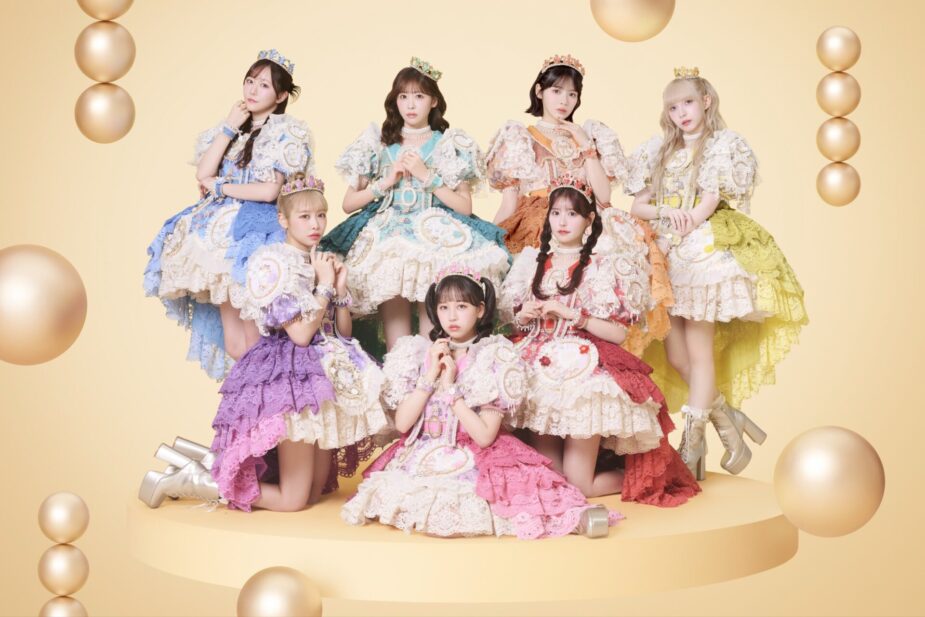
FRUIT ZIPPER, known for their vibrant "Harajuku" inspired aesthetic and catchy pop anthems, has rapidly solidified its position as one of Japan’s most exciting idol groups. Since their formation, they have garnered a significant and devoted fanbase, celebrated for their energetic performances, cohesive group image, and individual member charms. Their rise has been marked by a carefully cultivated persona of unity and camaraderie, a cornerstone of success in the highly competitive J-Pop landscape.
The platform where the controversy originated, THE FIRST TAKE, is a globally recognized YouTube channel that invites various artists to perform one song, one take, in a stark white studio. This format emphasizes raw vocal talent and live musicianship, stripping away elaborate staging and post-production. An invitation to THE FIRST TAKE is often seen as a significant milestone in an artist’s career, offering a unique opportunity to showcase their artistry and reach a broader audience, frequently leading to viral moments and renewed public interest. For an idol group member to perform solo on this platform is a testament to their individual vocal capabilities and a moment of immense pride for the group and its fans.
Chronology of the Viral Incident
The incident unfolded on September 25, 2026, following Nakagawa Luna’s solo performance on THE FIRST TAKE. The performance itself was reportedly well-received, a moment of individual triumph for the idol. However, the ensuing events captured on video quickly overshadowed the musical achievement.
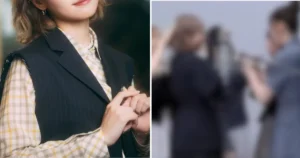
As is customary for many artists after a THE FIRST TAKE performance, other members of FRUIT ZIPPER joined Nakagawa Luna in the studio to offer their congratulations and support. The short video clip, now widely circulated, shows Nakagawa Luna interacting warmly with several group members, exchanging high-fives and embraces. Crucially, as the members gather, Nakagawa Luna appears to bypass Amane Tsukiashi, seemingly failing to acknowledge her amidst the celebratory exchanges. The clip shows Amane Tsukiashi standing nearby, her expression interpreted by many online observers as one of slight discomfort or being left out.
The segment was quickly isolated and shared across social media platforms, primarily X (formerly Twitter) and YouTube. Within hours, the clip became a hot topic, garnering millions of views and sparking thousands of comments and analyses from fans and general netizens alike. Screenshots and frame-by-frame breakdowns of the interaction flooded timelines, dissecting every micro-expression and movement.
Public Reaction and Interpretations
The immediate reaction to the viral video was largely one of shock and disappointment. Many fans expressed concern over what they perceived as a clear snub, questioning the internal dynamics of FRUIT ZIPPER. Comments on X and YouTube reflected a mix of outrage, sadness, and calls for an explanation.
One prominent tweet, translated from Japanese, meticulously detailed Nakagawa Luna’s interactions with other members, contrasting them with the apparent lack of interaction with Amane Tsukiashi: "She holds hands with 1, 2. She holds hands with 3, 4. She holds hands with 6. She pats 4 on the head. Just when you think she’s going to 6, she goes back to six." This analytical approach highlights the meticulous scrutiny applied to idol interactions, where even minor gestures are amplified and interpreted. Another widely shared comment simply stated, "I came to see the atmosphere between Amane and Nakagawa," underscoring the immediate focus on the perceived interpersonal tension.

The online discussion quickly bifurcated. One faction of fans expressed deep concern for Amane Tsukiashi, speculating about potential underlying issues within the group. These individuals argued that, regardless of intent, the visual evidence presented a problematic image of group cohesion, especially for a group whose brand relies heavily on their collective synergy and "found family" narrative. They demanded an apology or a clarification from Nakagawa Luna or the group’s management.
Conversely, another segment of the fanbase rallied to Nakagawa Luna’s defense. They posited various alternative explanations: the moment could have been accidental, a result of overwhelming emotion and excitement after a high-pressure performance, or simply a brief, unintentional oversight in a chaotic celebratory moment. Some argued that judging an entire relationship based on a few seconds of decontextualized footage was unfair and prone to misinterpretation. They emphasized the intense pressure idols face and the potential for such moments to be unfairly amplified by social media. This group urged calm and discouraged premature judgment, advocating for understanding rather than condemnation.
The Weight of the Idol Persona: Scrutiny and Expectations
This incident highlights the immense pressure and public scrutiny faced by J-Pop idols. In an industry built on aspirational ideals, immaculate public images, and carefully crafted narratives of unity and friendship, any perceived crack in the facade can lead to significant backlash. Idols are expected to embody perfection, not just in their performances but also in their personal conduct and interpersonal relationships within their groups.
The THE FIRST TAKE setting, while designed to showcase raw talent, also inadvertently amplifies candid moments. Unlike a heavily produced music video or a controlled variety show appearance, the "one take" nature means unscripted interactions are more likely to be caught on camera. This creates a double-edged sword: authenticity can be celebrated, but perceived missteps can be equally exposed and criticized.
Industry analysts suggest that the constant digital surveillance means that every gesture, every look, and every interaction is fair game for public interpretation. Fans, having invested emotional capital in their idols, feel a sense of ownership and often hold them to incredibly high standards, sometimes forgetting the human element behind the polished exterior. This incident serves as a stark reminder of how quickly a minor interaction can spiral into a major controversy, capable of impacting an artist’s reputation and group dynamics.
Inferred Agency Response and Broader Implications
As of reporting, FRUIT ZIPPER’s management agency, likely Asobisystem, has not issued an official statement regarding the viral video. However, it is highly probable that the agency is closely monitoring the situation, assessing the sentiment, and strategizing a response. In similar past controversies within the J-Pop and K-Pop industries, agencies often opt for one of several approaches: a direct apology and explanation from the idol, a collective statement emphasizing group harmony, or a decision to let the controversy subside naturally if deemed minor enough. Given the intensity of the online discussion, a more proactive stance might be anticipated.
The implications for FRUIT ZIPPER are multifaceted. For Nakagawa Luna, her individual image could suffer a blow, with some fans questioning her character or commitment to group cohesion. For the group as a whole, it could temporarily tarnish their carefully built reputation for unity and positive energy. Inter-member relationships, even if previously harmonious, could come under intense public and internal scrutiny.
This incident also serves as a broader case study for the idol industry regarding social media management and crisis communication. In an era where fan-captured content and short video clips can dictate narratives, agencies are under increasing pressure to act swiftly and transparently. The incident underscores the fragility of public image in the digital age, where a single, unscripted moment can generate more discussion than months of curated content.
Moving forward, the group will likely face increased scrutiny regarding their interactions. Any subsequent public appearances will be watched closely for signs of tension or reassurance, particularly between Nakagawa Luna and Amane Tsukiashi. The incident serves as a powerful reminder of the delicate balance idols must maintain between their public personas and the realities of their professional relationships, all under the ever-present gaze of a global audience ready to interpret every move. The lasting impact will depend heavily on how the group and its agency choose to address this unexpected challenge to their collective image and harmony.