The Event: Fendi at Milan Fashion Week
The Fendi show is consistently one of the most anticipated events on the Milan Fashion Week calendar, often drawing a concentrated crowd of international celebrities, industry insiders, and "VIBs" (Very Important Brand-ambassadors). For the 2026/2027 season, Fendi’s creative direction continued to explore the duality of Roman classicism and modern industrialism. Mina, who was officially appointed as a global brand ambassador for the Italian luxury house earlier in the year, was positioned as a primary face of this campaign.
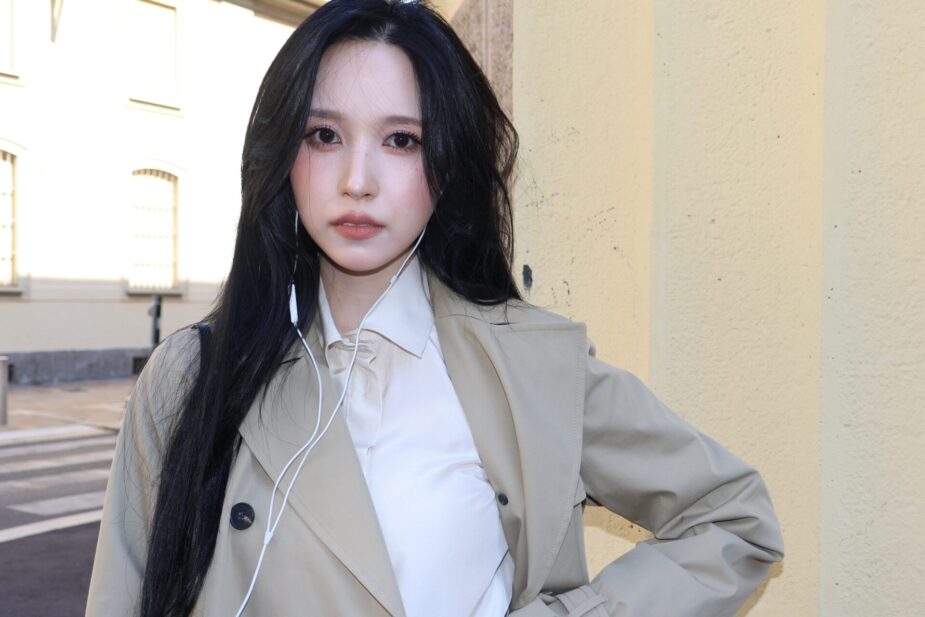
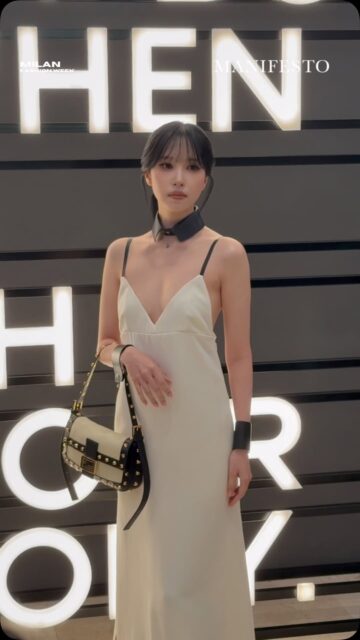
Her arrival at the venue was met with a massive gathering of fans, known as ONCE, and a flurry of international press photographers. The outfit that sparked the subsequent online "heat" was a meticulously tailored white silk slip dress. While the slip dress is a staple of 1990s-inspired minimalism, this specific piece featured a deep, plunging neckline that showcased a more suggestive silhouette than Mina has traditionally been associated with. However, it was not the dress alone that captured the public’s attention; it was the accompanying hardware. Mina wore a thick, structured collar necklace and matching wrist cuffs, accessories that many observers noted bore a striking resemblance to "fetish wear" or BDSM-inspired aesthetics.
Chronology of the Controversy
The timeline of the reaction began almost instantaneously with the first "preview" photos posted by fashion journalists on X (formerly Twitter) and Instagram. Within minutes of her stepping out of her vehicle in Milan, "MINA X FENDI" began trending globally.
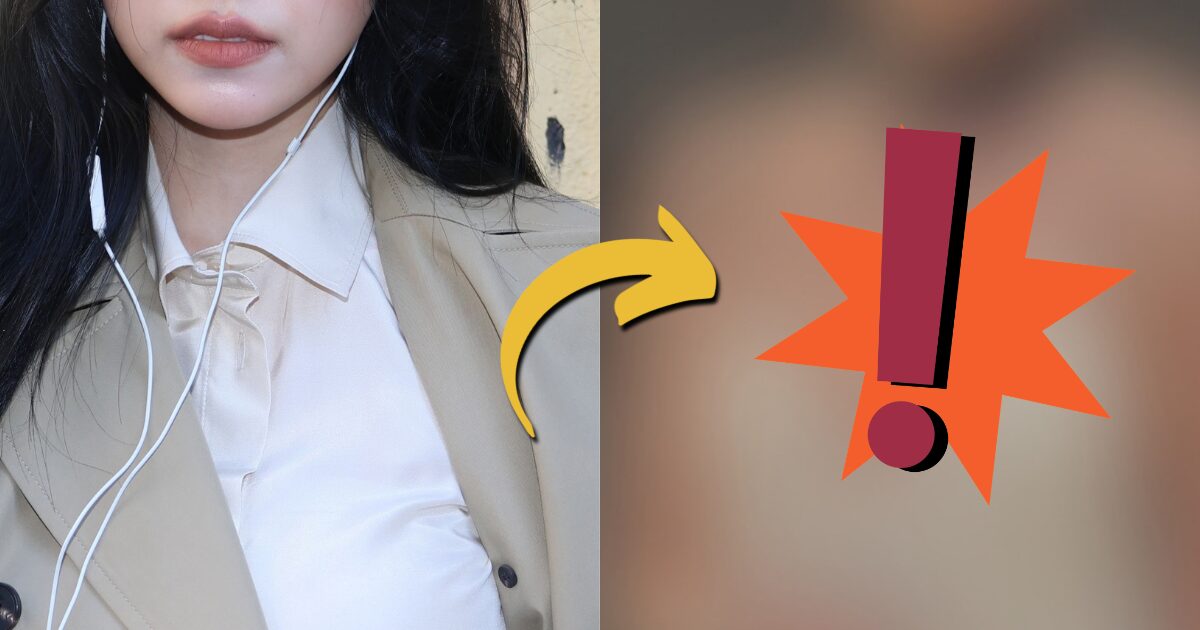
Initially, the reaction was one of overwhelming praise from the K-pop community. Fans celebrated what they perceived as a "style evolution," noting that the 27-year-old artist was embracing a more adult and confident image. By the second hour of the event, however, the discourse shifted as high-resolution images of the accessories—the collar and cuffs—became more widely circulated.
On platforms like X and various K-pop-centric forums such as Pann and Reddit, users began debating the "fetish" implications of the look. Some critics argued that the styling was "unnecessarily provocative" for a public figure who maintains a significant younger following. Conversely, fashion enthusiasts defended the look as a standard exercise in "editorial daring," citing that high fashion has a long, documented history of incorporating subcultural symbols—ranging from punk safety pins to fetishistic leather and hardware—into mainstream luxury.
Sartorial Analysis: High Fashion vs. Subculture
The term "fetish" in the context of the Fendi show refers to a specific aesthetic movement within the fashion industry. Designers such as Vivienne Westwood, Jean Paul Gaultier, and Gianni Versace pioneered the "fetish-chic" look in the late 20th century, using corsetry, chokers, and bondage-inspired straps to challenge societal norms regarding femininity and power.
In Mina’s case, the Fendi ensemble utilized these tropes to create a visual contrast. The white silk of the dress traditionally symbolizes purity and softness, while the rigid, metallic collar and cuffs introduce an element of "edge" or "restraint." This juxtaposition is a common technique in luxury branding to prevent an outfit from appearing too bridal or simplistic.

However, the "heated reactions" stem from the specific cultural context of K-pop. For years, K-pop idols were marketed under a strict "idol" image that emphasized innocence and accessibility. As TWICE enters its tenth year since debut, the members have increasingly sought to break away from the "bubblegum pop" constraints of their early hits like "Cheer Up" and "TT." This fashion choice is seen by industry analysts as a deliberate move by JYP Entertainment and Mina herself to rebrand her as a sophisticated, high-fashion icon capable of carrying "mature" and "complex" visual narratives.
Supporting Data: The Impact of K-pop on Luxury Markets
The intensity of the reaction to Mina’s outfit is a testament to the massive Earned Media Value (EMV) that K-pop idols bring to luxury brands. According to recent data from influencer marketing platforms, K-pop stars consistently outperform Western celebrities in terms of engagement rates during Fashion Weeks.
For instance, during the previous 2025 fashion cycle, TWICE members collectively generated over $50 million in EMV for brands like Prada, Miu Miu, and Fendi. When an idol like Mina wears a "controversial" or "bold" outfit, it significantly increases the volume of social media mentions, which, despite the "heated" nature of the debate, serves to keep the brand at the center of the global conversation.
Industry reports suggest that Fendi’s partnership with Mina is aimed at capturing the East Asian luxury market, where TWICE remains one of the most influential girl groups. The move to style her in "bolder than ever" outfits is a calculated risk designed to appeal to Gen Z and Millennial consumers who value individuality and "rule-breaking" in fashion.
Official Responses and Industry Sentiment
As is standard for luxury houses and K-pop agencies, neither Fendi nor JYP Entertainment has issued a formal statement regarding the "fetish" accusations. In the world of high fashion, "controversy" is often viewed as a successful outcome of a creative campaign, as it indicates that the styling was provocative enough to elicit a strong emotional response.
Stylists within the industry have privately noted that Mina’s look was likely a collaborative effort between Fendi’s in-house team and Mina’s personal styling staff. The goal was to ensure she stood out among the hundreds of other celebrities present in Milan. By choosing a look that flirted with "fetish" aesthetics, the stylists ensured that Mina would be the most talked-about attendee of the day.
Inside the show, Mina was seated in the front row alongside other global luminaries, reinforcing her status as a "Muse" for the brand. Reports from attendees suggest that the atmosphere was one of professional admiration, with fashion editors praising the "clean yet dangerous" execution of the outfit.
Broader Implications for TWICE and the K-pop Industry
Mina’s appearance in Milan is not an isolated incident but part of a broader trend within TWICE. In recent months, other members have also faced public scrutiny for their changing appearances and fashion choices. As noted in the original report, another member recently faced "plastic surgery accusations" following a public appearance, while others have been praised for their solo musical ventures that explore darker, more experimental themes.
This transition period for TWICE is critical. As the group matures, they are navigating the difficult path of maintaining their core fanbase while expanding into the "prestige" sectors of global entertainment. Fashion is the primary vehicle for this transformation. By embracing "risque" or "edgy" styling, Mina is signaling a shift from "idol" to "artist" and "model."
The "heated reactions" also highlight a growing divide in the K-pop fandom. On one side are the "traditionalists" who prefer the modest and curated image of the past. On the other are the "modernists" who view the idols as independent women who should have the agency to experiment with their bodies and their fashion.
Conclusion: The New Standard of Idol Fashion
TWICE Member’s “Fetish” Outfit Triggers Heated Reactions serves as a case study in the power of visual communication in the modern age. Whether the outfit was "too much" or "just right" depends largely on the viewer’s perspective on the role of an idol and the purpose of high fashion.
What remains indisputable is that Mina’s Fendi appearance has succeeded in its primary objective: it has dominated the cultural conversation, reinforced Fendi’s image as a brand that isn’t afraid of a "bold edge," and cemented Mina’s position as a formidable force in the fashion world. As Milan Fashion Week concludes, the discourse surrounding the "collar and cuffs" will likely transition into a broader discussion about the evolution of K-pop’s visual identity in a globalized market. For Mina, the "Black Swan" has clearly found a new, more daring set of wings, even if they come with a bit of metallic hardware.