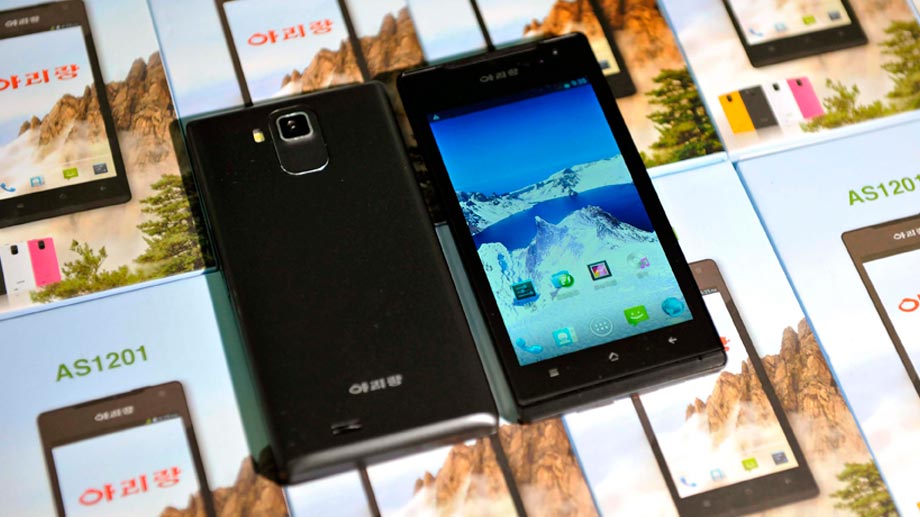
The Democratic People’s Republic of Korea (DPRK) recently announced the launch of its first domestically produced smartphone, a device named "Arirang" after the peninsula’s most cherished traditional folk song. While the unveiling of a mobile device in a secluded nation is a significant technological milestone, the nomenclature of the device serves as a profound entry point into the complex socio-cultural and geopolitical landscape of East Asia. The Arirang smartphone, identified by analysts as the AS1201, represents more than just a foray into the digital age; it is a calculated symbol of national identity, legitimacy, and a shared history that transcends the heavily fortified borders of the 38th parallel.
Technological Sovereignty and the Arirang Smartphone
The announcement of the Arirang smartphone came during a highly publicized visit by North Korean leader Kim Jong-un to the "May 11 Factory." State media, the Korean Central News Agency (KCNA), reported that the leader praised the "creative ingenuity and patriotic enthusiasm" of the workers. According to official reports, the phone features a high-resolution camera and a touch screen, running on a version of the Android operating system.
However, international technology analysts have expressed significant skepticism regarding the "domestic" nature of the hardware. Evidence suggests the Arirang AS1201 is likely a rebranded version of the Uniscope U70, a budget smartphone manufactured in China. Analysts posit that the components were shipped to North Korea for final assembly, a common practice for the DPRK to claim technological self-reliance, or "Juche." Despite the hardware’s likely foreign origins, the software is tailored for the North Korean market, operating on the country’s closed intranet, Kwangmyong, rather than the global internet. The device connects to Koryolink, the 3G network established through a joint venture with Egypt’s Orascom Telecom.
The strategic choice of the name "Arirang" is designed to resonate with the North Korean citizenry’s sense of cultural pride. By tethering a modern technological tool to an ancient cultural pillar, the state reinforces the narrative that the Kim regime is the true guardian of Korean heritage, even as it navigates the pressures of 21st-century isolation.
A Historical Timeline of the Korean Peninsula
To understand why a smartphone’s name carries such weight, one must examine the tumultuous history of the region. The Korean peninsula has spent much of the last century as a theater for imperial ambition and ideological conflict.
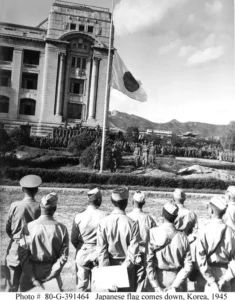
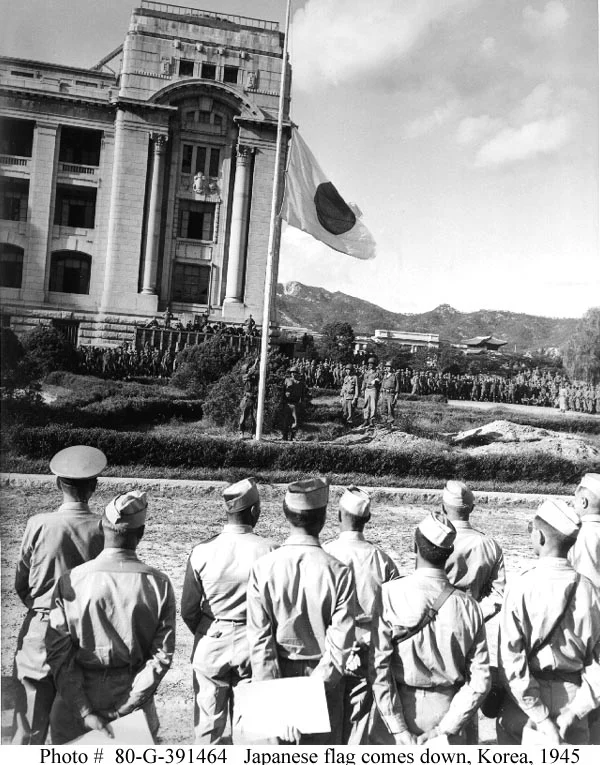
- 1910–1945: The Japanese Occupation. The unified Korean Empire was formally annexed by the Empire of Japan. This period was marked by the systematic suppression of Korean culture, the forced labor of "comfort women," and an attempt to erase the Korean language.
- 1945: Liberation and Division. Following Japan’s defeat in World War II, the peninsula was divided into two occupation zones at the 38th parallel: the Soviet-backed North and the U.S.-backed South.
- 1950–1953: The Korean War. A brutal conflict that solidified the division. The war ended in an armistice, not a peace treaty, meaning the two Koreas remain technically at war to this day.
- 1960s–1990s: Divergent Paths. The South underwent the "Miracle on the Han River," transforming into a global economic and technological powerhouse. The North focused on the Juche ideology of self-reliance, leading to increased isolation.
- 2012–Present: Cultural Reclamation. Both Koreas have intensified their efforts to claim cultural symbols, such as Arirang, as their own to bolster nationalistic sentiment.
The Cultural Weight of the Arirang Folk Song
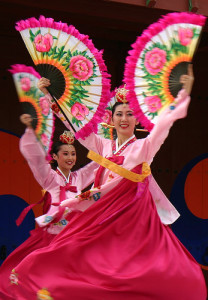
While South Korea’s official national anthem is "Aegukga" (The Song of Love for Country)—a Western-style orchestral piece adopted in 1948—it is the folk song "Arirang" that serves as the unofficial anthem for the entire Korean people.
Musically, "Arirang" is deceptively simple. It is built on a pentatonic scale and is easy to sing, which contributed to its viral-like spread across the peninsula over centuries. Lyrically, the song is enigmatic. Most versions tell the story of a traveler crossing the "Arirang Pass," leaving behind a lover. The lyrics are often described as nonsensical or fragmented, yet they evoke a deep sense of "Han"—a uniquely Korean concept of collective sorrow, resentment, and unyielding hope.
The song’s origins are a matter of academic debate. Estimates for its creation range from the Silla Kingdom (approx. 700 CE) to the late Joseon Dynasty (late 19th century). Regardless of its start, the song became a unifying force during the Japanese colonial period. Because it was not overtly political, it bypassed Japanese censors, allowing Koreans to express their shared identity and longing for freedom through song.
UNESCO Recognition and National Identity
The cultural significance of the song reached a global stage in 2012 when UNESCO added "Arirang" to the Representative List of the Intangible Cultural Heritage of Humanity. This recognition followed an intense diplomatic push by the South Korean government. However, the North was not far behind, submitting its own successful application for "Arirang" in 2014, highlighting the fact that both regimes view the song as an inseparable part of their sovereign identity.

For the South, "Arirang" is a symbol of a resilient democracy and a bridge to its agrarian roots. For the North, it is a tool of state-sponsored nationalism. The "Arirang Mass Games," a massive gymnastic and artistic performance in Pyongyang, is perhaps the most grandiose manifestation of this, using the song to celebrate the unity of the people under the leadership.
Modern Echoes: Hallyu, Economic Competition, and Soft Power
The rivalry between the two Koreas—and their shared historical grievance with Japan—continues to manifest in the modern era through economic and cultural competition. The "Arirang" smartphone is a direct attempt by the North to mirror the technological success of the South. In South Korea, companies like Samsung and LG have become global leaders, often outcompeting Japanese giants like Sony and Panasonic.
This economic "tech war" is mirrored in the cultural sphere by the "Hallyu" or Korean Wave. South Korean pop music (K-pop) and dramas (K-dramas) have achieved unprecedented success in Japan, despite ongoing diplomatic disputes over the Liancourt Rocks (Dokdo in Korea, Takeshima in Japan) and historical reparations.
Interestingly, this cultural influence is not one-way. Reports suggest that despite strict government bans and the threat of severe punishment, South Korean media is widely consumed in North Korea via smuggled USB drives. The North has even attempted to create its own versions of K-pop groups, such as the Moranbong Band, to satisfy the domestic demand for modern entertainment while maintaining ideological control.
Geopolitical Implications and the Quest for Legitimacy
The branding of the Arirang smartphone is a calculated move in the ongoing war for Korean legitimacy. By naming their premier piece of modern technology after a song that predates the division of the country, the North Korean leadership is asserting that it is the "true" Korea. It suggests that while the South may have Western-style wealth, the North maintains the authentic soul of the peninsula.
From a geopolitical perspective, the Arirang smartphone also highlights the DPRK’s reliance on China. As the likely source of the device’s hardware, China remains the North’s most vital economic lifeline. This relationship allows the North to project an image of technological progress to its people, even as it remains disconnected from the global economy.
Analysis: The Enduring Power of Shared Heritage
The intersection of a 21st-century smartphone and an ancient folk song reveals a fundamental truth about the Korean peninsula: despite decades of division, a shared cultural fabric remains. The "Arirang" smartphone is a tool of surveillance and propaganda, yet its name evokes a history of resistance and commonality.
The song "Arirang" has survived the fall of dynasties, the brutality of colonial occupation, and the fire of a civil war. Its appearance on the home screen of a North Korean smartphone is merely the latest chapter in its long history. For observers, the device serves as a reminder that the tensions in East Asia are not merely about nuclear missiles or trade deficits; they are about who gets to define the history and the future of a people.
Ultimately, the Arirang smartphone illustrates that even in the most isolated nation on Earth, the power of cultural identity is a force that the state must harness to maintain its grip. Whether it is a K-pop idol in Seoul or a factory worker in Pyongyang, the melody of "Arirang" remains a constant, a haunting reminder of a unified past and an uncertain, divided present. The smartphone may eventually become obsolete, but the song, and the complex identity it represents, is likely to endure for centuries more.