The relationship between SM Entertainment and its roster of artists has historically been defined by a volatile mix of massive global success and high-profile legal friction. Within the South Korean entertainment industry, terms like "slave contracts" and "unfair distribution of profits" are frequently linked to the nation’s largest talent agency. While these conflicts are often rooted in tangible issues—such as grueling schedules, health neglect, and lopsided financial agreements—the emotional and cultural dimensions of these disputes play a critical role in how they are perceived by the public and the parties involved. The 2014 legal battle between Kris Wu (Wu Yifan), the leader of EXO-M, and SM Entertainment serves as a landmark case study in the intersection of contract law, corporate PR, and the deeply ingrained Korean cultural concept of "jeong."
The Catalyst: The May 2014 Lawsuit
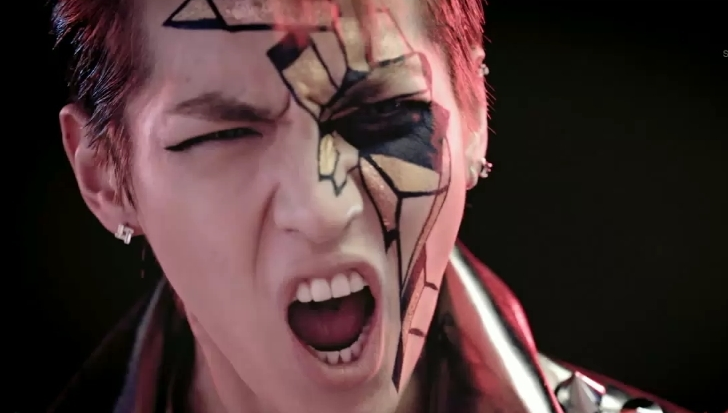
On May 15, 2014, just as the boy group EXO was reaching the zenith of its early popularity following the release of the hit mini-album Overdose, Kris Wu filed a lawsuit to terminate his exclusive contract with SM Entertainment. The filing was submitted to the Seoul Central District Court by his legal representative, the law firm Hankul. The news sent shockwaves through the global K-pop fandom, as EXO was scheduled to hold its first solo concert, "EXO From. EXOPLANET #1 – THE LOST PLANET," only a week later.
The legal grounds cited by Kris’s team were multifaceted. The lawsuit alleged that SM Entertainment treated the artist as a "product" or an "object" rather than a human being, ignored his health concerns, and failed to provide a transparent accounting of earnings. Furthermore, the defense argued that the contract was invalid due to its excessive length and the imbalance of power during its signing, which allegedly restricted Kris’s fundamental human rights and career autonomy.
A Chronology of the Fallout
The timeline of the dispute was marked by rapid escalations and public displays of discord. In the immediate aftermath of the filing, the remaining eleven members of EXO appeared to distance themselves from Kris, both professionally and on social media.
- May 15, 2014: News of the lawsuit breaks. SM Entertainment expresses confusion, stating they are "verifying the facts" and aiming to ensure EXO’s upcoming concert proceeds as planned.
- May 16, 2014: Several EXO members, including Chanyeol, Sehun, and Lay, unfollow Kris on Instagram. Tao, a fellow member of the Chinese-centric sub-unit EXO-M, posts a lengthy message on Weibo and Instagram. He describes the situation as a "betrayal" and laments the difficulty of preparing for a concert that has been thrown into disarray by one member’s "selfishness."
- May 17–22, 2014: SM Entertainment begins removing Kris’s image and merchandise from concert venues. Fans who purchased tickets are offered refunds if they no longer wish to attend due to the change in lineup.
- May 23, 2014: EXO holds its first solo concert at the Seoul Olympic Gymnasium as an 11-member group. During a press conference, the members express feeling "heartbroken" and "embarrassed" by the timing of the controversy.
The Cultural Framework: Jeong and Haan
To understand why the reaction to Kris’s departure was so visceral—characterized by accusations of "betrayal" from both the company and his fellow members—one must examine the Korean sociological concepts of jeong and haan.
Jeong is a fundamental element of the Korean psyche, representing a deep, collective bond formed through shared experiences, time, and mutual vulnerability. It is more than mere friendship; it is a sense of social and emotional "glue" that binds a group together. In the context of a K-pop group, where members live and train together for years before debuting, the jeong developed is expected to transcend individual ambition.
According to psychological studies, such as those conducted by Chung and Cho (2006) at UCLA, the violation of a jeong-based relationship leads to haan. Haan is a state of collective suffering, a mixture of deep sorrow and resentment that arises when a bond of loyalty is perceived to be broken. When Kris filed his lawsuit, the remaining members and many fans did not view it as a simple labor dispute. Instead, through the lens of jeong, it was viewed as a betrayal of a sacred pact. This explains why Tao’s initial reaction was so emotionally charged, citing the "sweat and tears" the group had shed together as the reason why Kris’s exit was unforgivable.

Precedents and Comparative Analysis
The Kris vs. SM Entertainment dispute did not occur in a vacuum. It followed a pattern established by previous high-profile exits that had fundamentally altered the South Korean legal landscape regarding entertainment contracts.
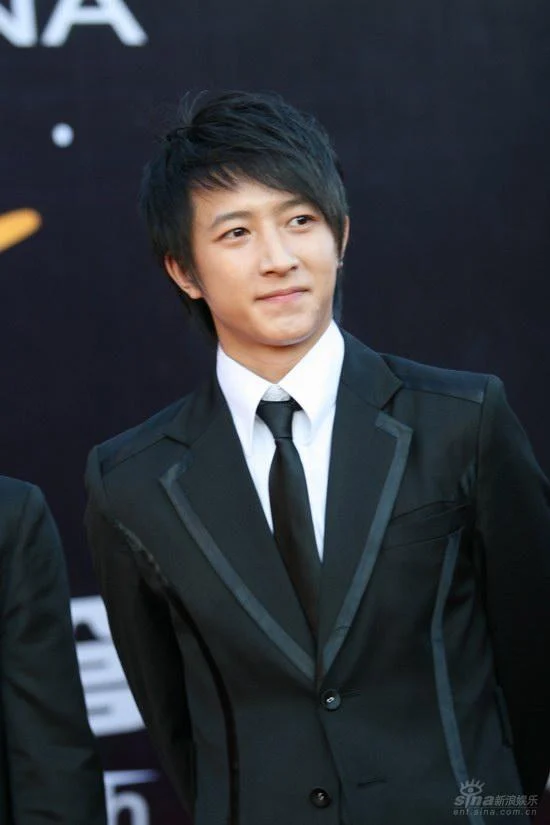
In 2009, three members of TVXQ (Jaejoong, Yoochun, and Junsu) filed a lawsuit against SM, citing 13-year "slave contracts." This case led to the Fair Trade Commission (FTC) introducing a "standard contract" model to limit the duration of exclusive agreements to seven years. Later that same year, Hangeng, the only Chinese member of Super Junior at the time, filed a similar suit.
However, as noted by Super Junior’s Heechul during a broadcast of the talk show Ssulzun, the circumstances surrounding Kris were different from those of Hangeng. While Hangeng faced significant legal hurdles and limited broadcast opportunities as a foreign artist in the late 2000s, Kris was part of a group specifically designed to dominate the Chinese market with the full backing of SM’s infrastructure. Heechul argued that Kris’s departure was "discourteous" to the fans who had waited for the group’s first concert, suggesting that the "hardship" Kris faced was not comparable to the systemic barriers faced by earlier generations of foreign idols.
Corporate Strategy and Public Opinion
In the wake of the lawsuit, SM Entertainment’s PR strategy focused on maintaining the integrity of the EXO brand while isolating the departing member. By facilitating interviews where the remaining members expressed their disappointment, the company successfully tapped into the public’s sense of jeong. This shifted the narrative away from potential human rights violations and toward a story of a group of brothers abandoned by their leader.

Industry analysts have noted that entertainment agencies often use these emotional narratives to mitigate the damage to their stock prices. In the days following the lawsuit, SM Entertainment’s shares saw a notable dip, but the company managed to stabilize the situation by demonstrating that EXO could remain commercially viable as an 11-member (and eventually 9-member) entity.
Broader Implications for the K-pop Industry
The Kris Wu lawsuit served as a turning point for how K-pop agencies manage foreign talent. While the "Hallyu Wave" relied heavily on the "China line" to penetrate the lucrative Mandopop market, the frequent legal disputes involving Chinese idols led to a reevaluation of contract structures and management styles.
- Increased Autonomy: Agencies began allowing top-tier Chinese idols to establish their own "workshops" in China, granting them more freedom to pursue solo activities while remaining part of the group.
- Legal Scrutiny: The case reinforced the need for more rigorous legal oversight of contracts involving foreign nationals, who may not fully grasp the cultural and legal nuances of the South Korean "trainee system."
- The Rise of Individualism: Kris’s exit signaled a shift in the idol mindset. The traditional "group-first" mentality began to clash with the reality of individual branding and the massive financial incentives available in the Chinese entertainment market.
Conclusion: A Multifaceted Conflict
The legal battle between Kris Wu and SM Entertainment was never a simple case of "right versus wrong." For Kris, it was a necessary escape from a system he found oppressive and limiting to his personal health and career growth. For SM Entertainment and the remaining members of EXO, it was a breach of contract and a violation of the collective loyalty that defines the industry.
By analyzing the conflict through both a legal and cultural lens, it becomes clear that the fallout was amplified by the collapse of jeong. The scars left by the dispute—ranging from the "IDGAF" attitude adopted by the remaining members to the intense "betrayal" narrative fueled by fans—highlight the unique pressures of the K-pop industry. In this world, an artist is not just an employee; they are part of a manufactured family, and when that family breaks, the consequences are felt far beyond the walls of a courtroom. The "We Are One" mantra of EXO was put to its ultimate test in 2014, proving that while a group can survive the loss of a member, the emotional framework of the industry ensures that such departures are never truly clean.