Navigating the Intricacies of K-pop Fandom Culture and the Evolution of Global Fan Communities
Article Editorial Team
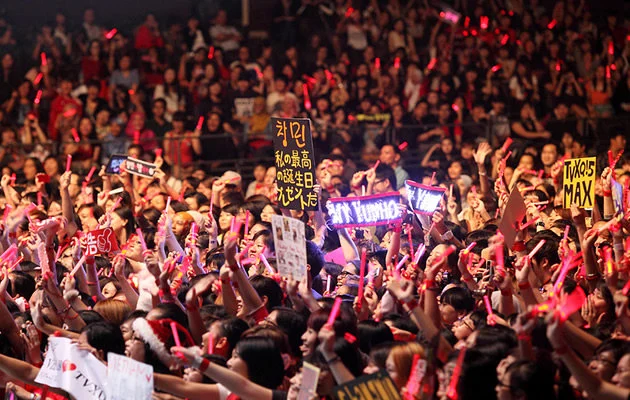
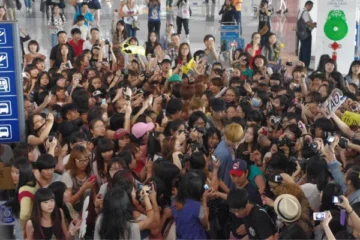
The global ascent of Korean popular music, commonly known as K-pop, has been accompanied by the development of one of the most sophisticated and highly organized fan cultures in the modern entertainment industry. Unlike traditional music appreciation, where the relationship between the artist and the listener is often passive, K-pop fandom is characterized by a complex hierarchy of involvement, social identity, and digital infrastructure. As the genre continues to expand its reach beyond the borders of South Korea, understanding the internal mechanics of these fandoms—ranging from individual "biases" to the intricate politics of official fan cafes—has become essential for industry analysts and new participants alike.
The Structural Hierarchy of K-pop Fandoms
In the Western music industry, a "fan" is a broad term that encompasses anyone from a casual listener to a dedicated concert-goer. In K-pop, however, fandom is a multi-layered identity system. At the broadest level is the general K-pop community, which follows the industry as a whole. Beneath this layer are specific group fandoms, each possessing a unique name, color, and internal culture. For instance, fans of the group SHINee are known as "Shawols," while fans of Girls’ Generation are "SONEs."
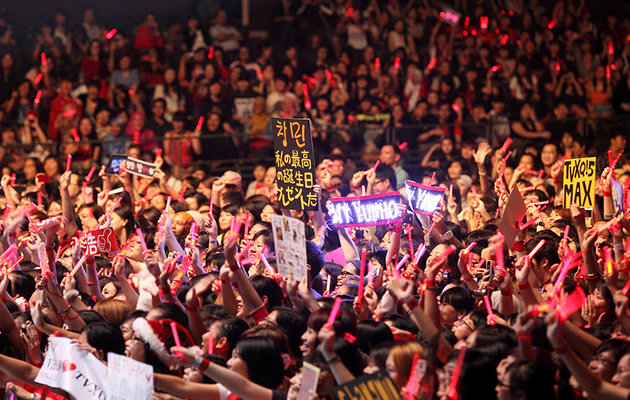
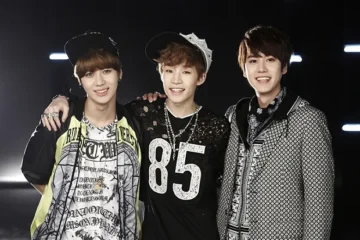
The hierarchy deepens further with the concept of the "bias"—a fan’s favorite individual member within a group. This leads to the formation of sub-fandoms. A fan may identify as a Shawol (the group fandom) but also specifically as a "Taemint," a sub-designation for those whose primary focus is the member Taemin. This intricate division system creates a sense of belonging but also introduces a risk of internal friction. While the industry often promotes the idea of "fandom peace," the intense loyalty felt toward specific members or groups can occasionally lead to competitive tensions, colloquially known as "fan wars."
The Digital Fortress: Official Fan Cafes and the Daum Infrastructure
For much of K-pop’s history, the pinnacle of fan involvement has been the "Official Fan Cafe." Hosted primarily on the Korean web portal Daum, these cafes serve as the primary bridge between the management agency and the domestic fan base. Membership in an official cafe is not merely a matter of clicking a "follow" button; it often involves a rigorous "level-up" process.
To gain access to exclusive content, fans must frequently pass quizzes about the artist, provide proof of music purchases, and adhere to strict community guidelines. For those residing in South Korea, official membership offers tangible benefits, including:

- Priority Entry: Members often receive first access to tickets for domestic concerts and music show recordings (such as M! Countdown or Inkigayo).
- Exclusive Communication: Artists often post personal letters and photos that are legally protected from being shared outside the cafe.
- Official Merchandise: Access to "Fan Club Kits" which include membership cards and limited-edition goods.
However, for the international community, the fan cafe remains a significant barrier. The requirement for Korean-language proficiency and, historically, a Korean social security number (or I-PIN) has made these spaces difficult to navigate. While international registration guides exist, the lack of geographical proximity to South Korea renders many of the physical benefits, such as music show attendance, unattainable for the global audience.
The Evolution of the International Fan Site
As K-pop moved into the 2010s, international fans who were excluded from the domestic cafe system began building their own independent infrastructures. These international fan sites, while not formally affiliated with agencies like SM Entertainment or YG Entertainment, have become the lifeblood of the global Hallyu wave.
These sites provide essential services that the official cafes do not offer to non-Koreans, most notably translation. Volunteer teams work around the clock to translate lyrics, interviews, and social media posts, ensuring that language is not a barrier to fandom growth. Furthermore, these communities organize "fan projects," such as purchasing billboards for an artist’s birthday or coordinating "rice wreaths"—a traditional Korean practice where bags of rice are donated to charity in the artist’s name during press conferences or concerts.

Chronology of Fandom Development and Technological Shifts
The trajectory of K-pop fandom can be categorized into three distinct eras, each defined by the technology used to connect fans:
- The First Generation (1990s – early 2000s): Fandoms for groups like H.O.T. and SechsKies were primarily domestic. Coordination happened through landline telephone services and physical meetups. Identification was established through colored raincoats and balloons.
- The Second Generation (mid-2000s – early 2010s): This era saw the rise of the Daum Fan Cafes and the first wave of international forums like Soshified or 6Theory. This period established the "Official Fan Club" model that still exists today.
- The Third and Fourth Generations (mid-2010s – Present): The shift toward global platforms like Twitter, YouTube, and TikTok has decentralized fandom. Management agencies have responded by creating their own proprietary apps, such as Weverse (HYBE) and Bubble (SM/JYP), which aim to monetize the "official fan" experience for a global audience, effectively bypassing the limitations of the older Daum system.
Data and Economic Impact of Fandom Loyalty
The economic power of K-pop fandoms is unparalleled in the music world. According to industry data, K-pop fans are significantly more likely to purchase physical media than fans of Western pop. In 2023, physical album sales in South Korea reached an all-time high of over 115 million units, a feat driven almost entirely by fandom-led "bulk buying" to support group charting and to collect randomized "photocards."
Furthermore, the "fandom economy" extends into the luxury sector. Brands like Chanel, Dior, and Celine have leveraged the loyalty of individual member sub-fandoms by appointing K-pop idols as global ambassadors. The "bias" system ensures that when an idol is associated with a brand, their dedicated sub-fandom will provide immediate and massive engagement, often resulting in products selling out within minutes of an endorsement.

Internal Politics and Social Responsibility
Despite the positive aspects of community building, the "internal politics" mentioned by industry veterans remain a complex challenge. Fandoms operate like micro-societies with their own sets of unwritten laws. Issues such as "solo stanning" (supporting only one member of a group) vs. "OT" (supporting all members) can lead to significant debate within the community.
Conversely, K-pop fandoms have also emerged as a force for social good. Moving beyond the "obsessed fan" stereotype, these groups have coordinated massive philanthropic efforts. In recent years, K-pop fandoms have raised millions of dollars for disaster relief, environmental conservation, and social justice movements. This transition from passive consumption to active social participation marks a significant evolution in what it means to be a "fan."
Analysis of Future Implications
The landscape of K-pop fandom is currently at a crossroads. As agencies move toward centralized, paid-subscription platforms like Weverse, the traditional, community-run fan site is facing a decline. This "platformization" of fandom allows companies to exert more control over the narrative and monetize interactions more effectively, but it also risks sanitizing the organic, grassroots energy that originally propelled K-pop into the global spotlight.

Moreover, the "bias" culture is being challenged by the rise of virtual idols and AI-integrated fan experiences. As the line between the physical and digital artist blurs, the way fans express loyalty is expected to shift toward metaverse-based interactions.
Ultimately, the K-pop fandom experience is defined by its inclusivity and its intensity. Whether a fan is a registered member of an official cafe in Seoul or a "Taemint" editing videos on Tumblr in South America, they are part of a global network that transcends music. The "Quick Guide" to being a fan may offer the basics, but the reality is a deeply entrenched, ever-evolving cultural phenomenon that continues to redefine the relationship between artists and their audience on a global scale. In this ecosystem, the true value of a fan is not just in the content they consume, but in the community they build and the emotional labor they contribute to the success of their chosen idols.
Related News