
Shin Ryujin, a prominent member of the globally recognized K-Pop girl group ITZY, recently confirmed her diagnosis of severe Attention-Deficit/Hyperactivity Disorder (ADHD) following professional testing, marking a significant moment in the ongoing, evolving conversation surrounding neurodiversity within the highly competitive K-Pop industry. This candid disclosure, made during a direct interaction with fans on a chatting platform, has resonated deeply, particularly with those who identify as neurodivergent, and further contributes to a growing trend of public figures openly discussing their neurological conditions. Her openness underscores a gradual but impactful shift towards greater transparency and destigmatization of mental and neurological health within South Korea’s entertainment landscape.
Understanding Neurodiversity and Attention-Deficit/Hyperactivity Disorder
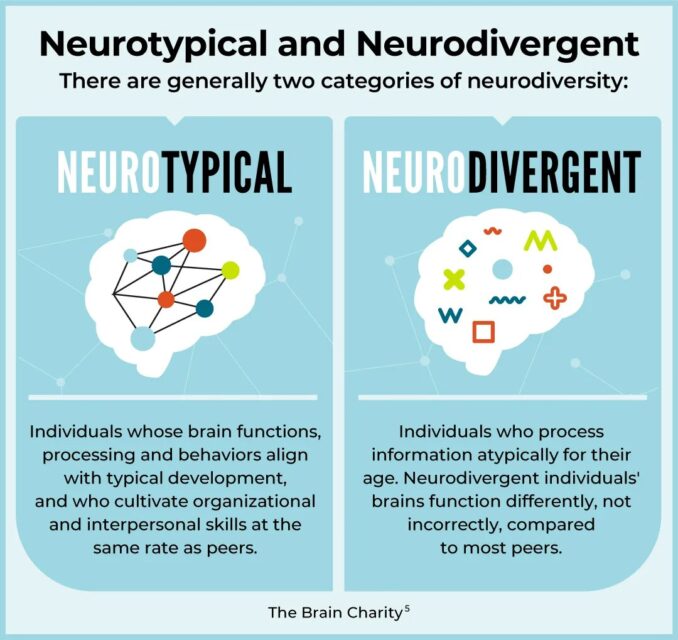
To fully appreciate the significance of Ryujin’s disclosure, it is crucial to understand the terminology. Neurodivergence describes individuals whose brains develop or function differently from what is considered typical. This umbrella term encompasses a wide range of conditions, including but not limited to autism spectrum disorder, dyslexia, Tourette’s syndrome, and ADHD. These differences can stem from various factors, including genetic predispositions, early developmental experiences, or acquired brain injuries. Conversely, individuals whose neurological development and functioning align with societal norms are often referred to as neurotypical. The concept of neurodiversity advocates for viewing these neurological differences as natural variations of the human brain, rather than deficits, promoting inclusion and understanding.
ADHD, a neurodevelopmental disorder, is characterized by persistent patterns of inattention, hyperactivity, and impulsivity that interfere with functioning or development. While commonly associated with childhood, ADHD often persists into adulthood, manifesting in diverse ways. Inattentive symptoms can include difficulty sustaining attention, poor organizational skills, forgetfulness, and being easily distracted. Hyperactive-impulsive symptoms often involve fidgeting, restlessness, excessive talking, interrupting others, and difficulty waiting for one’s turn. It is important to note that ADHD is not a deficit of attention itself, but rather a difficulty in regulating and directing attention, often leading to hyperfocus on tasks of interest while struggling with others. The disorder can present differently across individuals, with some primarily experiencing inattention, others hyperactivity-impulsivity, and many exhibiting a combined presentation. Global prevalence rates suggest that ADHD affects approximately 5% of children and 2.5% of adults, though these figures can vary based on diagnostic criteria and geographical region. For adults, diagnosis can be particularly challenging as symptoms might be masked or misattributed to other conditions, and presentations can be less overt than in childhood. Living with ADHD often involves challenges with executive functions, such as planning, time management, emotional regulation, and working memory, which can significantly impact academic, professional, and social spheres.
Ryujin’s Journey Towards Openness: A Chronological Account
Ryujin’s recent, more detailed confirmation of her ADHD diagnosis builds upon earlier remarks, illustrating a progressive comfort with discussing her neurodivergence publicly. The journey began prior to November 2025, when Ryujin first alluded to having "severe ADHD" during an appearance on a variety show. At that time, she reportedly shared insights into the strategies she employed to manage the condition, providing a preliminary glimpse into her personal experience. While the full context of these initial comments was not widely disseminated or deeply explored, they subtly laid the groundwork for future, more explicit disclosures. This initial sharing, though brief, demonstrated an early willingness to be open with her audience, setting a precedent for her current, more comprehensive statements.
The more recent and significant disclosure occurred on September 23, 2026, during a series of messages exchanged with fans on a dedicated chatting platform. The interaction began with a fan playfully questioning Ryujin’s tendency to "disappear in the middle of talking," leading to moments where the fan was left waiting for her return to the conversation. This seemingly lighthearted observation prompted Ryujin to provide a remarkably candid and direct explanation. She openly admitted, "Sorry, my ADHD is pretty severe." Crucially, she further clarified, "I took a test and it said it was severe." This added detail — the mention of having undergone professional testing and receiving a formal diagnosis — resonated profoundly with fans. It lent a layer of medical validation and seriousness to her previous, less specific remarks, transforming a casual mention into a confirmed, personal reality. The specificity of her severe diagnosis, backed by professional assessment, allowed for a deeper connection with fans who either share similar experiences or seek a clearer understanding of neurodivergence.
The immediate reaction from fans on social media platforms like X (formerly Twitter) was overwhelmingly supportive and empathetic. Tweets poured in, showcasing a sense of solidarity and shared experience. One fan enthusiastically declared, "my other neurodivergent twin," expressing immediate relatability. Another user, @safftyee, articulated the collective sentiment, stating, "but I’m so glad she feels like she can talk and be so open." The hashtag "#twins" was adopted by some, like @glossevx, who noted, "all of my favs have adhd," highlighting a personal connection to idols who share this condition. The global reach of Ryujin’s disclosure was evident in reactions such as @DanyRetamal_’s, who posted, "I also suffer from that ADHD," along with supportive emojis, underscoring the international resonance of her message. These responses underscore the significant impact of public figures’ openness, fostering a sense of community and validation among those living with similar conditions.
The Evolving Landscape of K-Pop and Neurodiversity
Ryujin’s detailed disclosure is not an isolated incident but rather a significant marker in a broader, evolving trend within the K-Pop industry. Historically, discussions surrounding mental health and neurodevelopmental conditions in South Korea, and particularly within its entertainment sector, have been shrouded in stigma. The intense pressures, demanding schedules, constant public scrutiny, and pervasive emphasis on perfection often deterred idols from revealing any perceived vulnerabilities. However, over the past few years, there has been a noticeable shift towards greater openness. More and more idols are finding comfort in discussing various aspects of their health, including mental health challenges like anxiety and depression, and increasingly, neurodivergence. This trend reflects a global movement towards destigmatizing these conditions and a growing recognition within the industry of the importance of artist well-being.
The K-Pop industry’s rigorous training systems, often starting in early adolescence, and the relentless demands of idol life — including extensive practice, packed promotional schedules, and a constant need to maintain a polished public image — can be particularly challenging for individuals managing neurodevelopmental conditions. Symptoms of ADHD, such as difficulty with organization, time management, sustained attention, and emotional regulation, can be exacerbated by such high-pressure environments. The ability of idols like Ryujin to navigate these challenges while achieving immense success offers powerful inspiration. Their willingness to share their experiences helps to normalize these conditions, demonstrating that neurodivergence does not preclude capability or success. This growing transparency contributes to dismantling long-held societal taboos and encourages a more empathetic and informed understanding of diverse neurological profiles.
Broader Implications and Impact
Ryujin’s candidness carries substantial implications, extending far beyond her individual fanbase to impact the broader K-Pop industry and global society.
For fans, particularly those who are neurodivergent, such disclosures offer immense validation and a powerful sense of belonging. Seeing a successful and admired public figure openly discuss their ADHD can significantly reduce feelings of isolation and shame that often accompany such diagnoses. It provides tangible representation, allowing fans to feel understood and empowered, potentially encouraging them to seek their own diagnoses or support systems. This fosters a more inclusive and understanding fan community, where shared experiences build stronger bonds between artists and their audience. The normalization of neurodiversity through celebrity disclosure helps to shift public perception from viewing these conditions as personal failures to recognizing them as legitimate neurological variations.
Within the K-Pop industry, Ryujin’s openness could serve as a catalyst for further change. It underscores the importance of agencies implementing robust support systems for their artists’ mental and neurological health. As more idols feel empowered to share their experiences, there is a greater impetus for entertainment companies to prioritize comprehensive psychological and neurological care, recognizing that a healthy and supported artist is crucial for long-term success. This could lead to better awareness campaigns, improved access to diagnostic services, and tailored accommodations for artists managing diverse needs, ultimately fostering a more compassionate and sustainable work environment. It also encourages a broader acceptance of diversity within talent development, acknowledging that unique ways of thinking and processing information can be strengths rather than weaknesses.

On a societal level, Ryujin’s disclosure contributes to the global neurodiversity advocacy movement. In societies where mental and neurological conditions have historically faced significant stigma, public figures speaking out can play a crucial role in breaking down these barriers. It encourages open dialogue, challenges stereotypes, and promotes a more inclusive understanding of human variation. Her story adds to a growing body of evidence that neurodivergent individuals can thrive in demanding fields, contributing significantly to culture and entertainment.
However, the path to transparency is not without its challenges. Public figures who share personal health information often face intense scrutiny, potential for misinterpretation, or even trivialization of their conditions. There is a delicate balance between authentic sharing and managing public perception, especially in an industry that places high value on image. Despite these potential hurdles, the overwhelming positive response to Ryujin’s revelation suggests a growing readiness from the public to embrace and support artists who are transparent about their true selves.
Agency Stance and Future Outlook
While JYP Entertainment, ITZY’s agency, has not issued a specific official statement regarding Ryujin’s recent detailed disclosure, the broader trend of increasing openness among K-Pop artists implies a general stance of support for artist well-being within major entertainment companies. This aligns with an evolving industry standard that recognizes the importance of creating environments where artists feel safe and empowered to address their health needs. The absence of a formal statement does not negate the impact of Ryujin’s personal sharing, which speaks volumes about her agency’s presumed support for her decision to be candid with her fans.
Ryujin’s courageous step in sharing her severe ADHD diagnosis, backed by professional testing, is a powerful moment in the ongoing narrative of neurodiversity in K-Pop. It solidifies her role as a visible advocate, consciously or unconsciously, for a more inclusive and understanding world. Her candidness not only strengthens her bond with fans but also propels forward the crucial conversation about neurodiversity, challenging stereotypes and fostering empathy. As the K-Pop industry continues to evolve, the increasing transparency from artists like Ryujin promises a future where authenticity and well-being are valued as highly as talent and performance, creating a more accepting and supportive environment for all.