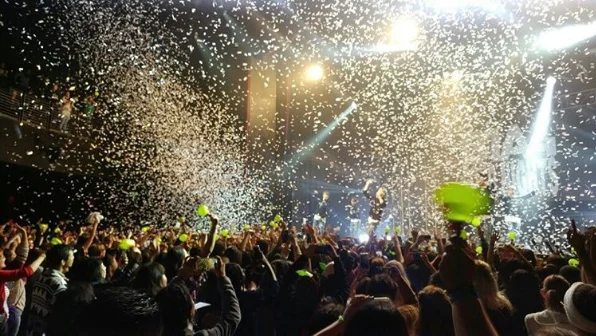
The global ascent of South Korean popular music, commonly known as K-pop, has transformed the traditional concept of music fandom into a highly structured, multi-layered ecosystem that influences global charts, digital trends, and international commerce. Unlike Western music fanbases, which often operate as loose affiliations of listeners, K-pop fandoms are characterized by their intricate organizational hierarchies, unique nomenclature, and a profound level of dedication that extends far beyond the consumption of music. To understand the K-pop phenomenon is to understand the mechanics of its fandoms, which are segmented into general genre enthusiasts, group-specific organizations, and individual member sub-fandoms, each with its own set of protocols and internal politics.
The Multi-Layered Architecture of K-pop Fandoms
The structural organization of K-pop engagement is often described by industry analysts as a concentric circle of loyalty. At the broadest level exists the general K-pop fandom—individuals who consume the genre as a whole, following multiple groups and staying informed about industry-wide news. However, as consumers become more "entrenched" in the scene, they typically gravitate toward specific "bias" groups.
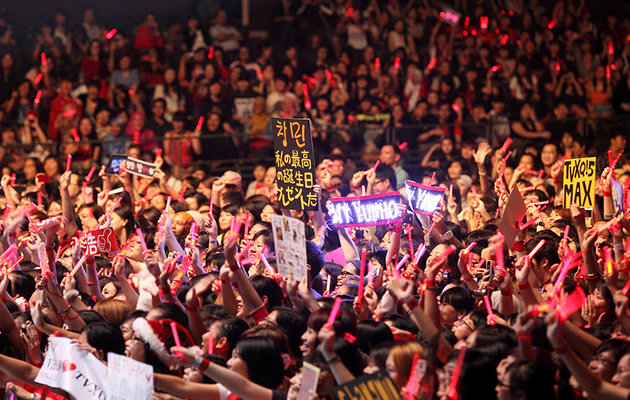
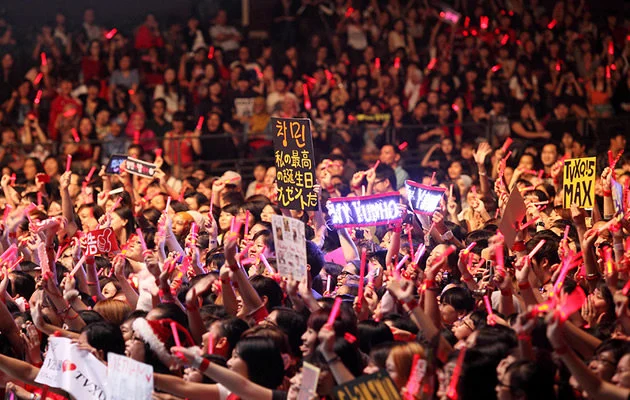
A "bias" in the K-pop lexicon refers to a fan’s favorite performer. This preference leads to the first level of specialization: the group fandom. Each major K-pop group is assigned an official fandom name by their management agency. For instance, fans of the group SHINee are officially known as "Shawols" (a portmanteau of SHINee World). Within these group fandoms, further sub-segmentation occurs based on individual member preferences. A Shawol who specifically favors the member Taemin may identify as a "Taemint."
This intricate division system is unique to the Korean idol industry. While Western fans of franchises like Harry Potter or Doctor Who share a collective identity, the K-pop model encourages a granular level of devotion that often leads to internal competition. This fragmentation can result in "fan wars"—online or offline conflicts between different group fanbases—or even "solo stanning," where a fan supports only one member of a group, sometimes to the detriment of the others.
The Evolution of Fan Engagement: A Historical Chronology
The methodology of K-pop fan engagement has evolved through distinct technological and cultural eras:

- The First Generation (1990s): During the era of groups like H.O.T. and Sechs Kies, fandom was largely localized within South Korea. Coordination occurred through telephone hotlines and physical gatherings. Fans identified themselves by wearing specific colors of raincoats and carrying matching balloons (e.g., white for H.O.T., yellow for Sechs Kies).
- The Second Generation (2000s–Early 2010s): The rise of the internet led to the "Fan Café" era. Platforms like Daum and Naver became the primary hubs for official communication. This era saw the birth of the "Lightstick," a high-tech evolution of the glowstick that became a mandatory accessory for concert-goers.
- The Third and Fourth Generations (Mid-2010s–Present): The globalization of K-pop, led by acts like BTS, EXO, and BLACKPINK, moved the fandom center to social media platforms such as Twitter, Tumblr, and TikTok. Management companies began developing proprietary apps like Weverse and Bubble to monetize direct communication between idols and fans, effectively bypassing traditional social media.
Official Channels vs. International Accessibility
For many years, the pinnacle of fan involvement was membership in a group’s "Official Fan Café." These digital communities, hosted on Korean portals, require a rigorous "level-up" process involving quizzes about the artists and proof of album purchases. For the domestic Korean fan, these cafés provide exclusive access to music show recordings, concert pre-sales, and direct messages from the artists.
However, for the international community, these official channels have historically presented significant barriers. Language barriers and the requirement for a Korean social security number or phone number often excluded global fans. In response, the international community developed its own robust infrastructure. Independent international fan sites became the primary source for news, translations, and organized projects.
These unofficial organizations often perform the labor that agencies did not initially provide for overseas markets, such as subtitling video content and organizing local events. While agencies like HYBE and SM Entertainment have recently moved toward more globally accessible platforms like Weverse, the legacy of independent international fan-run sites remains a cornerstone of the community.

The Economics of Fandom: Data and Support Projects
The impact of K-pop fandoms is measurable through significant economic data. Unlike general music listeners, K-pop fans view themselves as partners in their artist’s success. This manifests in "support projects" that involve substantial financial investment.
- Rice Wreaths and Charity: It is a standard practice for fan clubs to donate tons of rice to charities in the name of their favorite artist during concerts or press conferences. According to industry reports, major groups can inspire the donation of over 20 to 30 tons of rice per event.
- Billboard and Subway Advertising: Fan clubs frequently pool resources to purchase digital billboards in high-traffic areas like New York City’s Times Square or Seoul’s Gangnam Station to celebrate an artist’s birthday or debut anniversary. These campaigns can cost anywhere from a few hundred to tens of thousands of dollars.
- Mass Streaming and Purchasing: To ensure their favorite groups win weekly music shows (such as M Countdown or Inkigayo), fandoms organize "streaming parties" and bulk-buy albums. This collective action is a primary driver behind K-pop’s consistent presence on the Billboard 200 and other global charts.
Industry Management and Corporate Strategy
The South Korean entertainment industry is unique in how it officially recognizes and manages these fanbases. Most agencies employ "Fan Managers" whose sole responsibility is to liaison between the company and the fan club presidents. This official recognition turns the fandom into a semi-professional arm of the artist’s promotional team.
Official responses to fan sentiment are common. Agencies often issue formal statements addressing fan concerns regarding artist health, styling, or "line distribution" (the amount of time each member spends singing in a song). This feedback loop creates a high-stakes environment where the "customer" (the fan) has a significant say in the "product" (the idol).

However, this proximity also has a darker side. The industry has long struggled with "Sasaeng" fans—individuals who engage in stalking and invasive behavior. Official fandoms often take it upon themselves to "police" their own communities to protect the artist’s reputation and safety, further highlighting the organized, self-governing nature of these groups.
Broader Impact and Implications of Modern Fandom
The influence of K-pop fandoms has recently transcended the music industry, entering the realms of social and political activism. The most notable example occurred in 2020, when K-pop fans were credited with mobilizing to support the Black Lives Matter movement, successfully matching a $1 million donation made by the group BTS within 24 hours.
Furthermore, the "K-pop model" of fandom is increasingly being studied by Western marketing firms and political campaigns. The ability to mobilize a global, digitally savvy audience to perform specific tasks—whether it is voting in an award show or trending a hashtag—represents a new form of soft power.

In conclusion, becoming a part of a K-pop fandom is not merely a passive hobby; it is an entry into a complex social contract. Whether a fan chooses the "official" route through Korean cafés or prefers the creative freedom of Tumblr and fan fiction, they become part of a global network that dictates the pulse of modern pop culture. As the industry continues to innovate with AI idols and metaverse fan meetings, the structure of these communities will likely become even more integrated into the daily digital lives of millions. While the internal politics and "fan wars" can be daunting for newcomers, the core of the experience remains a shared emotional connection to the music and the performers, a sentiment that continues to bridge geographical and linguistic divides.