

The global ascent of South Korean popular music, commonly known as K-pop, has transformed from a regional cultural export into a multi-billion-dollar international industry. Central to this phenomenon is the unique and intensive nature of its fandom. Unlike traditional music audiences, K-pop enthusiasts often undergo a distinct psychological and behavioral evolution, transitioning through specific stages of engagement that range from initial skepticism to total immersion, and eventually, to a state of either sustainable balance or complete renouncement. This progression is not merely a personal hobby but a complex social journey influenced by digital algorithms, parasocial relationships, and the strategic marketing of the "idol" industry.
The Macro-Economic Context of K-pop Fandom
To understand the trajectory of a K-pop fan, one must first recognize the scale of the industry. According to reports from the International Federation of the Phonographic Industry (IFPI), South Korea has consistently ranked as one of the top ten music markets globally, largely driven by the physical and digital sales generated by dedicated fanbases. In 2023, the export of K-pop albums reached an all-time high of nearly $300 million. This economic engine is fueled by "stanning" culture—a term derived from "stalker" and "fan"—which describes a level of devotion that involves significant financial investment, digital labor, and emotional commitment. The lifecycle of a fan is, therefore, a critical metric for entertainment conglomerates like HYBE, SM Entertainment, YG Entertainment, and JYP Entertainment.
Phase One: The Introductory Stage and the Sensory Barrier
The entry point into K-pop is frequently marked by a mixture of curiosity and cognitive dissonance. For many Western or non-Asian audiences, the first encounter with a K-pop music video (MV) presents a sensory overload. The industry’s hallmark—high-budget "box sets," intricate synchronized choreography, and avant-garde fashion—often clashes with local cultural norms of what constitutes "authentic" artistry.
In this introductory phase, observers may find the genre gimmicky or overly manufactured. The "gender-bending" aesthetics of male idols and the hyper-stylized concepts of female groups can be polarizing. Furthermore, existing fans of established groups often view newcomers with suspicion. A common historical example within the community is the early comparison between groups like B.A.P and BTS; during BTS’s debut era, some B.A.P followers initially dismissed the newcomers as derivatives, highlighting the defensive nature of fandom loyalty even at the earliest stages of exposure.
Phase Two: Investigative Engagement and Algorithmic Reinforcement
The transition from observer to participant often occurs during the investigative stage. This phase is typically triggered by a "hook"—a specific melody, a viral dance challenge, or a particular member’s visual appeal. Songs like Girls’ Generation’s "I Got a Boy" or SHINee’s "Ring Ding Dong" have historically served as these catalysts due to their experimental structures and repetitive, "earworm" qualities.

During this stage, the role of social media algorithms on platforms like YouTube, TikTok, and X (formerly Twitter) cannot be overstated. Once a user engages with a single K-pop video, the digital ecosystem begins to populate their feed with "behind-the-scenes" content, variety show appearances, and fan-edited "funny moments." This investigative period marks the beginning of the breakdown of the initial skepticism, as the consumer starts to perceive the idols as relatable individuals rather than just polished performers.
Phase Three: The Obsessive Stage and the Parasocial Bond
The most intensive period of fandom is the obsessive stage, characterized by the formation of deep parasocial relationships. This is where the concept of the "bias"—a favorite member—and the "bias wrecker"—a member who threatens to displace that favorite—takes root.
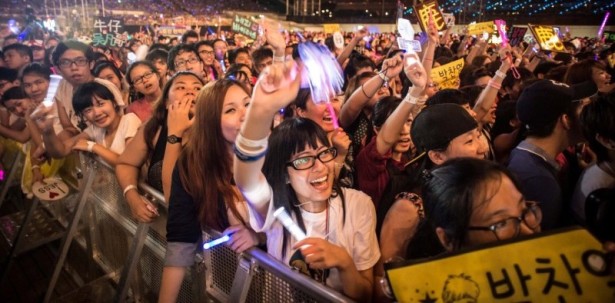
In this stage, the fan’s daily routine often shifts to accommodate the idol’s schedule. The industry facilitates this through dedicated communication platforms like Weverse, DearU Bubble, and the now-defunct V-Live. These apps allow idols to send direct messages or host live broadcasts, creating an illusion of intimacy. For the fan, this period involves:

- Digital Labor: Participating in "streaming parties" to boost chart rankings and voting in music show polls.
- Financial Commitment: Purchasing multiple copies of the same album to collect randomized "photocards" or to increase chances of winning entry to a fan-sign event.
- Social Evangelism: Attempting to convert friends and family to the fandom, often through forced viewing of music videos.
Psychologically, this stage provides a sense of community and belonging, but it also places the fan’s personal life on a secondary plane, leading to what many in the community describe as "falling down the rabbit hole."
Phase Four: Denial and the Erosion of Boundaries
As the obsession deepens, many fans enter a stage of denial regarding the impact of their hobby on their real-world responsibilities. External critiques from friends or family are often dismissed as "hating" or a lack of understanding of Korean culture. During this period, the fan may prioritize a digital "comeback" event over academic or professional obligations. The emotional highs and lows of the fan experience become intrinsically tied to the success or controversies of the idol group. If an idol is criticized in the media, the fan feels a personal sense of injury, leading to "fan wars" or defensive social media campaigns.
Phase Five: Acknowledgement and the Slump
The unsustainable nature of high-intensity stanning eventually leads to the acknowledgement stage. This is often a "depressing slump" where the physical and mental toll becomes undeniable. Signs of this stage include:

- Burnout: A feeling of exhaustion from the constant need to keep up with content.
- Financial Strain: Realizing the cumulative cost of merchandise and concert tickets.
- Academic/Professional Consequences: Confronting the reality of overdue assignments or diminished job performance.
This stage is frequently catalyzed by a negative event within the fandom, such as a member leaving the group, a dating "scandal," or the group entering a mandatory military enlistment hiatus. These events force the fan to re-evaluate the depth of their emotional dependence on figures they do not personally know.
Phase Six: Rehabilitation and Behavioral Correction
The rehabilitation stage involves a conscious effort to reclaim one’s time and identity. Fans in this phase may declare a "semi-hiatus" from social media, delete apps like Twitter or Bubble, and attempt to diversify their music consumption. The goal is to return to a normal sleeping schedule and re-engage with local social circles. For some, this means moving away from the "idol" sphere entirely and returning to the genres of music they enjoyed before their K-pop immersion.
Phase Seven: The Relapse and the Cycle of Devotion
Despite efforts to withdraw, many fans experience a relapse. The K-pop industry is designed for retention; a new "concept photo" or a surprise teaser for a world tour can easily pull a former fan back into the obsessive cycle. The guilt of "missing out" during the rehabilitation phase often drives the fan to engage even more intensely upon their return, trying to compensate for lost time. This cycle demonstrates the addictive quality of the content-delivery systems employed by Korean entertainment agencies.

The Final Divergence: Balance vs. Renouncement
The lifecycle of a K-pop fan typically concludes in one of two ways:
1. The Balanced Stage (The "Casual" Veteran)
In this outcome, the fan achieves a "yin and yang" harmony. They continue to support the artists and enjoy the music but no longer view it as a defining pillar of their identity. They may watch a music video upon release but will not spend hours streaming it to manipulate charts. This stage represents a mature form of consumption where the individual enjoys the cultural product without the emotional volatility of the obsessive phase.
2. The Renouncement (The "Ex-Fan")
Conversely, some individuals choose to walk away entirely. This "renouncement" often occurs as fans age and their priorities shift. For many, K-pop was a fixture of their adolescence that no longer fits into their adult lives. In other cases, disillusionment with the industry’s rigorous training systems, the perceived "perfection" required of idols, or the toxicity of online fan spaces leads to a permanent exit.

Broader Implications and Industry Analysis
The trajectory of K-pop fandom offers significant insights into the future of global entertainment. The "stanning" model is now being emulated by Western artists and brands who seek the same level of consumer loyalty and digital engagement. However, the stages of fandom also highlight the risks of the "attention economy."
From a journalistic and sociological perspective, the evolution of a K-pop fan is a testament to the power of South Korea’s "soft power" diplomacy. By creating a product that is both visually arresting and emotionally resonant, the industry has built a global community that transcends linguistic barriers. While the journey from a confused observer to a diehard devotee can be fraught with personal challenges, it remains a defining cultural experience for millions in the digital age. As the industry continues to evolve with AI idols and metaverse concerts, the stages of fandom are likely to become even more complex, requiring fans to constantly recalibrate their relationship with the digital stars they admire.