

South Korea has established itself as a global epicenter for cosmetic surgery, a phenomenon that permeates its entertainment industry, social structures, and economic landscape. The prevalence of aesthetic enhancement is so deeply ingrained in the national consciousness that digital searches for public figures almost invariably lead to queries regarding their surgical histories. Online forums and social media platforms frequently host rigorous analyses of "before and after" photographs, where the subtle adjustment of a jawline or the refinement of a nasal bridge becomes a subject of intense public discourse. This cultural preoccupation is not merely a byproduct of vanity but is reflective of a complex interplay between individual agency, media influence, and a highly competitive societal structure that prioritizes physical appearance as a form of social capital.
The Philosophical Divide: Personal Satisfaction Versus Social Conformity
The discourse surrounding plastic surgery in South Korea recently gained renewed attention following a televised debate between solo artist G.NA and comedian Lee Yoon-suk. During the exchange, Lee expressed a traditionalist disapproval of cosmetic procedures, specifically regarding his wife’s potential interest in surgery. He argued that altering one’s natural appearance could be viewed as a violation of personal integrity or marital oaths, suggesting that such changes are often unnecessary if a partner already finds the other person "perfect."
In response, G.NA offered a defense of surgical enhancement rooted in the concepts of "personal satisfaction and happiness." She cited the example of her grandfather, whose self-esteem and quality of life reportedly improved significantly following a hair transplant. G.NA’s argument posits that if a procedure can alleviate deep-seated insecurities and provide a critical boost to an individual’s mental well-being, it should be viewed as a legitimate tool for self-improvement.
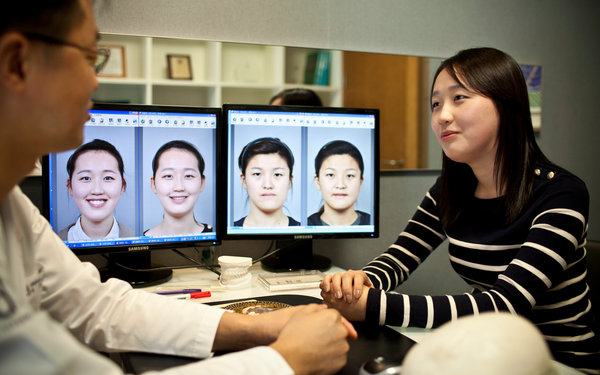
This exchange highlights the two primary lenses through which plastic surgery is viewed in South Korean society. On one hand, it is seen as an empowering choice for the individual to reclaim confidence. On the other, it is criticized as a surrender to external pressures that dictate a narrow and often unattainable standard of beauty. While G.NA’s rebuttal—expressing frustration with what she perceived as a lack of male understanding—was less an analytical argument and more an emotional reaction, it underscored the gendered nature of the pressure to maintain a youthful and "ideal" appearance.
The Homogenization of Beauty: The Miss Daegu Case Study
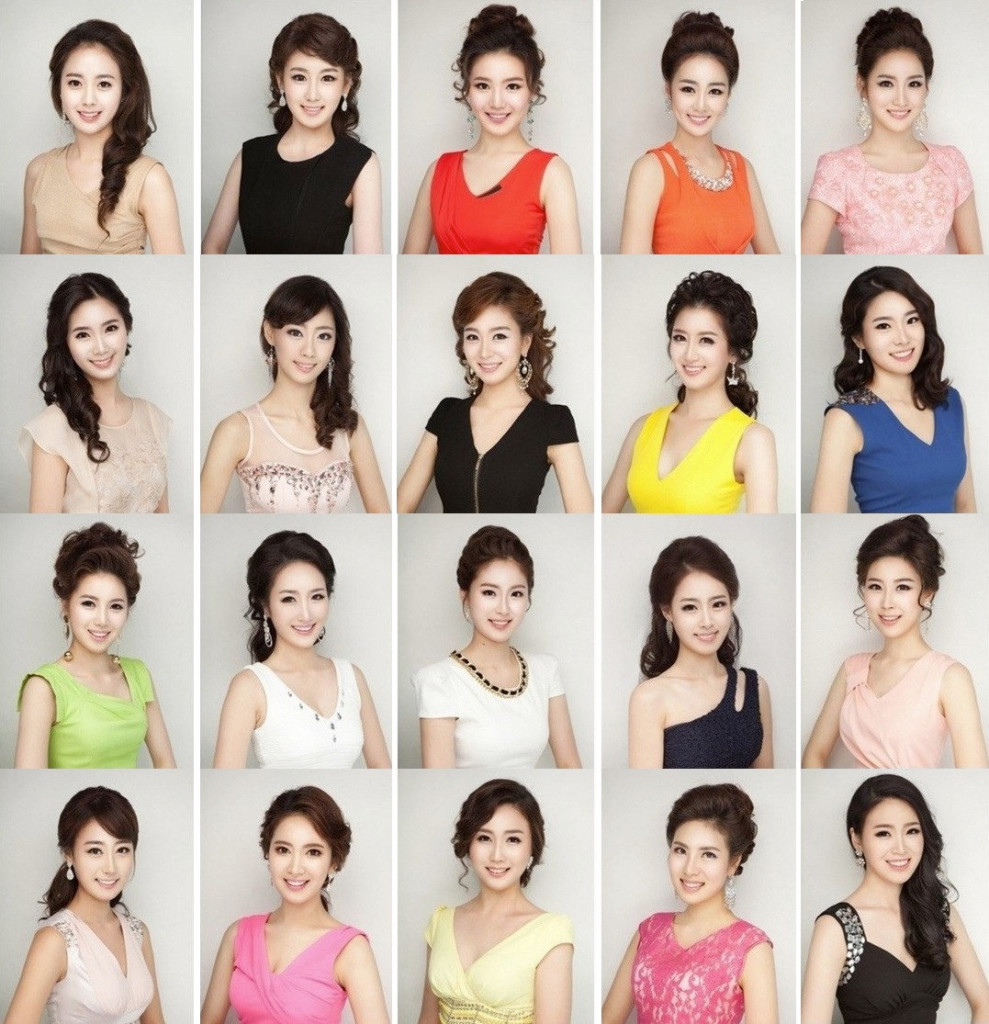
The tension between individual choice and societal pressure is perhaps most visible in the realm of beauty pageants. In 2013, the Miss Daegu competition, a regional preliminary for the Miss Korea pageant, sparked international debate when the official photographs of the twenty contestants were released. Observers noted a striking similarity among the candidates, leading to accusations that the "ideal" Korean face had become a standardized product of the surgical industry.
The contestants shared nearly identical features: large eyes with pronounced double eyelids, high and narrow nasal bridges, pale skin, and the "V-line" jaw—a soft, heart-shaped facial structure. This homogeneity suggests that while individuals may seek surgery for "personal satisfaction," their definition of satisfaction is often filtered through a singular, culturally approved template. When twenty different women from a diverse region emerge looking like "clones," it raises questions about the loss of ethnic diversity and the marginalization of natural features that do not align with the prevailing aesthetic trend.
In South Korea, this look is often referred to as the "Gangnam face," named after the affluent district in Seoul that houses hundreds of plastic surgery clinics. The "beauty belt" in Apgujeong-dong serves as a physical manifestation of this industry, where advertisements for "eye-shape correction" and "facial contouring" are ubiquitous on public transportation and billboards, normalizing the idea that the human face is a project to be perpetually optimized.

Statistical Overview of the South Korean Cosmetic Industry
The data supporting South Korea’s status as a surgical hub is significant. According to reports from the International Society of Aesthetic Plastic Surgery (ISAPS), South Korea consistently ranks among the highest in the world for procedures per capita. In some years, statistics have suggested that as many as one in five women in Seoul has undergone some form of cosmetic procedure.
The industry is not limited to domestic consumers. "Medical tourism" has become a vital sector of the South Korean economy, with thousands of international patients—particularly from China and Southeast Asia—traveling to Seoul to achieve the "K-pop look." The South Korean government has historically supported this industry through tax incentives and infrastructure development, viewing the "K-Beauty" wave as a powerful tool of "soft power" and economic growth.
The most common procedures include:
- Blepharoplasty (Double Eyelid Surgery): The most frequent procedure, often performed on teenagers as a graduation gift.
- Rhinoplasty: Aimed at creating a higher, more "Westernized" nasal bridge.
- V-line Jaw Reduction: A more invasive procedure involving the shaving of the mandible to create a slimmer facial profile.
- Epicanthoplasty: A procedure to lengthen the eyes by removing the epicanthic fold.
The Role of K-Pop and Media Representation
The K-pop industry acts as both a mirror and a catalyst for these beauty standards. Idols are frequently presented as the "ideal" human form, and their images are used as reference points in surgical consultations. While some celebrities, such as Hyorin of SISTAR or members of Brown Eyed Girls, have been relatively open about their procedures, the majority of the industry remains shrouded in a "don’t ask, don’t tell" policy.

This lack of transparency creates a paradoxical environment. On one hand, surgery is normalized to the point of being a mundane life event; on the other, there is still a premium placed on "natural beauty." When a celebrity is revealed to have had surgery, they may face criticism for being "fake," yet if they do not meet the aesthetic standard, they are criticized for being "unattractive."
Furthermore, the South Korean media landscape lacks a diverse range of beauty icons. Unlike in Western media, where movements for body positivity and diverse representation have gained some traction, South Korean television often relegates those who do not fit the "ideal" to comedic roles. Comedians like Kim Shin-young or Jung Ju-ri are frequently the subjects of jokes regarding their appearance, reinforcing the idea that beauty is a prerequisite for being taken seriously in non-comedic or romantic roles.
Lookism and the Professional Impact
The drive for plastic surgery in South Korea is not solely fueled by the desire to look like a pop star; it is often a pragmatic response to a phenomenon known as "lookism" (oemo-jisang-juui). In a hyper-competitive job market, physical appearance is frequently considered a legitimate criterion for employment.
It is standard practice for South Korean resumes to include a professional photograph. Many job seekers believe that "correcting" their features will give them a competitive edge during the interview process. This has led to the rise of "employment plastic surgery," where procedures are viewed as an investment in one’s career rather than a luxury. When society rewards a specific look with better job prospects and higher social status, the "personal choice" to undergo surgery becomes an economic necessity.
Broader Implications and the Path Forward
The glorification of a manufactured ideal by pop culture and the media places inordinate pressure on the public to conform. This creates a cycle where the media promotes a narrow standard, the public seeks surgery to meet that standard, and the resulting homogeneity further narrows the definition of beauty.
However, there are signs of a burgeoning shift in perspective. Dissenting voices are beginning to emerge, calling for a "Skip the Corset" movement and challenging the rigid expectations placed on women’s appearances. Some celebrities have begun to speak more candidly about the pain and risks associated with frequent surgeries, and there is a growing, albeit small, segment of the media that celebrates diverse facial features.
The future of South Korea’s relationship with plastic surgery will likely depend on whether the media can move beyond the "manufactured ideal" and embrace a more inclusive definition of beauty. Until self-acceptance is marketed as successfully as surgical enhancement, the pressure to conform will remain a dominant force in South Korean life. The challenge lies in deconstructing a societal structure that equates physical "perfection" with moral and professional worth, allowing for a culture where the decision to undergo surgery is truly a personal one, free from the weight of systemic coercion.