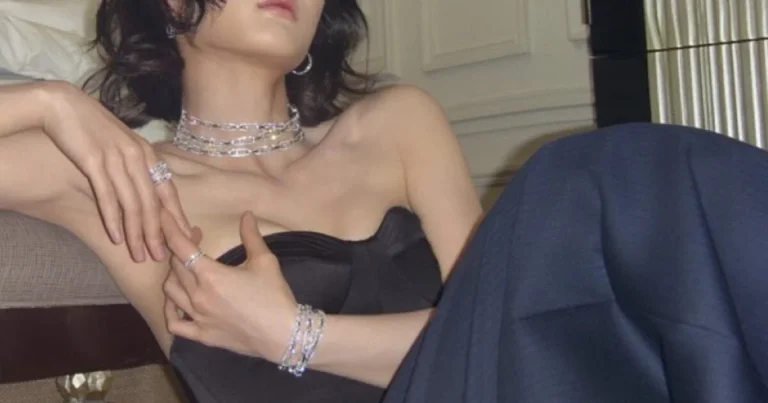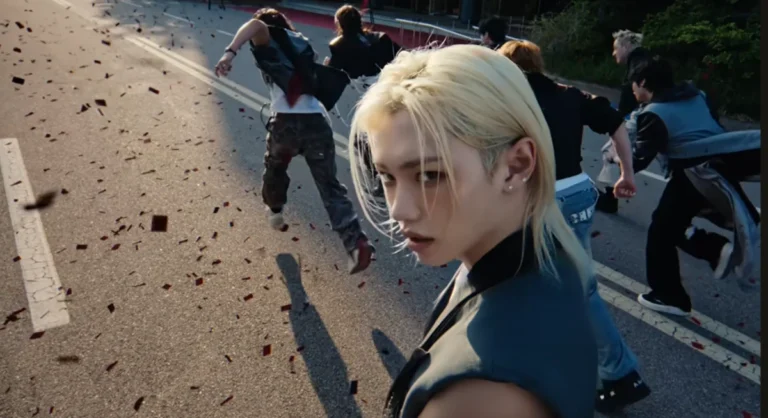
K-Pop soloist Kwon Eunbi has openly articulated a complex sentiment regarding the unexpected resurgence of her song "Underwater" and her subsequent surge in popularity, largely attributed to her viral performance at the Waterbomb festival. In a video released on YouTube on September 25th, the artist shared her candid thoughts, revealing a nuanced regret despite the undeniable career boost. Her statements highlight the intricate balance between commercial success, public image, and an artist’s desire for authentic self-expression within the highly competitive and visually driven K-Pop industry.
The Genesis of a Viral Phenomenon: "Underwater" and Waterbomb
Kwon Eunbi’s song "Underwater," initially released in October 2022 as part of her third mini-album Lethality, did not achieve immediate widespread commercial success upon its debut. Despite critical acclaim for its mature sound and Eunbi’s polished performance, it remained largely a hidden gem within her discography. This trajectory, however, drastically shifted following her electrifying performance at the Waterbomb Seoul 2023 festival in June of the following year.
Waterbomb is an annual summer music festival in South Korea renowned for its unique blend of K-Pop and hip-hop acts, vibrant stage designs, and interactive water cannons that drench both performers and audience members. The festival has become a significant platform for artists to connect with fans in a more dynamic and visually engaging environment, often leading to viral moments. Eunbi’s "Underwater" performance, characterized by her confident stage presence, captivating visuals, and the song’s energetic beat perfectly complemented by the festival’s watery theme, quickly went viral across various social media platforms. Fan-recorded videos and official clips garnered millions of views, transforming "Underwater" into a sleeper hit and propelling Kwon Eunbi into the mainstream spotlight. The sudden explosion of interest saw "Underwater" re-enter and climb various domestic and international music charts, experiencing a significant spike in streaming numbers and digital sales months after its initial release.
Artist’s Reflection: The Double-Edged Sword of Viral Fame
During her recent YouTube interview, Kwon Eunbi acknowledged the immense impact of the Waterbomb phenomenon but expressed a distinct feeling of regret. "At first, it didn’t do well," she recounted, referring to the initial reception of "Underwater." "Since it became viral through Waterbomb, there was some regret. I kept wondering if that kind of performance was always necessary. I wanted to try singing songs that felt more like me." This statement illuminates a critical tension many artists face: the dichotomy between the image that gains widespread public appeal and the authentic artistic identity they wish to cultivate.
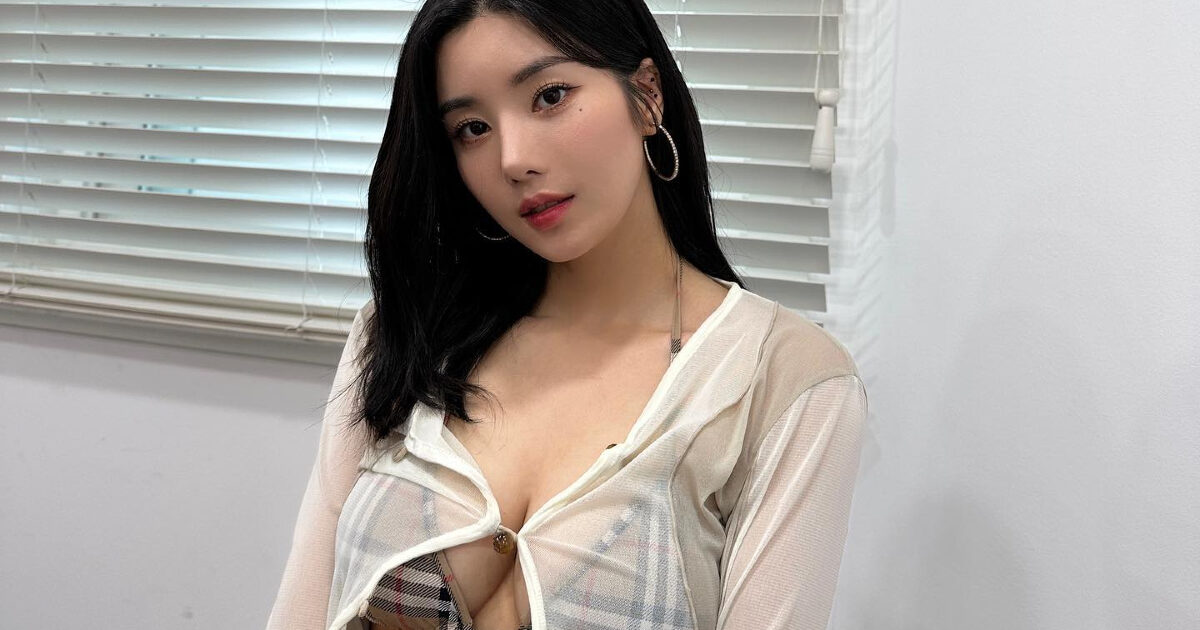
The "kind of performance" Eunbi refers to is widely understood to be the visually striking, often ‘sexy’ or ‘charismatic’ stage presence that resonated so strongly with the Waterbomb audience and subsequently went viral. While undoubtedly effective in capturing attention, her reflection suggests an internal conflict regarding whether this specific portrayal accurately represents her broader artistic vision or if it merely became a necessary gateway to recognition. This sentiment resonates with broader discussions within the K-Pop industry about the pressures artists face to conform to certain concepts or images that are perceived to be commercially viable, sometimes at the expense of their personal artistic preferences.
*Kwon Eunbi’s Evolving Career Trajectory: From IZONE to Solo Stardom**
To fully appreciate Eunbi’s current reflections, it is crucial to understand her journey within the K-Pop landscape. Kwon Eunbi first rose to prominence as the leader of the immensely popular project girl group IZONE, formed through Mnet’s reality competition show Produce 48 in 2018. During her tenure with IZONE, she showcased her versatile talents as a vocalist, dancer, and leader, contributing to the group’s significant success and cementing her reputation as a formidable performer. IZ*ONE achieved considerable commercial success, selling millions of albums and embarking on sold-out tours, garnering a massive global fanbase.
Following IZONE’s disbandment in April 2021, Eunbi embarked on her solo career, debuting with her first extended play Open in August 2021, featuring the title track "Door." Her solo endeavors saw her exploring a more mature and sophisticated sound, attempting to carve out a distinct identity beyond her group activities. Her subsequent releases, including Color (2022) and Lethality* (2022), continued this exploration, with "Underwater" being a prominent track from the latter. While her solo work consistently received praise for its quality and Eunbi’s refined artistry, it struggled to achieve the same level of mainstream penetration as her former group’s releases until the unexpected surge fueled by Waterbomb. This background underscores the significant challenge of transitioning from a successful group to a solo artist, often requiring a unique breakthrough moment to capture widespread public attention.
The Pursuit of Authenticity: Introducing "DEJAVU"
In response to the discussions surrounding her image and the Waterbomb phenomenon, Kwon Eunbi introduced her new song, "DEJAVU," as an intentional step towards showcasing a different facet of her artistry. She explained, "People think of me with a very sexy and charismatic image, but I wanted to show a more natural side as well." This statement indicates a deliberate effort to diversify her public persona and present a more holistic representation of herself as an artist.
The strategic release of "DEJAVU" following the "Underwater" virality can be interpreted as an artist reclaiming narrative control. While acknowledging the commercial benefits of her viral moment, Eunbi appears keen to demonstrate that her artistry extends beyond the specific aesthetic that garnered her recent fame. This move aligns with a growing trend among K-Pop idols who, as they mature in their careers, seek to exert more influence over their creative direction and public image, moving beyond agency-driven concepts to more personally reflective artistic expressions. This shift is crucial for long-term career sustainability and artistic fulfillment, allowing artists to evolve with their audience rather than being confined to a single, successful concept.

Navigating the Digital Landscape: Stress, Malicious Comments, and Resilience
Beyond her artistic aspirations, Kwon Eunbi also addressed the mental toll of being a public figure in the digital age, particularly concerning stress and malicious comments. She shared a remarkably resilient outlook: "I tend to let things go easily. Of course, I feel bad and want to fight when I see malicious comments, but I don’t have the time to deal with them. I’m too busy living my life." She further added, "In the beginning, it was really hard, but gradually I got used to it, and the interest just faded away."
This candid admission sheds light on the immense pressure and scrutiny faced by K-Pop idols. Malicious comments, often fueled by anonymous online platforms, can severely impact an artist’s mental well-being. Eunbi’s coping mechanism—prioritizing her own life and gradually developing immunity to negative feedback—speaks to the psychological fortitude required to thrive in such an environment. Her experience reflects a common trajectory for many public figures: an initial struggle with online negativity, followed by a learned resilience and a strategic disengagement from toxic online discourse. This resilience is not merely personal; it is often a necessary survival mechanism in an industry where public perception is paramount and online interactions are incessant.
Broader Implications for the K-Pop Industry and Artist Autonomy
Kwon Eunbi’s candid reflections carry significant implications for the broader K-Pop industry. Her experience underscores several key dynamics:
- The Power of Viral Moments vs. Organic Growth: While viral moments like the Waterbomb performance can provide an immediate and massive boost in recognition, they often come with the challenge of managing an unexpected image or narrative. Artists and their agencies must then strategize how to leverage this sudden fame while guiding the public’s perception towards the artist’s intended long-term vision. The question arises whether such explosive virality is a sustainable or always desirable path for an artist’s career, or if it can pigeonhole them into a specific, potentially fleeting, aesthetic.
- Artist Autonomy and Image Control: Eunbi’s regret highlights the ongoing tension between an artist’s desire for self-expression and the commercial realities dictated by their management. While agencies aim for market success, artists often grapple with maintaining authenticity. Her statement could fuel further discussions within the industry about providing artists more creative control, especially as they mature and gain experience.
- The Role of Festivals in K-Pop Marketing: Festivals like Waterbomb have evolved from mere performance venues to critical marketing platforms. Their ability to generate viral content can be more impactful than traditional promotional cycles. However, as Eunbi’s case illustrates, the content that goes viral may not always align with the artist’s overarching image strategy, creating a dilemma for future artistic direction.
- Fan Expectations and Adaptation: The K-Pop fanbase is known for its passionate engagement. When an artist experiences a sudden surge in popularity through a specific image, a segment of the new fanbase might expect that image to be consistently maintained. An artist’s attempt to diversify or shift their image, as Eunbi is doing with "DEJAVU," requires careful communication and can sometimes lead to mixed reactions from different fan segments. It becomes a test of the artist’s ability to evolve and bring their audience along with them.
- Mental Health and Resilience: Eunbi’s comments on malicious comments reiterate the constant mental health challenges faced by idols. Her approach of "letting things go" and focusing on her life, while a personal coping mechanism, underscores the need for robust support systems within agencies and a collective industry effort to combat online toxicity.
Conclusion
Kwon Eunbi’s recent statements offer a rare glimpse into the complexities of modern K-Pop stardom. Her journey with "Underwater" and Waterbomb serves as a compelling case study of how viral fame can both elevate and complicate an artist’s path. While immensely grateful for the newfound recognition, her expressions of regret and her subsequent move towards "DEJAVU" signify a mature artist’s pursuit of authenticity and control over her narrative. Her resilience in the face of online negativity further cements her image as a steadfast and self-aware performer navigating the challenging, yet rewarding, landscape of the global music industry. As Kwon Eunbi continues to evolve, her experiences will undoubtedly contribute to broader conversations about artistic integrity, marketing strategies, and the personal well-being of idols in the ever-watchful public eye.