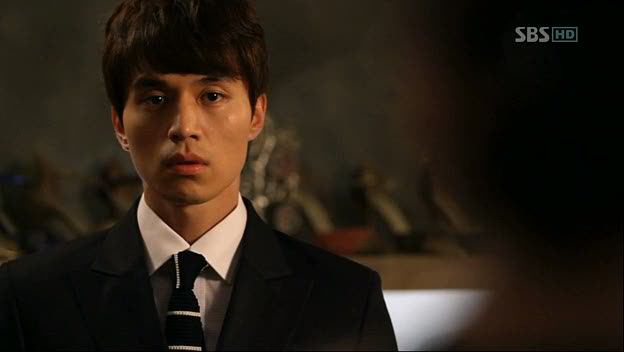
In the landscape of South Korean television, a specific character archetype has become nearly inescapable: the young, impeccably dressed, and often profoundly arrogant heir to a massive business empire. These "poor little rich boys" are depicted navigating boardrooms with an air of boredom, clashing with stern CEO fathers, and eventually finding redemption through a chance encounter with a hardworking, optimistic woman from a lower socioeconomic background. While these tropes provide the narrative engine for international hits like Secret Garden, What Happened in Bali, and King the Land, they are rooted in a uniquely Korean socioeconomic reality known as the chaebol. The term chaebol, a transliteration of the Hanja words for "wealth" and "clan," refers to the massive, family-owned conglomerates that dominate the South Korean economy. While K-pop fans may recognize the term through idols like Super Junior’s Choi Siwon, whose father led the Boryung Medical Group, the reality of the chaebol is far more complex and controversial than the polished image presented in entertainment.
The Structural Anatomy of the Chaebol System
A chaebol is not merely a large corporation; it is a sprawling network of diversified companies held together by complex cross-shareholding arrangements and controlled by a single founding family. Unlike Western conglomerates, which often focus on a core competency, South Korean chaebol are "octopus-like" in their reach. For example, Hyundai is globally recognized for its automotive division, yet the brand encompasses department stores, heavy construction, elevator manufacturing, and oil refineries. Samsung, the most prominent of all, operates in electronics, life insurance, shipbuilding, and even manages the Everland theme park.
The scale of these entities is difficult to overstate. Data from the Korea Fair Trade Commission (KFTC) indicates that the top ten chaebol account for a staggering percentage of South Korea’s Gross Domestic Product (GDP). In some fiscal years, the combined revenue of the top five groups—Samsung, Hyundai Motor, SK, LG, and Lotte—has represented nearly 60% to 80% of the nation’s total economic output. This concentration of power ensures that the decisions made in the boardrooms of these families affect the livelihoods of millions and dictate the direction of national fiscal policy.
A Chronology of the Miracle on the Han River
The rise of the chaebol is inextricably linked to South Korea’s rapid transformation from a war-torn agrarian society into a global industrial powerhouse, a phenomenon known as the "Miracle on the Han River."
-
The Post-War Era (1953–1960): Following the 1953 armistice, South Korea was one of the poorest nations on earth. The economy relied heavily on US aid. During this period, the foundations of early chaebol were laid as certain businessmen acquired formerly Japanese-owned assets and received preferential access to foreign exchange.
-
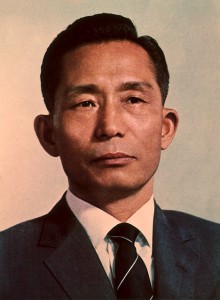
The Park Chung-hee Administration (1961–1979): The true architect of the chaebol system was General Park Chung-hee, who seized power in a 1961 coup. Park’s administration implemented a state-led development model that prioritized export-oriented industrialization. The government hand-selected specific companies to lead key sectors like steel, shipbuilding, and electronics. These firms were granted massive low-interest loans, protection from foreign competition, and tax incentives. In return, they were required to meet strict government-mandated export quotas.
-
Heavy and Chemical Industrialization (1970s): The government pushed the chaebol into heavy industries, facilitating the growth of giants like POSCO and Hyundai Heavy Industries. This era cemented the "too big to fail" status of these conglomerates.

-
The 1997 Asian Financial Crisis: This served as a turning point. The high debt-to-equity ratios that fueled chaebol growth became a liability. Massive groups like Daewoo collapsed under the weight of their debt, leading to forced restructuring and the realization that the cozy relationship between banks, government, and business required urgent reform.
-
The Modern Era (2000s–Present): Today, chaebol are global leaders in high-tech sectors. However, they face increasing scrutiny over succession practices, corporate governance, and their impact on the domestic job market.
The Symbiosis of Business and Politics
The relationship between the "Blue House" (the former South Korean presidential residence) and the chaebol has historically been one of mutual dependence. While the government provided the legislative and financial framework for these companies to flourish, the chaebol provided the economic growth necessary for political stability. However, this proximity has frequently descended into systemic corruption.
The history of South Korean politics is littered with instances of "money-for-influence" scandals. Former President Lee Myung-bak, who served as the CEO of Hyundai Engineering and Construction before entering politics, exemplified the blurring lines between corporate leadership and national governance. More recently, the 2016-2017 political crisis that led to the impeachment of President Park Geun-hye (daughter of Park Chung-hee) was triggered by revelations of illicit ties between the presidency and Samsung Group leadership.

Critics argue that this relationship stifles innovation. Pusan University Professor Robert Kelly has noted that the chaebol often act as "politics-corrupting, consumer-punishing oligopolists." Because these giants receive preferential treatment, small and medium-sized enterprises (SMEs) struggle to compete for talent, capital, and market share. This has created a "dual labor market" in South Korea, where a small percentage of workers enjoy high wages and job security at chaebol, while the majority work in less stable, lower-paying roles at smaller firms.
Societal Impact and the K-Drama Reflection
The cultural obsession with chaebol in media reflects a deep-seated societal ambivalence. On one hand, there is a sense of national pride in the global success of Samsung or LG. On the other, there is a profound frustration with the "gold spoon" (geum-su-jeo) culture, where wealth and status are inherited rather than earned.
In K-dramas, the chaebol heir is often portrayed as a victim of his own wealth—lonely, pressured by family expectations, and lacking genuine human connection. This narrative choice humanizes figures who, in reality, are often viewed with suspicion by the public. However, the reality of succession is often more clinical. Chaebol families frequently use complex circular shareholding—where Company A owns shares in Company B, which owns shares in Company C, which in turn owns shares in Company A—to maintain control over an entire group with only a small percentage of actual equity. This allows founding families to pass control to their children, often avoiding the full weight of South Korea’s high inheritance taxes.
Official Responses and Reform Efforts
In recent years, the South Korean government has faced mounting pressure to reform the chaebol system. The concept of "Economic Democratization" became a central campaign theme for several administrations.
- The Korea Fair Trade Commission (KFTC): The agency has stepped up enforcement against "intra-group trading," a practice where chaebol subsidiaries award lucrative contracts to one another (often companies owned by the chairman’s children) rather than opening them to the competitive market.
- Corporate Governance Reform: Institutional investors, including the National Pension Service (NPS), have become more active in exercising their voting rights to challenge family-led boards on issues of transparency and shareholder value.
- The "Korea Discount": Economists often point to the "Korea Discount," where South Korean stocks are traded at lower valuations compared to global peers due to poor corporate governance and the perceived risks associated with family-controlled management. Addressing this has become a priority for financial regulators aiming to attract more foreign investment.
The Future of the Chaebol Model
As South Korea navigates the fourth industrial revolution, the traditional chaebol model faces an existential challenge. The top-down, rigid management style that worked for manufacturing ships and cars may not be suited for the agile, creative demands of the software and AI industries. Furthermore, the younger generation of South Koreans is increasingly vocal about the lack of social mobility, leading to a "love-hate" relationship with the conglomerates that provide the country’s economic backbone but also symbolize its inequality.
While the chaebol are unlikely to disappear, their evolution is inevitable. The transition from family-led management to professional, transparent governance is the primary hurdle. As global consumers and investors demand higher ESG (Environmental, Social, and Governance) standards, the "ridiculously good-looking, unbearably smug" heirs of fiction will find that the real-world boardrooms of the future require more than just a famous surname and a well-tailored suit. They will require a fundamental shift in how power and wealth are distributed in the Land of the Morning Calm.