A recent incident at Paris Fashion Week involving Japanese idol Hirano Sho, a prominent member of the group Number_i, and actor Josh Heuston has ignited a significant public outcry, drawing criticism from fans and observers worldwide regarding perceived breaches of etiquette and personal space. The event, which transpired during the highly anticipated Louis Vuitton fashion show, quickly became a focal point of online discussion, with social media users expressing widespread sympathy for Hirano Sho and condemnation for Heuston’s conduct. The incident underscores the intense scrutiny faced by public figures in high-profile settings and the swift nature of digital accountability.
The Incident Unfolds: A Detailed Account from the Front Row
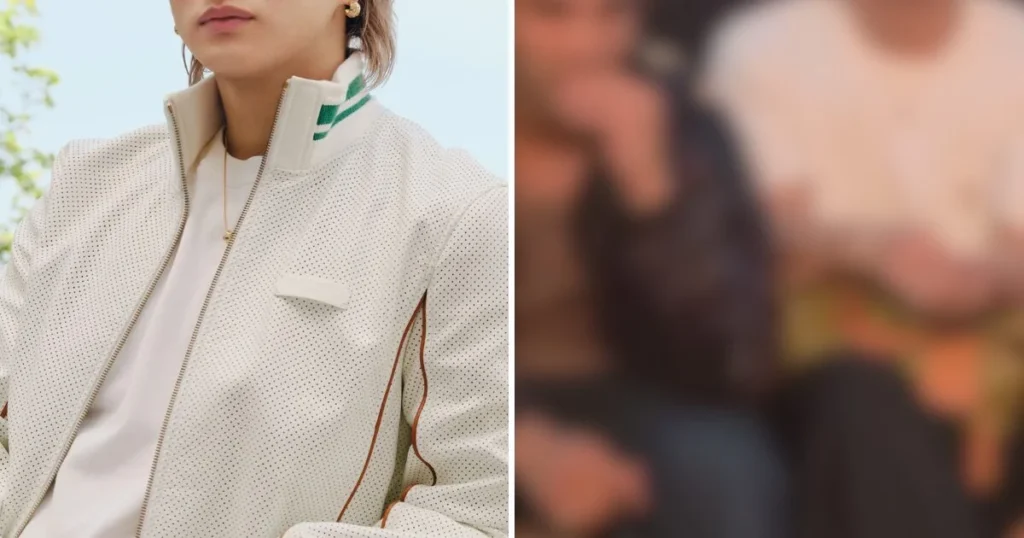
The controversy emerged from clips widely circulated across social media platforms, particularly X (formerly Twitter), depicting moments during the Louis Vuitton Fall/Winter 2027 menswear show in Paris. Hirano Sho, seated prominently in the front row, was observed alongside Australian actor Josh Heuston. According to numerous eyewitness accounts and video analyses, Heuston allegedly engaged in behavior that many deemed disrespectful.
Key points of contention include Heuston’s posture, characterized by many as "manspreading," where he occupied a disproportionate amount of space by widely spreading his legs, encroaching on the personal area typically afforded to fellow attendees in the often-cramped front-row seating arrangements. More critically, footage captured Heuston reaching across Hirano Sho’s immediate personal space, an action that visibly prompted a reaction from the Japanese idol. Hirano Sho was seen subtly recoiling and appearing to gesture or react as if an unpleasant or unexpected sensation, possibly an odor, had passed in front of him. This particular moment, captured and replayed countless times, became a central piece of evidence for those alleging impropriety. The lack of apparent verbal communication or acknowledgment from Heuston before or during these actions further fueled the perception of rudeness and disregard for his neighbor.
The speed at which these clips disseminated across global fan communities was remarkable. Within minutes of being posted, the videos garnered thousands of views, shares, and comments, rapidly escalating the incident from a minor interaction to a major international talking point. Fans expressed dismay at Hirano’s visible discomfort and the perceived lack of decorum from a fellow celebrity at such a prestigious event.
Context of Paris Fashion Week and Louis Vuitton’s Global Stage

Paris Fashion Week stands as one of the "Big Four" global fashion events, alongside those in New York, London, and Milan. It is a critical nexus for designers, celebrities, buyers, and media, dictating global fashion trends and generating immense media attention. Brands like Louis Vuitton, a cornerstone of French luxury, leverage these events to unveil their latest collections, reinforce their brand identity, and cultivate an image of exclusivity and sophistication.
Front-row seating at a Louis Vuitton show is not merely a vantage point; it is a meticulously curated display of influence and status. Celebrities, influencers, and industry titans are strategically placed to maximize media exposure and associate their personal brands with the luxury label. Attendees are often chosen for their global appeal, cultural relevance, and ability to generate buzz. For an idol like Hirano Sho, his presence signifies his burgeoning international appeal and the brand’s recognition of his significant influence, particularly within the Asian market. Therefore, any perceived misstep in this highly visible and carefully orchestrated environment can carry amplified consequences, not just for the individuals involved but potentially for the brand’s image as well. The expectation for all attendees, especially those in the front row, is to embody a level of grace, professionalism, and respect that aligns with the event’s prestige.
Profiles of the Personalities Involved: A Clash of Public Personas
Hirano Sho: A Global Idol’s Ascending Presence
Hirano Sho is a household name in Japan and increasingly recognized internationally. As a former member of the immensely popular J-pop group King & Prince, he commanded a massive and devoted fanbase. Following his departure from King & Prince in May 2023, he co-founded the new group Number_i, continuing his trajectory as a leading figure in Japanese entertainment. His solo endeavors, including acting roles and brand endorsements, have further cemented his status as a cultural icon. Hirano’s appeal lies not only in his talent but also in his cultivated image of professionalism, humility, and charm, which resonates deeply with his audience. His attendance at Paris Fashion Week, especially representing a brand of Louis Vuitton’s caliber, signifies a strategic step in his global expansion. His fans, known for their fierce loyalty and extensive online presence, are quick to defend his reputation and uphold the respect they believe he deserves. This incident, therefore, touched a nerve, as it appeared to challenge the very respect and personal dignity associated with their idol.
Josh Heuston: The Actor Under Unexpected Scrutiny
Josh Heuston is an Australian actor known for his roles in various television series, including "Dive Club" and the popular Netflix series "Heartbreak High" (a reboot of the iconic 90s show, sometimes referred to by fans as "Off Campus" in casual discussion). Prior to this incident, Heuston’s public profile was largely associated with his acting career and his image as a rising talent. The viral clips from Paris Fashion Week, however, cast him in an entirely new and overwhelmingly negative light. The swiftness and severity of the online backlash indicate a significant departure from his previous public perception, marking a potential turning point in how he is viewed by international audiences, particularly those attuned to celebrity etiquette and cultural sensitivities. The comments directed at him frequently labeled him as "egocentric" and lacking "manners," directly challenging his public persona.
The Digital Firestorm: Netizen Reactions and Discourse
The immediate aftermath of the incident saw an explosion of activity across social media platforms. Twitter (X) became the primary arena for discussion, with hashtags related to Hirano Sho and Josh Heuston trending globally. The sentiment was overwhelmingly critical of Heuston.

- Condemnation of "Manspreading": Many users specifically called out the "manspreading" posture, linking it to broader discussions about male privilege and disrespect for personal space, especially in shared public settings. This particular aspect of the behavior resonated with a global audience sensitive to issues of gender and social conduct.
- Defense of Hirano Sho: Fans rallied to Hirano Sho’s defense, emphasizing his status as an ambassador and an internationally respected artist. Comments like "put respect on the ambassador Sho Hirano!" highlighted the perceived slight against his professional standing and personal dignity.
- Questions of Etiquette: A significant portion of the discourse revolved around general etiquette at high-profile events. Users questioned why Heuston felt entitled to invade another person’s space, particularly without communication. The idea that common courtesy should prevail, regardless of celebrity status, was a recurring theme.
- Rapid Virality and International Reach: The incident’s virality was amplified by the global nature of both Hirano Sho’s and Heuston’s fanbases. Tweets criticizing Heuston originated from various countries, demonstrating the international scope of the outrage and the interconnectedness of online communities. The speed with which Japanese and international fans converged to express their collective disapproval showcased the power of organized fanbases in shaping public narratives.
- Character Assessments: Beyond the specific actions, many netizens inferred character traits from Heuston’s behavior, labeling him "egocentric" and lacking "talent" or "manners." These personal attacks, while subjective, reflect the intense emotional reaction evoked by the perceived disrespect.
Etiquette in High-Profile Settings: Unspoken Rules and Expectations
High-profile events like Paris Fashion Week operate under a unique set of social contracts and unspoken rules. While often appearing glamorous and relaxed, every interaction is subject to scrutiny. Celebrities are expected to maintain a certain decorum, not just for their personal image but also for the brands they represent and the event’s overall ambiance.
- Respect for Personal Space: In crowded environments, especially where individuals are seated in close proximity, respect for personal space is paramount. This includes not encroaching on a neighbor’s seat, not reaching across their body without permission, and being mindful of one’s physical presence.
- Professional Demeanor: Attendees are expected to maintain a professional and courteous demeanor, engaging in polite interactions and avoiding behavior that could disrupt the experience for others or draw negative attention.
- Brand Representation: Celebrities at such events are often considered extensions of the brands they are associated with. Their conduct reflects not only on themselves but also on the luxury houses that invite them. Any incident that tarnishes their image can indirectly affect the brand’s perception.
- Cultural Sensitivities: In a globalized world, awareness of varying cultural norms regarding personal space and interaction is increasingly important. While "manspreading" is a debated issue in some cultures, the act of reaching across someone without acknowledgement is generally considered impolite across many cultural contexts.
Absence of Official Statements and Broader Implications
As of the current reporting, neither Hirano Sho’s representatives nor Josh Heuston’s management have issued official statements regarding the incident. Similarly, Louis Vuitton, the host brand, has remained publicly silent. This absence of immediate official response is typical in the initial stages of such controversies, as parties often opt to observe the situation and formulate a considered response, or hope the controversy subsides naturally.
However, the implications of such an incident extend beyond the immediate social media storm:
- Impact on Celebrity Image: For Heuston, the viral clips could significantly damage his public image, particularly among international audiences unfamiliar with his work but now exposed to this negative portrayal. Rehabilitating a tarnished image, especially one associated with a lack of manners, can be a challenging and lengthy process. For Hirano Sho, the incident inadvertently garnered him sympathy and reinforced his image as a gracious and composed individual, despite the discomfort he experienced.
- Brand Perception: While Louis Vuitton was not directly involved in the conduct, the incident occurred at their show. Brands are increasingly sensitive to the behavior of their celebrity guests, as such events are meticulously planned image-building exercises. Negative associations, even indirect ones, can subtly affect brand perception, particularly if the controversy escalates or is perceived as a recurring issue.
- Social Media’s Role in Accountability: The incident serves as another powerful example of how social media has become a primary arbiter of public conduct for celebrities. Every action in a public setting can be filmed, dissected, and judged by a global audience, leading to rapid accountability that bypasses traditional media gatekeepers. This phenomenon compels public figures to be increasingly mindful of their behavior in all contexts.
- Future Interactions and Event Planning: This incident may prompt event organizers and talent agencies to reinforce codes of conduct for celebrity attendees, emphasizing respectful interaction and awareness of personal space. It highlights the growing need for public figures to navigate diverse cultural expectations in an increasingly interconnected world.
In conclusion, the interaction between Hirano Sho and Josh Heuston at Paris Fashion Week, while seemingly minor, has resonated deeply with audiences worldwide. It has sparked a crucial discussion on celebrity etiquette, personal space, and the amplified role of social media in holding public figures accountable. The incident serves as a stark reminder that in the high-stakes environment of global events, even fleeting moments can have lasting impacts on reputations and public perception.