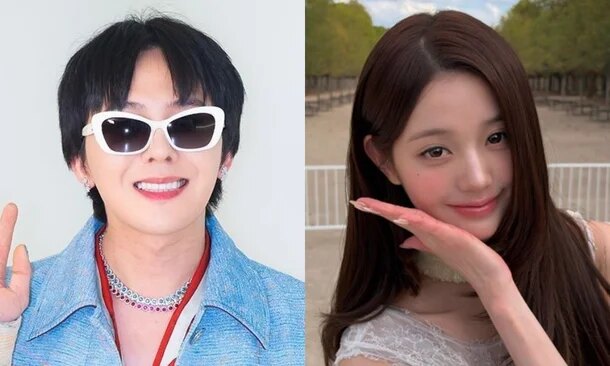
The digital landscape of the K-Pop industry once again finds itself abuzz following reports that G-Dragon, the iconic leader of BIGBANG, was observed engaging with social media content featuring IVE’s Jang Wonyoung. This seemingly innocuous act of liking photographs on a public platform has ignited a fervent discussion among fans and netizens, drawing attention to the intricate dynamics of idol interactions, age perceptions within the industry, and the ever-present scrutiny that accompanies celebrity in the digital age. The incident marks the second documented instance of G-Dragon’s official account interacting with Jang Wonyoung’s posts, adding a layer of perceived intentionality to what some might otherwise dismiss as a casual online gesture.
Unpacking the Digital Interaction
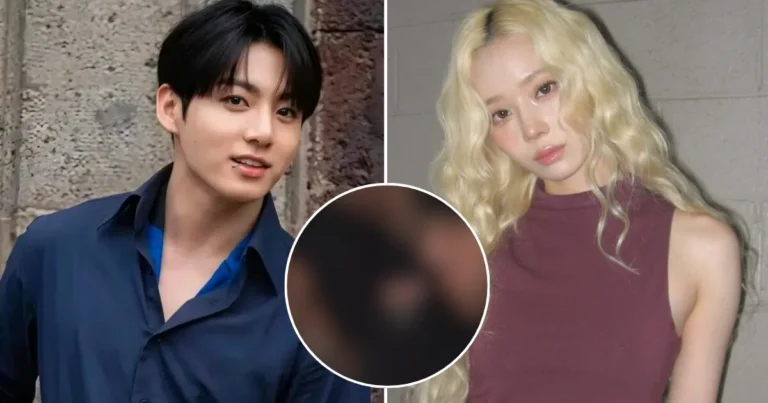
Reports surfaced on October 2, 2026, indicating that G-Dragon’s verified social media account had ‘liked’ a series of photos uploaded by Jang Wonyoung. The images, which quickly circulated across various online communities, depicted the IVE member attending a high-profile fashion brand event. Jang Wonyoung, renowned for her captivating visuals and burgeoning influence in the fashion world, frequently shares updates from such exclusive engagements, which often garner hundreds of thousands of likes and thousands of comments from her global fanbase. It was amidst this digital flurry that eagle-eyed netizens identified G-Dragon’s distinct profile among the likes, immediately sparking speculation and widespread discussion.
The immediacy of the online reaction underscores the intense public interest in the personal lives and digital footprints of K-Pop idols. Within minutes of the observation, screenshots of the ‘liked’ post began trending across platforms like X (formerly Twitter), Weibo, and various Korean online forums such as Pann Nate and TheQoo. The conversation quickly shifted from simple observation to a more nuanced debate concerning the nature of the interaction, given the significant stature of both artists involved and the considerable age gap between them. For many, the act was a trivial display of admiration between industry colleagues; for others, it presented a point of contention, particularly in light of G-Dragon’s previous similar actions.
A Pattern Emerges: Chronology of Digital Engagements
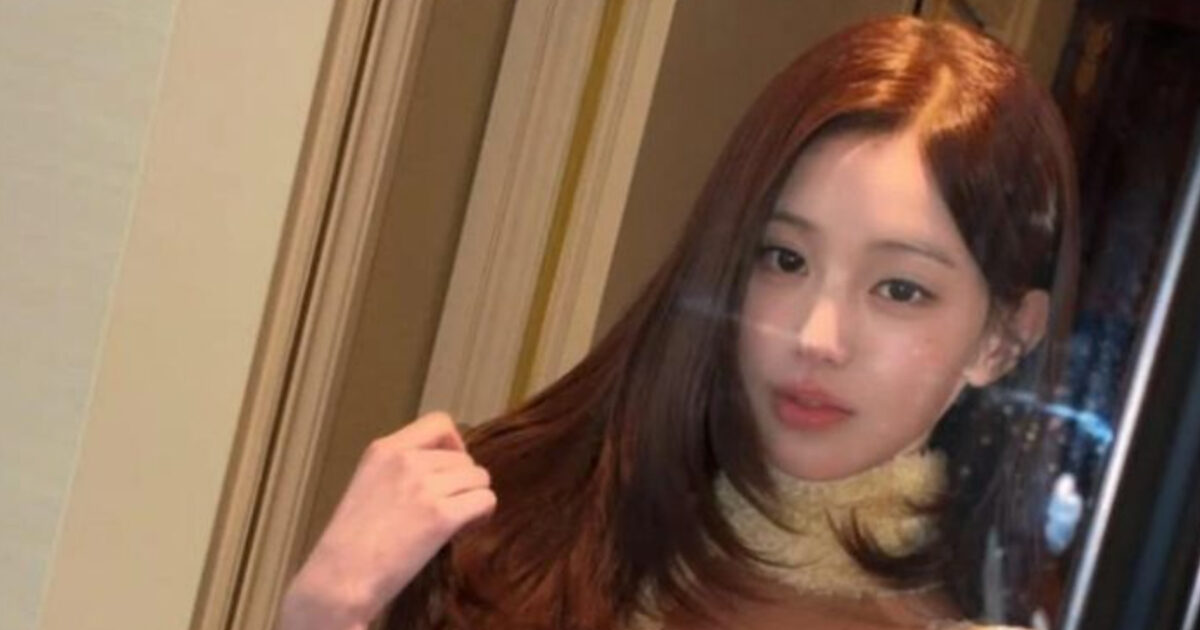
This recent ‘like’ is not an isolated incident but rather the second documented occurrence within a relatively short timeframe, lending credence to the idea that G-Dragon’s engagement with Jang Wonyoung’s content may represent more than a random algorithmic suggestion or accidental click. The first instance, widely reported and debated, occurred in August of the same year. At that time, G-Dragon’s account was similarly observed liking a post by Jang Wonyoung, which also featured her in a fashion-related context. The recurrence of this pattern has fueled the current wave of discussion, prompting netizens to question the motivations behind these repeated interactions.
The context of these interactions is often viewed through the lens of G-Dragon’s own public statements regarding his social media habits. In a prior appearance on Epik High’s popular YouTube channel, G-Dragon addressed the subject of his online activity, specifically touching upon the mechanics and implications of liking posts. During the interview, he candidly explained his approach to social media, stating, "When I’m traveling by car or have some free time, I quickly scan my feed and naturally ‘like’ posts that leave an impression. As I scroll through my feed following the recommendation algorithm, I sometimes cause unexpected incidents or make mistakes." This explanation, intended to clarify his often-unpredictable online presence, has now been revisited by netizens attempting to interpret the latest incident. While some accept his reasoning as a valid explanation for casual browsing, others argue that repeated interactions, particularly with the same individual, challenge the notion of mere accidental engagement or passive algorithmic influence.
The Idols in Focus: Profiles and Public Perception
To fully grasp the magnitude of this digital interaction, it is crucial to understand the individual profiles and public personas of G-Dragon and Jang Wonyoung. Their respective positions within the K-Pop hierarchy and their carefully curated images contribute significantly to the narrative surrounding such incidents.
G-Dragon: The Enduring Icon
Kwon Ji-yong, better known as G-Dragon, stands as an undisputed titan of the K-Pop industry. As the leader, main rapper, and primary songwriter of BIGBANG, he has been at the forefront of Korean popular culture for nearly two decades. His influence extends far beyond music, cementing his status as a global fashion icon, trendsetter, and cultural ambassador. With a career spanning from the mid-2000s, G-Dragon, now in his late thirties, represents a generation of K-Pop pioneers who broke barriers and propelled the genre onto the international stage. His artistic vision, experimental style, and unapologetic individuality have earned him a reputation as a "free spirit" and an "artist’s artist." He boasts a colossal social media following, with tens of millions of followers across platforms, making his every digital move highly visible and scrutinized. Historically, G-Dragon has been linked to numerous high-profile figures, and his private life has always been a subject of intense public interest, further magnifying the significance of any perceived interaction. His past brand endorsements include luxury giants like Chanel, solidifying his image as a sophisticated and avant-garde figure.
Jang Wonyoung: The Rising Star
In stark contrast to G-Dragon’s long-established legacy, Jang Wonyoung represents the new guard of K-Pop. A prominent member of the wildly successful girl group IVE, Jang Wonyoung rose to fame initially through the survival show Produce 48 and as a member of IZ*ONE before debuting with IVE in late 2021. Despite her relatively young age, she has quickly become one of the most recognizable and influential figures in the fourth generation of K-Pop. Her ethereal visuals, tall stature, and polished demeanor have earned her the moniker "It Girl," making her a highly sought-after face for luxury brands and editorial features. She is currently a global ambassador for brands like Miu Miu and Innisfree, showcasing her significant commercial appeal. As a teenager/young adult in her late teens or early twenties, Jang Wonyoung embodies an image of youthful elegance and aspirational charm. Her fanbase, primarily composed of younger demographics, is fiercely protective of her image, which is meticulously managed by her agency, Starship Entertainment, to maintain an aura of innocence and professionalism. Any perceived association or interaction that could potentially compromise this carefully cultivated image is often met with immediate concern from her supporters.

The intersection of these two distinct personas – a seasoned, boundary-pushing veteran and a rapidly ascending, meticulously crafted youth icon – creates a fertile ground for public interpretation and discussion when their digital paths cross.
Navigating K-Pop’s Digital Minefield: Fan Reactions and Industry Scrutiny
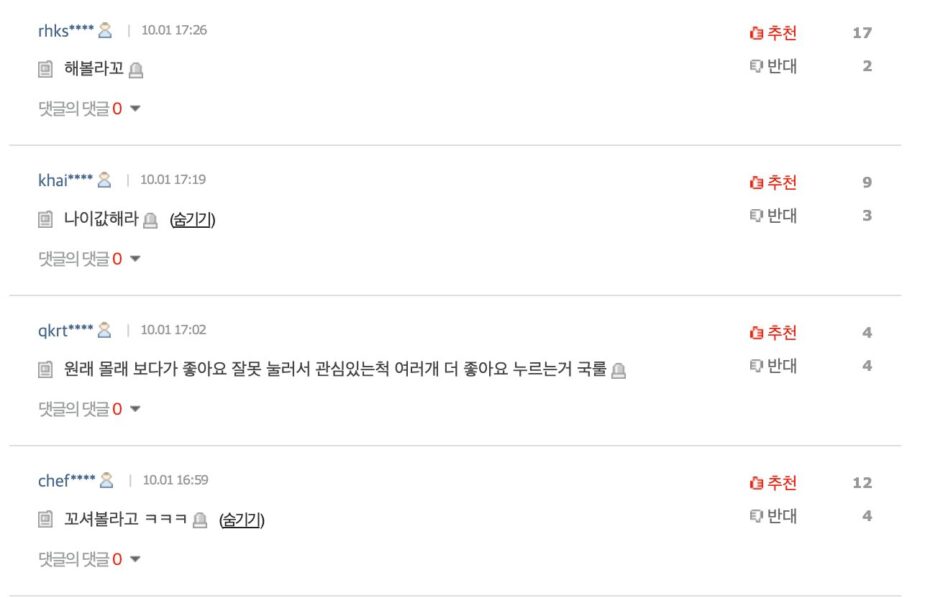
The online response to G-Dragon’s ‘like’ was immediate and multifaceted, reflecting the diverse perspectives within the K-Pop fandom and broader online community. A significant portion of netizens expressed criticism, demanding that G-Dragon "act his age." This sentiment often stemmed from a perceived inappropriateness of a much older male idol repeatedly engaging with the social media content of a significantly younger female idol. Comments frequently referenced the age gap, suggesting that G-Dragon’s actions were either immature or potentially unsettling. Phrases like "He needs to stop," "This is getting weird," and "There’s a reason people are uncomfortable" proliferated across comment sections and discussion forums. This segment of the audience often views such interactions through a lens of protective concern for Jang Wonyoung, whose image as a young, wholesome idol is paramount.
Conversely, another segment of the online community dismissed the controversy as an overreaction. These netizens argued that G-Dragon is merely an industry senior appreciating the work of a junior, or simply engaging with content that appears on his feed, consistent with his own explanation. They pointed out that a ‘like’ is a minimal form of interaction, hardly warranting the intense scrutiny it received. "It’s just a like, get over it," and "Why is everyone making a big deal out of nothing?" were common retorts from this group, who often defended G-Dragon’s right to digital autonomy and his reputation as an artist who defies conventional norms. Some even speculated that the ‘likes’ could be a nod to their shared connection to luxury fashion brands, or simply an acknowledgement of a well-executed photoshoot.
The episode also highlights the unique challenges idols face in the highly surveilled K-Pop ecosystem. Unlike celebrities in many Western markets, K-Pop idols are often held to extremely strict standards of conduct, with their personal lives and online activities scrutinized to an unprecedented degree. Every ‘like,’ ‘follow,’ or comment can be dissected for hidden meanings, potential relationships, or perceived missteps. This hyper-vigilance is exacerbated when interactions occur between idols of different genders or significant age differences, often triggering immediate speculation about romantic involvement, however unfounded. The "shipping" culture within K-Pop fandoms can turn even the most innocent interactions into fodder for elaborate theories, placing immense pressure on agencies to manage their artists’ online personas carefully. This incident serves as another stark reminder of the "double-edged sword" of social media for idols: while it offers a direct channel for fan engagement, it also opens them up to relentless public scrutiny and potential misinterpretation.
Official Silence and Unofficial Interpretations
In the immediate aftermath of the renewed controversy, both G-Dragon’s agency, YG Entertainment (or his current agency if he’s moved), and Jang Wonyoung’s agency, Starship Entertainment, maintained a strategic silence. This lack of an official statement is a common practice in the K-Pop industry when dealing with minor social media incidents that do not involve explicit misconduct or direct accusations. Agencies often prefer to let such matters dissipate naturally rather than drawing further attention to them through official denials or explanations, which can inadvertently fuel the narrative.
In the absence of formal comments, G-Dragon’s previous remarks on Epik High’s YouTube channel serve as his only publicly available stance on his social media habits. His explanation, emphasizing the casual and often unintentional nature of his ‘likes’ due to passive browsing and algorithmic recommendations, is the closest thing to an "official" response from the artist himself. While this statement was made prior to the current incident, it frames his general approach to social media and offers a potential interpretation for his actions.
For Jang Wonyoung and Starship Entertainment, the silence is likely aimed at protecting her meticulously crafted image. As a young and prominent idol, her agency would prioritize shielding her from any unwarranted speculation or association that could distract from her professional activities or artistic endeavors. Engaging with such a minor controversy could inadvertently legitimize the more extreme interpretations of G-Dragon’s ‘likes,’ potentially creating an unwanted narrative. Therefore, a policy of non-engagement is often seen as the safest approach to maintain an idol’s pristine image in the face of trivial online buzz. The focus remains on her work and brand endorsements, rather than external digital interactions.
Broader Implications: The Digital Footprint of Stardom
The recurring incident involving G-Dragon and Jang Wonyoung, while seemingly trivial on the surface, highlights several broader implications for the K-Pop industry and the nature of celebrity in the digital age.
Firstly, it underscores the magnified impact of a celebrity’s digital footprint. In an era where every click, scroll, and ‘like’ can be instantly documented and disseminated, the line between an idol’s private life and public persona becomes increasingly blurred. What might be a harmless habit for an ordinary individual transforms into a national discussion point when undertaken by figures of G-Dragon and Jang Wonyoung’s caliber. This phenomenon places immense pressure on idols to curate not only their outward appearances and performances but also their seemingly innocuous online activities.
Secondly, the incident reignites the ongoing debate about "acting one’s age" within the youth-centric K-Pop industry. While G-Dragon is an established adult artist, the age gap between him and Jang Wonyoung (who is significantly younger) becomes a focal point of criticism. This reveals a societal expectation within the K-Pop sphere that senior idols, especially males, should maintain a certain distance or formality when interacting with much younger female idols, to avoid any perception of impropriety or discomfort. This cultural nuance is often lost on international audiences but is deeply embedded in the Korean entertainment landscape.
Furthermore, this situation exemplifies the challenges idols face in maintaining authentic personal expression while adhering to strict public image requirements. G-Dragon’s explanation suggests a desire for casual online interaction, akin to any social media user. However, his celebrity status denies him that luxury. Every digital move is interpreted through a filter of fan expectations, industry norms, and potential scandal. This constant surveillance can stifle genuine interaction and force idols into more guarded and less personal online behaviors, creating a less authentic experience for both the artists and their fans.
Finally, the incident serves as a case study in the power of algorithms and recommendation systems in shaping public perception. G-Dragon’s mention of "scrolling through my feed following the recommendation algorithm" highlights how automated systems, designed to increase engagement, can inadvertently lead to "unexpected incidents." While these algorithms aim to connect users with content they might enjoy, for high-profile figures, they can inadvertently create narratives that spiral beyond the original intent.
In conclusion, the repeated digital interaction between G-Dragon and Jang Wonyoung, while a simple online ‘like,’ has resonated deeply within the K-Pop community. It serves as a microcosm of the complex challenges faced by idols in the digital age: the relentless scrutiny, the differing interpretations of online gestures, the societal expectations tied to age and gender, and the constant negotiation between personal expression and public image. As the K-Pop industry continues to expand globally, these nuanced online events will undoubtedly remain a significant aspect of the fan experience and the broader cultural discourse surrounding its most prominent stars.