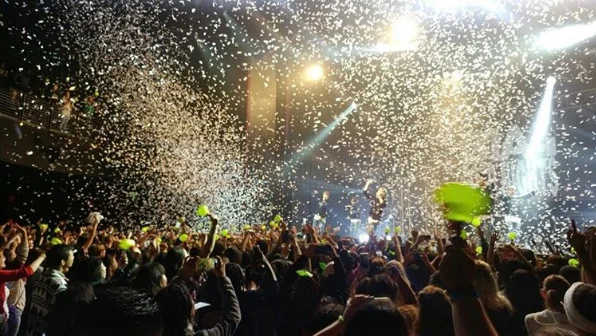
The contemporary landscape of celebrity culture has undergone a radical transformation, evolving from a passive consumer-producer relationship into a dynamic, highly organized system of collective action known as fandom. While the concept of a "fan base" is not new, the digital age has empowered these groups to function as sophisticated social movements capable of influencing international politics, corporate policy, and social justice initiatives. In the realm of global entertainment, few forces are as potent or as meticulously organized as the K-pop fandom. United by specific "fandom names"—such as BTS’s ARMY, Stray Kids’ STAY, or BLACKPINK’s BLINK—these groups have transcended their original purpose of supporting musical artists to become significant players in the global sociopolitical arena.
The rise of K-pop fandom as a social force is inextricably linked to the dual engines of globalization and digital connectivity. As physical borders become less relevant to the consumption of culture, the shared human experience of music has created a borderless community. This community, however, does not merely consume; it acts. Through the lens of collectivism—a cultural framework prevalent in South Korea that prioritizes the goals of the group over the individual—K-pop fandoms have demonstrated a unique ability to synthesize millions of individual efforts into singular, tangible results. This phenomenon has raised critical questions regarding the nature of modern activism, the ethics of digital mobilization, and the ultimate goal of fandom-led movements.
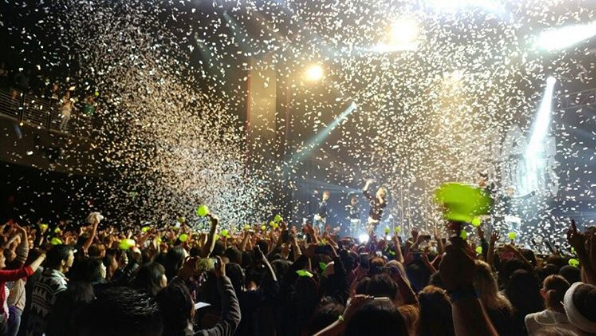
Defining the Fandom as a Social Movement
To understand the power of K-pop fans, one must first define what constitutes a social movement. In sociological terms, a social movement is a form of collective action involving informal networks of individuals and groups who, based on a shared collective identity, engage in conflict with clearly identified opponents to achieve a common goal. K-pop fandoms fit this definition with remarkable precision. They are composed of diverse demographics spanning different races, ages, genders, and sexualities, yet they operate with a level of coordination often seen in professional political campaigns.
The shift from "fan" to "activist" is facilitated by the digital infrastructure of platforms like Twitter, TikTok, and Discord. These platforms allow for the rapid dissemination of information and the synchronization of efforts across time zones. Whether the goal is to win a Billboard Music Award through mass voting, organize a worldwide charity drive for an idol’s birthday, or drown out political rhetoric, the mechanisms remain the same: high-speed communication, decentralized leadership, and a fierce commitment to the collective identity.
The Role of Globalization and the Hallyu Wave
The efficacy of K-pop fandoms is a direct byproduct of "Hallyu," or the Korean Wave. Over the past two decades, South Korea has successfully exported its cultural products, ranging from cinema and skincare to food and music, with unprecedented success. The globalization of Korean culture reached a fever pitch in the early 2020s, marked by historic milestones such as Bong Joon-ho’s Parasite winning Best Picture at the 92nd Academy Awards and Youn Yuh-jung winning Best Supporting Actress for Minari in 2021.
In the music industry, BTS has become a global juggernaut, selling out stadiums from London to Los Angeles and becoming the first Korean act to receive a Grammy nomination. This global reach is not accidental; it is the result of a deliberate marketing strategy that leverages shareability. The "reaction video" genre, exemplified by channels like ReacttotheK, which analyzes the musicality of K-pop, has created a feedback loop that introduces the genre to new audiences, such as classical musicians or academic students. This constant exchange of ideas ensures that K-pop remains a permanent fixture in Western media, with major publications like Vogue and Refinery29 providing regular coverage.
A Chronology of Fandom Activism: 2020-2021
The year 2020 served as a watershed moment for K-pop fandom activism, as the movement shifted its focus from the entertainment industry to global civil rights and political interference.
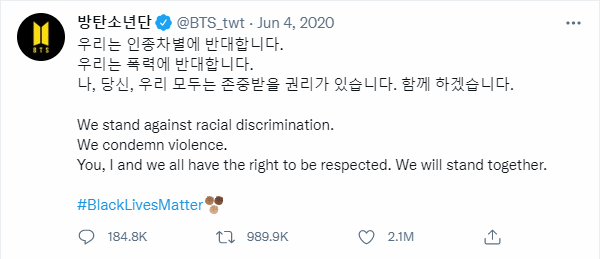
June 4, 2020: In the wake of the murder of George Floyd and the subsequent global protests, BTS and their label, Big Hit Entertainment (now HYBE), announced a $1 million donation to the Black Lives Matter (BLM) movement.
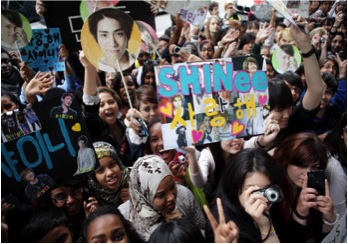
June 5–8, 2020: Following the announcement, the BTS fan base, ARMY, launched the #MatchaMillion campaign. Organized by the fan-led charity group One in an ARMY, the movement utilized social media to track donations from fans worldwide. In less than 24 hours, the group reported they had raised over $817,000. By June 7, the total exceeded $1 million, effectively matching the artist’s contribution through thousands of small-scale donations.
June 20, 2020: K-pop fans and TikTok users were credited with disrupting a campaign rally for then-President Donald Trump in Tulsa, Oklahoma. Fans reportedly registered for hundreds of thousands of free tickets with no intention of attending. While the campaign denied the impact of the digital prank, the rally saw a significantly lower turnout than expected, with roughly 6,200 attendees in a 19,000-seat arena.
Spring 2021: The power of the collective was turned inward during a wave of school bullying allegations involving several K-pop idols. In the case of Stray Kids’ member Hyunjin, the fandom (STAY) organized massive hashtag campaigns to signal their continued support to the management company, JYP Entertainment. This demonstrated the fandom’s ability to act as a lobbying group, influencing how corporations handle scandals involving their talent.

The Mechanics of Collectivism and Digital Weaponization
The success of these movements is rooted in the collectivist nature of K-pop culture. Unlike Western celebrity culture, which often focuses on the individual "star" and their personal brand, K-pop emphasizes the relationship between the artist and the fan. This relationship is marketed as a partnership, where the success of the artist is a direct reflection of the hard work of the fans.
However, this same collectivism has a darker application. The "common goal" of protecting the idol can lead to the silencing of dissenting voices within the community. This is most frequently observed in "search clearing" campaigns. When an idol is involved in a controversy—ranging from cultural appropriation to dating rumors—fans will flood search engines and social media with positive keywords and images. While fans view this as a protective measure, critics argue it is a form of information suppression that prevents honest discourse about an artist’s actions.
Furthermore, minority fans, particularly Black K-pop fans, have frequently reported "dogpiling" and harassment when they raise concerns about cultural insensitivity. In these instances, the collective power of the fandom is weaponized against its own members to maintain the perceived purity of the idol’s image. This creates a paradox where a movement that can raise $1 million for social justice simultaneously marginalizes the very people that justice is meant to protect.
Analysis of Implications and Broader Impact
The evolution of K-pop fandoms into social movements has significant implications for the future of digital activism and the entertainment industry.
First, it proves that decentralized, internet-based groups can achieve significant financial and political milestones in extremely short timeframes. The #MatchaMillion campaign is now a case study for non-profits on how to mobilize "micro-donors" effectively. Traditional activist organizations are increasingly looking toward fandom structures to understand how to maintain high levels of engagement and "brand loyalty" among younger demographics.
Second, the "Tulsa Rally" incident highlights the potential for fandoms to interfere in the political processes of foreign nations. This raises complex questions about digital sovereignty and the ethics of non-citizens influencing domestic political events through coordinated online action.

Third, for the K-pop industry itself, the power of the fandom has created a double-edged sword. While labels benefit from the unpaid labor of fans who market their artists and boost sales, they are also beholden to the fandom’s demands. If a fandom decides a label is mistreating an artist, they can organize boycotts that have immediate financial consequences. The relationship is no longer one of consumer and provider, but one of mutual—and often tense—dependence.
Conclusion: Personhood over Justice
While K-pop fandoms share the structural characteristics of social movements, their ultimate objective remains distinct from traditional activism. A social movement is typically defined by its pursuit of systemic change or the advancement of a specific ideology. In contrast, the primary goal of a fandom-based movement is the protection and elevation of a specific person: the idol.
This distinction is crucial. When the goals of social justice and the interests of the idol align—as they did during the BLM donations—the results are formidable. However, when those interests clash, the fandom almost invariably prioritizes the idol. Therefore, while K-pop fans have proven they can be powerful allies in social and political causes, their involvement is often conditional.
Ultimately, the phenomenon of K-pop fandom as a social movement illustrates the immense potential of globalized, digital collectivism. It is a force that can disrupt political rallies, fund global movements, and shift cultural narratives. Yet, as long as the movement is centered on the cult of personality rather than a fixed set of ethical principles, its impact will remain as volatile and unpredictable as the digital landscape that birthed it. The power of the "ARMY" or the "STAY" is undeniable, but it is a power that serves the star first and the cause second.