
The global proliferation of South Korean popular music, widely known as K-pop, has transformed from a regional subculture into a dominant force in the international entertainment industry, driven largely by a unique and highly structured fan experience. This phenomenon, often referred to as the "Hallyu Wave," is characterized by a distinct psychological and social trajectory that fans navigate as they move from casual observers to deeply invested participants in digital and physical fan communities. Understanding this progression requires an analysis of the industry’s marketing strategies, the role of digital platforms, and the parasocial relationships that define the modern consumer’s journey.
The Mechanism of Modern Fandom
K-pop’s global success is not merely the result of catchy melodies but is rooted in a meticulously engineered ecosystem designed to foster long-term loyalty. Industry analysts categorize the typical fan journey into several distinct phases, beginning with initial exposure—often characterized by skepticism or sensory overload—and culminating in either a sustainable, balanced engagement or a complete withdrawal from the subculture. This lifecycle is influenced by the aggressive release schedules of major entertainment agencies such as SM Entertainment, YG Entertainment, and JYP Entertainment, which utilize "comeback" cycles to maintain constant consumer attention.
Phase I: Initial Exposure and the Barrier of Skepticism
For many international consumers, the first encounter with K-pop occurs through digital discovery on platforms like YouTube or TikTok. This "Introductory Stage" is frequently marked by a sense of cultural dissonance. The high-production value, characterized by "neon box sets" and "gender-bending aesthetics," can be overwhelming for those accustomed to Western musical norms.
Historically, tracks like Girls’ Generation’s "I Got a Boy" (2013) served as a catalyst for this stage. The song’s experimental structure—a "mishmash" of various genres—initially confused many listeners but eventually became a hallmark of the genre’s willingness to push creative boundaries. During this phase, potential fans often view the genre as "gimmicky," a perception that the industry actively works to overcome through the sheer precision of choreography and visual storytelling.
Phase II: The Investigative Transition
The transition from observer to participant begins during the "Investigative Stage." This is a period of algorithmic reinforcement where curiosity leads to targeted searches. According to data from the Korea Creative Content Agency (KOCCA), the average K-pop consumer spends significantly more time on video-sharing platforms than fans of other genres.
The investigative phase is often triggered by a single "hook"—a specific member’s visual appeal or a particularly impressive dance practice video. As the consumer explores the back catalogs of groups like SHINee or VIXX, the initial skepticism fades, replaced by an appreciation for the rigorous training and technical proficiency of the idols. This stage marks the beginning of the "rabbit hole" effect, where the abundance of variety show content and behind-the-scenes footage begins to build a parasocial foundation.
Phase III: The Peak of Engagement and Parasocial Integration
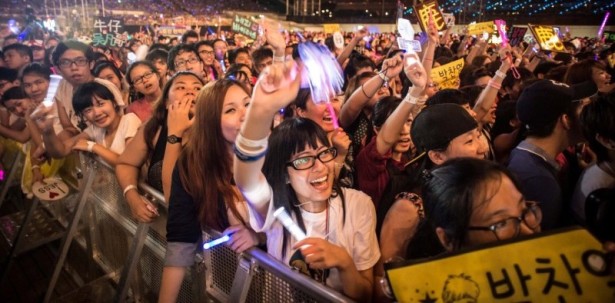
The "Obsessive Stage" represents the zenith of fan involvement. At this point, the consumer is no longer just a listener; they are a "stan." This period is defined by the adoption of industry-specific terminology, such as identifying a "bias" (a favorite member) and navigating the emotional volatility caused by "bias wreckers" (members who challenge that preference).

During this phase, the fan’s daily schedule often revolves around the idol’s activities. The economic impact of this stage is substantial. Data indicates that "hardcore" fans are responsible for the majority of physical album sales, often purchasing multiple copies to support their favorite group’s chart positions or to obtain collectible "photocards." This stage also involves a high degree of social labor, as fans engage in "streaming parties" and digital advocacy on Twitter and Instagram to ensure their chosen group wins a "Daesang" (Grand Prize) at major year-end award ceremonies.
Phase IV: The Psychological Toll and the Denial Cycle
As engagement reaches its peak, many fans enter a "Denial Stage." This is a defensive psychological state where the individual refuses to acknowledge the extent to which the fandom has impacted their personal and professional lives. The repetitive nature of the consumption—such as listening to a single track like SHINee’s "Ring Ding Dong" hundreds of times—becomes a normalized behavior within the fan’s digital echo chamber.
Sociologists studying fandom culture note that this stage is often accompanied by a withdrawal from non-fan social circles. The fan may prioritize digital interactions with other members of the "fandom" over real-world responsibilities, leading to a period of "digital burnout" that eventually necessitates a shift in behavior.
Phase V: Crisis, Acknowledgement, and Rehabilitation
The "Acknowledgement Stage" usually follows a period of exhaustion or a specific negative event within the fandom, such as a member leaving a group or a dating "scandal." These events force the fan to confront the reality of their emotional dependence on individuals they have never met.

The subsequent "Rehabilitation Stage" involves a conscious effort to de-escalate engagement. This often includes:
- Digital Hiatus: Announcing a "semi-hiatus" on social media platforms.
- Broadening Interests: Re-engaging with other musical genres or hobbies.
- Sleep Hygiene: Resisting the urge to stay awake for late-night Korean livestreams.
However, the industry is built to prevent this withdrawal. The constant influx of new content, "teaser" images, and anniversary events often leads to the "Relapse Stage," where a fan returns to their previous levels of devotion, sometimes with even greater intensity to compensate for the "lost time."
The Final Divergence: Balance vs. Renouncement
Long-term engagement with K-pop eventually leads to one of two outcomes: the "Balanced Stage" or "Renouncement."
In the Balanced Stage, the fan achieves a sustainable relationship with the genre. They continue to support the music and the artists but within healthy boundaries. They no longer view a group’s lack of a "Daesang" as a personal failure and can enjoy the content without it disrupting their career or education.

Conversely, Renouncement occurs when a fan completely outgrows the interest. This is often seen in older demographics who find that the "idol culture" no longer aligns with their life stage. For others, the commercialization of the industry or the toxic nature of online fan wars becomes a permanent deterrent, leading them to leave the community entirely.
Broader Impact and Industry Implications
The trajectory of the K-pop fan has significant implications for global marketing and the future of the music industry. The "K-pop model" of fan engagement is now being studied and replicated by Western artists and brands who seek to cultivate similar levels of loyalty.
Economic Data and Market Trends:
According to the 2023 Global Music Report by the IFPI, the South Korean music market saw a 10.3% growth in revenue, driven largely by the intense engagement of domestic and international fanbases. The rise of groups like BTS and Blackpink has demonstrated that the "fandom stages" are not limited by geography or language. The BTS "ARMY," for instance, has evolved into a sophisticated global organization capable of mobilizing for both commercial success and social activism.
The Role of Entertainment Agencies:
Agencies have become more adept at managing these stages. By offering "membership" programs and exclusive communication apps like Weverse and Bubble, they provide a structured environment for the "Obsessive Stage," while also attempting to mitigate fan burnout by diversifying the types of content available.

Conclusion: A New Paradigm of Consumption
The evolution of a K-pop fan from a confused observer to a dedicated devotee is a testament to the power of modern cultural exports. While the journey is often framed through the lens of obsession, it also represents a significant form of global community building and cultural exchange. As the Hallyu Wave continues to evolve, the stages of fandom will likely become even more integrated with emerging technologies like the metaverse and AI-driven idols, further blurring the lines between the consumer and the creator.
Ultimately, the K-pop fandom experience serves as a microcosm of the modern digital age—a world where music is the entry point, but community, identity, and the psychological journey of the "stan" are the true products being consumed. Whether a fan reaches a state of balance or eventually renounces their interest, the impact of their participation remains a vital component of the 21st-century cultural landscape.