The Intersection of K-pop Fandom and Social Activism Power Globalization and the Paradox of Collective Action
Article Editorial Team
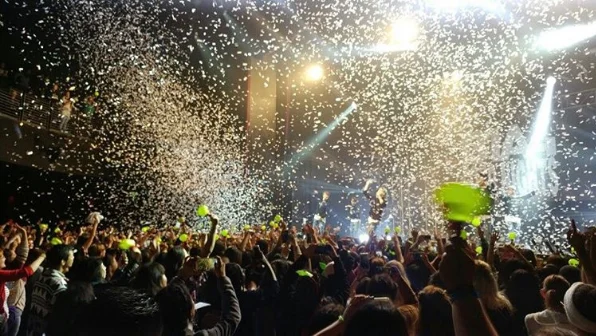
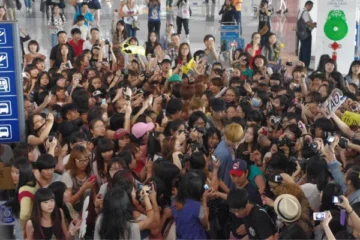
The traditional concept of a fan has evolved from a passive consumer of entertainment into a highly organized, digitally savvy, and politically potent force. In the contemporary era of celebrity culture, major figures in music, gaming, and social media influence have amassed global fan bases that transcend demographic boundaries, united under specific "fandom names." These groups, once dismissed as mere enthusiasts, have transformed into sophisticated networks capable of mobilizing millions of people across the globe. While the primary objective of any fandom is to support their chosen celebrity, the tools of globalization and social media have allowed these groups to pivot toward broader social and political movements. This phenomenon is most visible within the sphere of K-pop, where the intersection of collective identity and digital organization has created a new paradigm for social activism, though not without significant ethical complexities.
As the world becomes increasingly interconnected, physical borders no longer limit cultural influence. Globalization has become a fundamental factor in modern human experience, facilitating the exchange of ideas and cultural ideals across the planet. This global integration allows different cultures to gain traction in foreign markets, a process exemplified by the "Hallyu" or Korean Wave. In the United States and Europe, South Korean cultural exports have achieved unprecedented success. This includes the cinematic achievements of Bong Joon-ho’s Parasite, which won Best Picture at the 2020 Academy Awards, and Youn Yuh-jung’s historic Best Supporting Actress win for Minari in 2021. Beyond film, the rise of Korean cuisine, fashion, and beauty products has solidified South Korea’s position as a global cultural powerhouse. However, it is K-pop—headlined by groups like BTS, BLACKPINK, and Stray Kids—that serves as the most prominent vehicle for this globalized influence, leveraging digital platforms to build a unified, international community.
The Mechanics of Fandom as a Social Movement
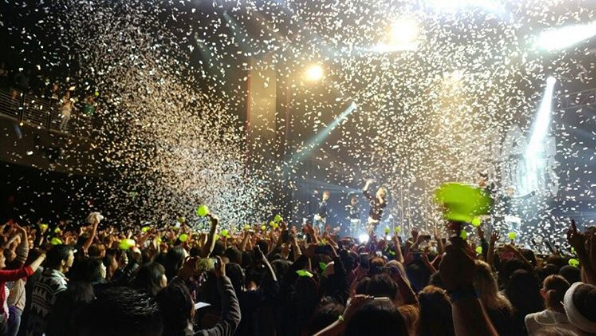
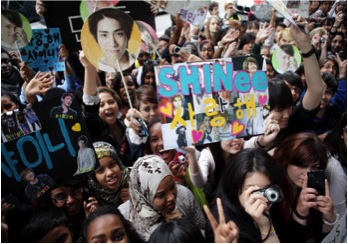
To understand the power of K-pop fandoms, one must first define the nature of a social movement. Sociologically, social movements are forms of collective action that span various networks and interactions between groups and individuals. These movements work toward a common goal that emerges from a shared collective identity. K-pop fandoms fit this definition precisely. They are diverse groups spanning differences in race, age, gender, and sexuality, yet they operate with a singular focus: the success and protection of their chosen artists.
The efficiency of these fandoms is rooted in the concept of collectivism, a cultural value prominent in South Korea and many other Asian nations. Unlike Western individualism, which prioritizes the needs and goals of the self, collectivism emphasizes the well-being of the community. In the context of K-pop, this manifests as a highly disciplined approach to support. Fans synthesize millions of individual efforts—ranging from mass-voting on award shows to coordinated album purchasing—into a singular, tangible result. This collectivist mindset, combined with the real-time communication enabled by social media, allows fandoms to function as high-speed engines of mobilization.
A Chronology of K-pop Political Mobilization
The year 2020 served as a turning point for K-pop fandoms, as their organizational power moved from the entertainment charts into the political arena. The following timeline illustrates the rapid escalation of fan-led activism:
June 4, 2020: Amid the height of the Black Lives Matter (BLM) protests following the death of George Floyd, BTS and their management company, Big Hit Entertainment (now HYBE), announced a $1 million donation to the BLM movement. The announcement was met with immediate action from the group’s global fan base, known as ARMY.
June 5–7, 2020: Within 24 hours of the donation announcement, the fan-led organization "One in an ARMY" launched the #MatchAMillion campaign. Using a dedicated donation portal, fans across the globe contributed in small increments. By June 7, the organizers announced that they had successfully matched the $1 million donation, demonstrating a level of financial mobilization rarely seen outside of professional political campaigns.
June 2020: Simultaneously, K-pop fans began utilizing their digital presence to disrupt white supremacist rhetoric. When the hashtag #WhiteLivesMatter began trending on Twitter, K-pop fans "hijacked" the tag by flooding it with thousands of "fancams"—short video clips of idols performing. This effectively drowned out racist content and rendered the hashtag useless for its original intended purpose.
June 20, 2020: K-pop fans and TikTok users claimed credit for disrupting a campaign rally for then-President Donald Trump in Tulsa, Oklahoma. Thousands of fans reportedly registered for free tickets to the event with no intention of attending. While the Trump campaign denied that this affected attendance, the rally saw a significantly lower turnout than expected, with roughly 6,200 attendees in a 19,000-seat arena.
The Role of Digital Marketing and Content Creation
The globalization of K-pop is not accidental; it is bolstered by sophisticated marketing strategies designed for maximum shareability. A key component of this is the "reaction video" genre. Channels such as "ReacttotheK" have built entire platforms by analyzing the musicality and production of K-pop songs, often involving classical musicians or industry professionals. This creates a feedback loop where K-pop is introduced to niche demographics, such as students of music theory, further expanding the reach of the genre.
By creating content that is visually arresting and emotionally engaging, K-pop agencies provide fans with the raw materials needed to maintain a constant digital presence. This visibility is the currency of the modern fandom. When a group releases a new music video, fans coordinate "streaming parties" to ensure the video breaks records on YouTube and Spotify. This same infrastructure is what allows fans to pivot to social justice causes in a matter of hours.

The Paradox of Fandom: Support vs. Weaponization
While the positive impacts of K-pop activism are well-documented, the same mechanisms of collective action can be weaponized to silence dissent or obscure accountability. The primary goal of a fandom is to protect the idol, and this objective can sometimes clash with the principles of social justice the fans claim to uphold.
One prevalent issue is the silencing of minority voices within the fandom. Black K-pop fans have frequently reported negative experiences when calling out instances of cultural appropriation or the use of racial slurs by idols. When a fan voices a critique, they are often met with "dogpiling"—a form of digital harassment where hundreds or thousands of other fans attack the critic to defend the idol’s reputation.
Furthermore, fandoms often engage in "clearing the searches." This involves fans flooding search engines and social media platforms with positive keywords and phrases associated with an idol to drown out news of a scandal or controversy. For example, during the wave of bullying allegations that hit the Korean entertainment industry in early 2021, fans of various groups utilized these tactics to protect the images of their favorite members. In the case of Stray Kids’ Hyunjin, the STAY fandom leveraged massive hashtag campaigns to show unwavering support, effectively pressuring the management company to navigate the scandal in a way that prioritized the idol’s return to activities.
Implications and Future Outlook
The rise of K-pop fandoms as social movements represents a significant shift in the digital landscape. It proves that decentralized, global networks can achieve tangible political and social outcomes through sheer numbers and coordination. However, the internal contradictions of these groups raise important questions about the nature of modern activism.
Data from social media analytics suggests that while K-pop fans are capable of incredible acts of philanthropy and political disruption, their engagement is often tied to the "brand" of their idol. This suggests that the activism is, in part, an extension of the parasocial relationship between the fan and the artist. When the artist supports a cause, the fandom follows suit as a way of expressing loyalty.
From a journalistic perspective, it is essential to distinguish between genuine social activism and brand protection. Social movements are traditionally defined by their commitment to a systemic cause or policy change. In K-pop fandoms, the "cause" is frequently a person. This makes the movement inherently volatile; the same power used to fund a million-dollar charity drive can be used to harass a critic or bury a legitimate grievance.

In conclusion, K-pop fandoms have redefined the boundaries of what it means to be a "fan" in the 21st century. They are the ultimate product of globalization—a blend of Korean collectivist efficiency and Western digital platforms. While they have proven their ability to act as a force for good, the underlying motivation remains the idol. As these digital communities continue to grow, the world must grapple with the reality that one of the most powerful social movements of the modern era is one where the ultimate goal is not necessarily justice, but the enduring success of a pop star.
Related News