TWS’s Dohoon Incident Highlights Dangers of Misinformation and the Power of Fandom in K-Pop
Article Editorial Team
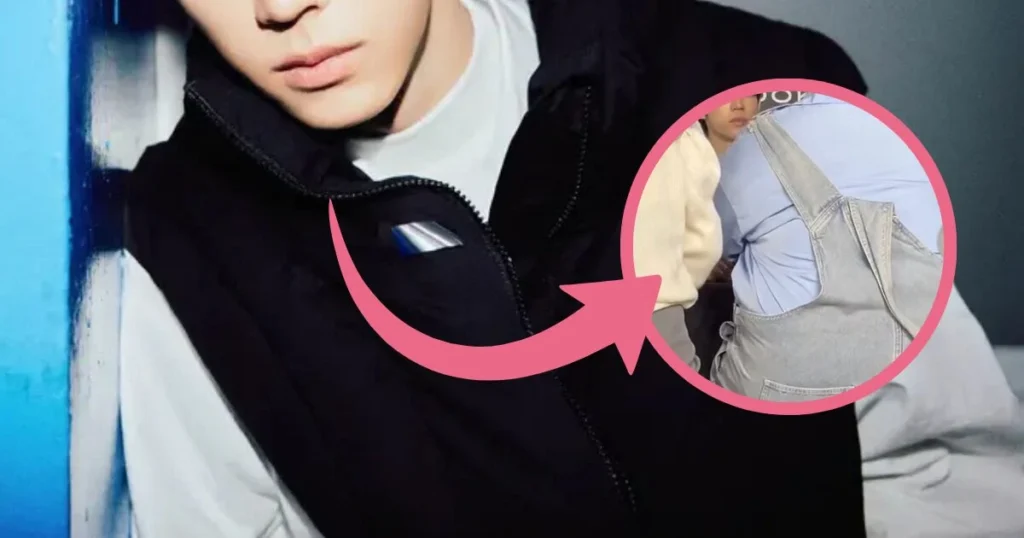
A recent online controversy surrounding TWS member Dohoon has swiftly brought into sharp focus the pervasive issues of online misinformation, cyberbullying, and body shaming within the K-Pop landscape, while simultaneously showcasing the formidable power of dedicated fan communities in defending artists and fellow supporters. The incident, which unfolded rapidly on social media platforms, began with a deceptively cropped image from a fan-signing event and escalated into a wider discussion about media literacy and ethical online conduct.
The Genesis of the Controversy: A Decontextualized Image
The controversy first gained traction on April 16, 2026, when a post featuring TWS’s Dohoon began circulating widely across social media, particularly on X (formerly Twitter). The post in question highlighted a screenshot taken from a fan-signing event, showing Dohoon looking intently at a fan seated in front of him. Crucially, the accompanying text, written in Korean, maliciously mocked the fan’s weight, deliberately misinterpreting Dohoon’s expression as one of shock or even disgust. The viral tweet, translated, read: "An unbelievable expression… but don’t panic. But honestly, no joke—it feels like I could be eaten in one bite." This inflammatory caption, paired with the isolated image, created a narrative designed to generate negative attention and shame both the idol and the fan.
Fan-signing events are a cornerstone of K-Pop fan culture, offering intimate interactions between idols and their supporters. These events are meticulously documented by attendees, often resulting in countless photos and videos shared online. While intended to foster connection, this constant digital capture also creates fertile ground for decontextualization, where a single frame or a short clip can be easily manipulated to convey a false narrative, as was the case with the Dohoon incident. The event itself was confirmed to be from a previous promotional cycle, predating TWS’s highly anticipated album release scheduled for April 27, further underscoring that the image had been deliberately unearthed and weaponized for online harassment.
The Full Picture: Context Overcomes Malice
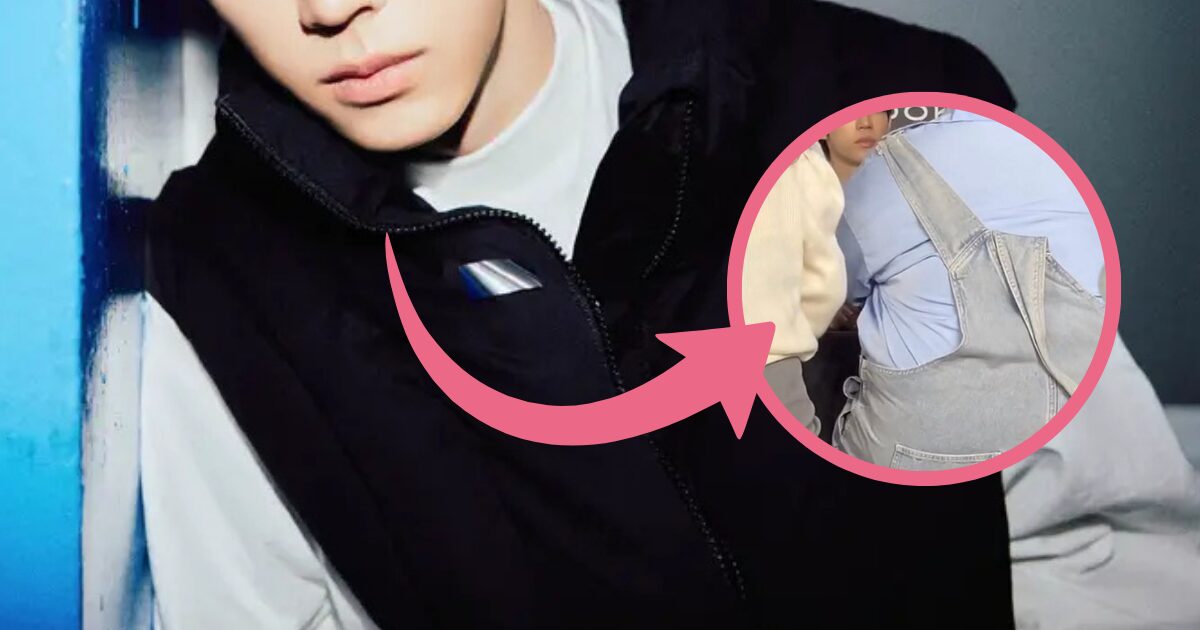
The malicious intent of the original post was quickly exposed when concerned fans, privy to the full video of the interaction, began sharing the complete footage. The video revealed a starkly different scenario than the one implied by the cropped screenshot. In the extended clips, Dohoon is seen engaging with the fan in a manner consistent with his interactions with other attendees at the event. He is shown actively listening, maintaining eye contact, and conversing naturally. The "shocked" or "disgusted" expression depicted in the viral screenshot was, in reality, a fleeting moment of intense focus as he attentively absorbed the fan’s words.
This swift debunking by the fandom underscored a critical lesson in online media consumption: context is paramount. A single frame, devoid of its surrounding moments, can be easily distorted to create a narrative that is entirely false. The full video demonstrated Dohoon’s professional and respectful demeanor, completely nullifying the baseless accusations of the initial tweet. This rapid corrective action by the fan base prevented the misinformation from festering and causing more significant damage to Dohoon’s reputation and, more importantly, to the fan who was subjected to unwarranted scrutiny and body shaming.
TWS and the Scrutiny of Rookie Idols
TWS, a relatively new group from Pledis Entertainment, the agency behind industry giants like SEVENTEEN, debuted earlier this year and quickly garnered attention for their fresh concept and musical style. As a rookie group, TWS members, including Dohoon, are particularly susceptible to intense public scrutiny. Every action, every expression, every interaction is meticulously observed and often amplified by both fans and detractors alike. This level of constant visibility, while integral to building a fan base, also exposes artists to the vulnerabilities of online culture, where misinterpretations can spread like wildfire.
The incident involving Dohoon is not an isolated case but rather a recurring pattern in the K-Pop industry, where young idols, still navigating their burgeoning careers, frequently become targets of online attacks. These attacks often stem from competitive fan dynamics, anti-fan sentiments, or simply the desire for virality at the expense of an individual’s reputation. For groups like TWS, who are in the crucial early stages of establishing their public image, such incidents can be particularly challenging, requiring swift and effective management from both the artists and their agencies.
The Resolute Defense: Fandom as a Protective Shield

In the wake of the misleading post, TWS’s fandom mobilized with remarkable speed and unity. Fans not only shared the full video evidence but also vocally condemned the original poster’s malicious intentions and the rampant body shaming directed at the fan. Their defense was multi-faceted, addressing both the misrepresentation of Dohoon and the harmful attacks on the fan’s physical appearance.
One fan, @DdandelionR_, highlighted Dohoon’s characteristic demeanor during interactions: "Dohoon is known as a person who, when interacting directly, will stare into the eyes of the person he is talking to intently with eyes full of sparkle and curiosity. Dohoon stares at Sai with full focus and sometimes looks adorable like the ‘🥺’ emoji." This tweet provided crucial context about Dohoon’s typical interaction style, further demonstrating that his expression was not unusual but rather a genuine reflection of his engagement.
Another fan, @yudaengwish, directly challenged the bullies: "you guys are so mean. i saw the video and it was normal. dohoon doesn’t look rude either. you guys are just bullies and fat shaming fck." This blunt statement underscored the emotional impact of such malicious posts and called out the underlying issue of body shaming. Similarly, @wonwithyu added, "Bodyshamers go to hell. Don’t use Dohoon to write these insulting tweets," directly linking the misrepresentation of the idol to the act of body shaming.
This collective response from the fandom served several vital functions:
- Correction of Misinformation: By flooding timelines with the full video, they actively countered the false narrative.
- Protection of the Artist: They defended Dohoon’s character and professional conduct.
- Solidarity with the Fan: They stood up against the cyberbullying and body shaming directed at an innocent individual.
- Setting a Precedent: Their swift action sent a clear message that such malicious behavior would not be tolerated.
The proactive nature of K-Pop fandoms in self-regulating and defending their artists and communities is a unique aspect of this global phenomenon. These incidents demonstrate that while social media can be a breeding ground for negativity, it also empowers communities to challenge and correct falsehoods effectively.
Broader Implications: Online Ethics and Mental Well-being
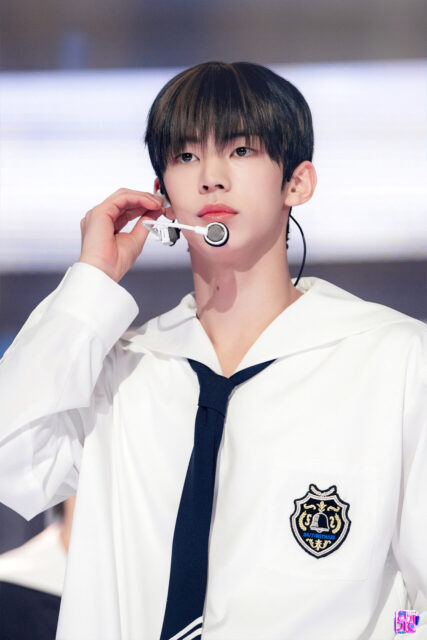
The Dohoon incident, while resolved relatively quickly, serves as a poignant reminder of several critical issues prevalent in the digital age:
- The Peril of Decontextualization: The ease with which images and videos can be taken out of context and weaponized for malicious purposes is a constant threat. It highlights the importance of critical thinking and media literacy for all online users.
- Cyberbullying and Body Shaming: The incident brought to light the harsh reality of cyberbullying, particularly body shaming, which continues to plague online spaces. Such attacks can have severe psychological impacts on victims, regardless of whether they are public figures or private individuals.
- The Responsibility of Content Creators: The original poster’s deliberate act of misrepresentation and hateful commentary underscores the ethical responsibility that comes with sharing content online. The pursuit of virality should not supersede basic human decency and respect.
- Agency Responses and Fan Engagement: While Pledis Entertainment did not issue an official statement, the swift and effective response from the fandom mitigated the need for direct intervention. This highlights a dynamic where agencies often monitor online sentiment and may choose to let fan communities handle initial debunking if they are doing so effectively, stepping in only if the situation escalates or persists. Agencies typically have robust teams dedicated to protecting their artists’ images and addressing malicious rumors, often working to report and remove harmful content.
Looking Ahead for TWS
As TWS prepares for their upcoming album release on April 27, this incident, while challenging, has arguably reinforced the loyalty and protective instincts of their burgeoning fan base. The group’s agency, Pledis Entertainment, will undoubtedly continue to monitor online activities closely, understanding that the path of a rookie group in the highly competitive K-Pop industry is fraught with both opportunities and potential pitfalls.
The incident underscores that while the digital landscape offers unparalleled avenues for connection and promotion, it also demands constant vigilance. For artists like Dohoon, navigating this environment requires resilience, while for fans, it necessitates a commitment to responsible online engagement and a willingness to stand up against injustice. The rapid debunking of the Dohoon controversy is a testament to the power of a well-informed and unified fandom, demonstrating that truth, when supported by evidence and community, can indeed triumph over malicious intent. The event stands as a crucial case study in the ongoing battle for integrity and respect in the fast-paced world of K-Pop and online media.
Related News