The Intersection of Digital Media and Hallyu Fandom Examining the Analytical Shift in K-pop Consumption
Article Editorial Team

The global proliferation of South Korean popular culture, known as the Hallyu Wave, has fundamentally altered the landscape of international entertainment and fan engagement. Central to this evolution is the role of digital media platforms and independent critical outlets that provide a space for fans to transition from passive consumers to active commentators. This shift is exemplified by the internal discourse within prominent Hallyu-focused publications, where contributors and readers alike navigate the complex boundaries between personal fandom and professional analysis. As the industry continues to expand, the relationship between the consumer and the "idol" product is being redefined through a lens of critical thinking, cultural comparison, and business transparency.
The Transition from Passive Consumption to Critical Analysis
In the early stages of the Hallyu Wave, fan participation was largely defined by unwavering support and the consumption of curated content provided by major entertainment agencies such as SM, YG, and JYP Entertainment. However, the emergence of analytical platforms like Seoulbeats has introduced a new paradigm. Contributors to the field report a significant shift in their perception of K-pop, moving away from "fervor-based" engagement toward a more detached, objective viewpoint. This detachment is not necessarily a sign of waning interest but rather a byproduct of constant exposure to the industry’s inner workings and the necessity of maintaining a journalistic standard.

For many participants in this digital space, the act of writing critically about K-pop serves as a substitute for traditional fandom immersion. When individuals engage with a community of like-minded analysts, the need to participate in specific, often volatile, fan clubs diminishes. This professionalization of the fan experience allows for a multifaceted view of the industry. Instead of viewing K-pop through the singular lens of "stanning" a particular group, contributors find themselves appreciating the sheer volume of creative output and the technical proficiency required to maintain the industry’s rigorous standards.
Chronology of the Hallyu Wave and Digital Media Growth
The evolution of K-pop journalism mirrors the chronological milestones of the Hallyu Wave itself. To understand the current state of critical fan engagement, one must examine the timeline of Korea’s cultural export:
- The Early 2000s (Hallyu 1.0): The initial wave was driven primarily by Korean dramas (K-dramas) in East and Southeast Asia. Fandom was localized and information was scarce for Western audiences.
- The Late 2000s (Hallyu 2.0): The rise of social media and YouTube allowed K-pop groups like Girls’ Generation, Big Bang, and Wonder Girls to reach a global audience. This era saw the birth of the first major English-language K-pop news sites, which initially focused on translating Korean news snippets.
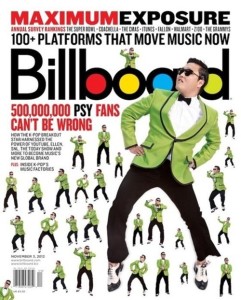
- 2011–2012 (The "Psy" Breakthrough): The viral success of Psy’s "Gangnam Style" in 2012 acted as a catalyst for mainstream Western recognition. During this period, the demand for deeper content grew. Fans were no longer satisfied with mere news updates; they sought explanations for the cultural nuances, the industry’s "dark side," and the socio-economic factors driving the music.
- 2013–Present (The Analytical Era): By 2013, platforms had matured into hubs for cultural exposés and critical reviews. This period marked the height of the "Roundtable" format, where diverse voices debated the ethics of the industry, the "Idol Code," and the sustainability of the Hallyu Wave in the West.
Supporting Data: The Scale of the K-pop Industry in 2013
The necessity for critical analysis is underscored by the massive scale of the industry during the early 2010s. According to data from the Korea Creative Content Agency (KOCCA), the export value of K-pop grew by nearly 500% between 2008 and 2012. By 2013, the industry was producing dozens of new "idol" groups annually, creating a saturated market that required gatekeepers and critics to help audiences navigate the "mediocre" versus the "meritocratic" releases.
The sheer volume of content—ranging from weekly music shows like M! Countdown to variety show appearances and "V-Live" style behind-the-scenes content—created a demand for vigilant watchdogs. Analysts noted that the "universally decent standard" of dancing and singing across the board made it difficult for the average consumer to distinguish between high-quality production and generic "factory-made" acts. This environment fostered a new breed of fan: the critical consumer who values composition, stage charisma, and corporate transparency over idol worship.
The Business of Idoldom and the Corporate Mystery
One of the most significant impacts of long-term engagement with K-pop media is an increased awareness of the music industry as a business. Contributors often highlight the "corporate piece" of K-pop as one of the most intriguing yet least transparent aspects of the Hallyu Wave. Unlike Western music industries, where artist autonomy is frequently touted (even if performative), the K-pop model is built on a foundation of intense trainee systems and highly managed public personas.
The "Idol Code"—a set of unspoken and often contractual rules regarding dating, behavior, and public appearances—remains a central point of contention and fascination for critics. The mystery surrounding the lack of transparency in entertainment agencies drives much of the analytical discourse. This includes the exploration of "slave contracts," the financial management of groups, and the strategic use of media to maintain a polished image. For those writing in the field, the goal is often to "unravel" these complexities, providing readers with a more realistic understanding of the sacrifices made by performers.

Social Implications and the "Idol Code"
The shift toward a more critical perspective has broader implications for how fans view their own societies. By analyzing the functional aspects of the South Korean entertainment system, international fans often find themselves reflecting on their own country’s media and social norms. For instance, the rigid standards of performance and behavior in K-pop can lead to a reevaluation of Western standards of celebrity and "authenticity."
Furthermore, the "netizen" culture—the highly active and often influential community of online commentators in South Korea—serves as a case study for the power of collective fan action. Critics and writers must navigate the "fury" of netizen comments, which can range from constructive feedback to intense vitriol. This interaction forces a realization that preferences and opinions in the Hallyu world are deeply tied to cultural identity, and that part of the critical process is accepting that different viewpoints are not only inevitable but necessary for a healthy discourse.
Official Responses and Industry Sentiment
While major entertainment agencies rarely respond directly to independent critical outlets, the industry’s evolution suggests a tacit acknowledgement of the growing demand for "realism." In recent years, agencies have begun to lean into more "authentic" content, such as documentary-style series that show the hardships of training and the emotional toll of idol life. This shift can be seen as a response to the critical pressure applied by fans and media outlets who demand more than just a "polished sheen."

Logically, it can be inferred that as the Hallyu Wave became a niche but significant part of the global "mainstream," the industry realized that it could no longer rely solely on propaganda-style marketing. The presence of critical sites like Seoulbeats has provided a feedback loop that, while sometimes uncomfortable for agencies, ultimately contributes to the maturation of the genre.
Broader Impact and Future Implications
The long-term impact of critical Hallyu journalism is the creation of a more sophisticated global audience. The transition from "loner" fans to members of a critical community has empowered individuals to use K-pop as a springboard for learning about international business, cultural sociology, and media ethics.
As for the future of the Hallyu Wave, skepticism remains among seasoned analysts regarding its permanence in the Western world. While "Gangnam Style" proved that K-pop could reach the top of the charts, the question of whether it can become a fixed, integrated part of the Western cultural fabric—rather than a recurring novelty—is still being debated. What is certain, however, is that the infrastructure of fandom has changed. The "Seoulbeats campfire" represents a move toward a more intellectualized form of entertainment consumption, where the joy of the music is balanced by the rigors of critical thought.

In conclusion, the impact of being a reader or writer in the K-pop sphere extends far beyond the music itself. it fosters a sense of community, sharpens analytical skills, and provides a window into the complexities of globalized pop culture. Whether the Hallyu Wave continues its upward trajectory or eventually recedes, the legacy of this era will be the transformation of the fan from a mere spectator into a perceptive participant in the global cultural dialogue. Pop culture is fleeting, but the critical tools developed while engaging with it are lasting assets for any consumer of modern media.
Related News