DAY6 Dowoon’s Marriage Rumors Escalate After Close Friend’s Post Sparks Outrage
Article Editorial Team
The Catalyst: From Dating Rumors to Marriage Speculation
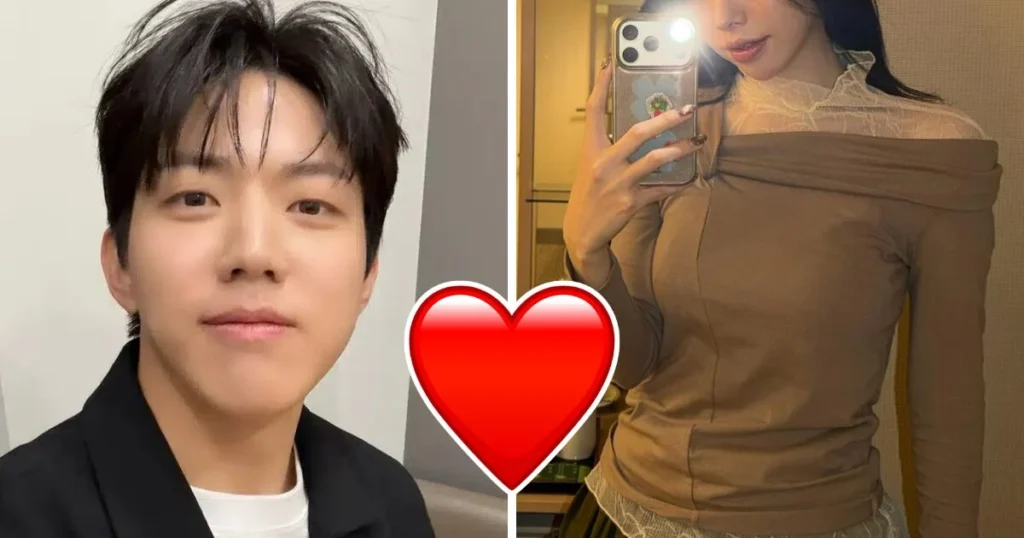
The controversy surrounding Dowoon first gained significant traction in mid-May 2024, when various online communities and social media platforms began circulating "proof" of an alleged relationship between the drummer and a prominent influencer, Yoo Ji Yoo. These initial reports were rooted in typical "lovestagram" observations—a term used by fans to describe similar photos, locations, or items shared by two individuals on Instagram. While dating rumors are a common occurrence in the K-pop industry, the narrative shifted dramatically when unverified eyewitness accounts began to surface.
According to these reports, Dowoon and Yoo Ji Yoo were allegedly spotted at a high-end wedding planning agency in Seoul. These claims transformed the discourse from speculation about a casual relationship into a heated debate over a potential marriage. In the K-pop ecosystem, marriage rumors for active idols, particularly those in groups currently experiencing a peak in domestic and international popularity like DAY6, often result in significant volatility within the fandom.
Chronology of the Controversy
The timeline of the event suggests a rapid escalation that caught both the agency and the fandom off guard:
- Early May 2024: Initial "lovestagram" allegations surface on platforms like Pann and X (formerly Twitter), linking Dowoon to influencer Yoo Ji Yoo.
- May 20, 2024: Alleged eyewitness accounts of the couple visiting a wedding planner go viral, leading to a surge in search engine rankings for both parties.
- May 24, 2024: JYP Entertainment, the management agency for DAY6, issues a brief statement to media outlets stating they have "no comment" regarding the artist’s private life.
- May 25, 2024: A close friend of Dowoon posts a lengthy defense of the idol on the social media platform Threads, addressing the "possessive" nature of fan culture.
- May 26, 2024: The friend’s post triggers a secondary wave of backlash, with fans accusing the acquaintance of being dismissive of the emotional and financial investment made by the "My Day" (DAY6’s fandom) community.
JYP Entertainment’s Tactical Silence
When approached by media outlets for clarification, JYP Entertainment opted for a "no comment" stance. In the context of South Korean celebrity PR, a "no comment" or "it is difficult to confirm because it is the artist’s private life" response is often interpreted by the public in one of two ways. It is either seen as a tacit confirmation—admitting the relationship without wanting to deal with the logistical fallout of a formal announcement—or as a strategic move to protect the artist from further invasive questioning.
However, this lack of a definitive denial has, in this instance, fueled the fire. Fans who were hoping for a clear dismissal of the marriage rumors felt abandoned by the agency’s ambiguity. This silence created a vacuum of information that was quickly filled by speculation, eventually leading to the intervention of a third party: Dowoon’s personal friend.
The Friend’s Intervention: A Polarizing Defense
The escalation reached a tipping point when an individual identified as a close associate of Dowoon shared a provocative post on social media. The post aimed to defend Dowoon’s humanity and criticize what the author described as the "controlling" tendencies of modern fan culture.
The friend wrote, "Whenever dating rumors come out about artists like Yoon Dowoon, I’m reminded that Korean fan culture can sometimes blur the line between support and possession." The post went on to argue that idols are "not content," but "people" who have the right to fall in love and experience loneliness. The author concluded by suggesting that "real fans" should protect artists from a distance rather than attempting to govern their private emotions.
While the sentiment of the post appeared to be one of protection, the execution was met with immediate and fierce criticism from the DAY6 fandom. The backlash was centered on the perception that the friend was "lecturing" the very people responsible for the group’s commercial success.
Fan Sentiment and the "Ownership" Debate
The reaction from the "My Day" fandom illustrates a deep-seated conflict in the K-pop industry regarding the "idol-fan" contract. Many fans took to social media to express that their frustration was not necessarily about the dating itself, but about the lack of transparency and the perceived condescension from the artist’s inner circle.

One fan remarked, "If interest isn’t support… then if we stop caring… would DAY6 even still exist?" This comment highlights the economic reality of the industry: K-pop groups rely heavily on a dedicated fanbase that purchases physical albums, concert tickets, and merchandise. For many supporters, the "loyalty" they provide is viewed as a mutual agreement; in exchange for their devotion, they expect the artist to maintain a certain image or, at the very least, handle their private affairs with discretion.
Critics of the friend’s post argued that by labeling fans as "possessive," the friend disregarded the emotional labor and financial resources fans invest in the group. The consensus among the disgruntled segments of the fandom was that the post was "pouring fuel on the fire," turning a manageable dating rumor into a broader ideological war between the artist’s personal circle and the consumer base.
Broader Context: DAY6’s Resurgence and Group Stability
The timing of this controversy is particularly sensitive for DAY6. Following the completion of the members’ mandatory military services, the group has seen a massive resurgence in popularity. Their recent tracks have achieved high rankings on the MelOn Top 100, and their concerts consistently sell out within minutes.
As the drummer, Dowoon is a vital component of the group’s "youthful" and "relatable" brand. DAY6 has long been marketed as a "trustworthy" band—one that focuses on musicality and authentic storytelling. Marriage rumors, if true, could potentially alter the group’s dynamic in the eyes of the public, particularly if handled poorly by PR representatives or personal acquaintances.
Historical precedents in K-pop suggest that marriage announcements from active male idols can lead to fractured fandoms. Notable examples include Chen of EXO and Bobby of iKON, both of whom faced significant pushback and calls for withdrawal from their respective groups following news of their marriages. While the industry is gradually becoming more progressive regarding idols’ dating lives, the prospect of an active idol marrying remains a contentious issue for many "hardcore" fans who value the fantasy of accessibility.

Analysis of Implications
The Dowoon situation serves as a case study for several emerging trends in the entertainment industry:
- The Risks of "Acquaintance PR": The intervention of friends or family members on social media often bypasses official agency channels, leading to uncoordinated messaging. In this case, the friend’s post was perceived as an unofficial statement that the agency was unable or unwilling to make, which stripped the situation of its professional veneer.
- The Shift in Fandom Demands: Modern fans are increasingly demanding respect as "partners" in an idol’s career rather than just "consumers." When a third party suggests that fans should simply "protect from afar," it clashes with the interactive, high-engagement model that K-pop agencies have spent decades building.
- The Legal and Ethical Boundaries of Speculation: The rapid spread of the "wedding planner" rumor, despite a lack of photographic evidence or official confirmation, underscores the power of unverified digital accounts in the social media age. It raises questions about the responsibility of platforms and the legal protections available to idols facing invasive rumors.
Conclusion: Navigating the Private Lives of Public Figures
As of the current reporting, neither Dowoon nor JYP Entertainment has issued a follow-up statement to address the friend’s post or the continuing marriage rumors. The silence remains a point of contention among fans, some of whom have begun to distance themselves from the group’s promotional activities in protest.
The situation remains fluid, with the potential for further escalation if more "evidence" is leaked or if the artist chooses to address the matter directly during upcoming public appearances. For now, the discourse surrounding Dowoon is a stark reminder that in the world of K-pop, the line between a "person" and "content" remains one of the most difficult boundaries to navigate for artists, agencies, and fans alike. The outcome of this controversy will likely influence how JYP Entertainment and other major labels manage the personal milestones of their veteran artists in the future.
Related News